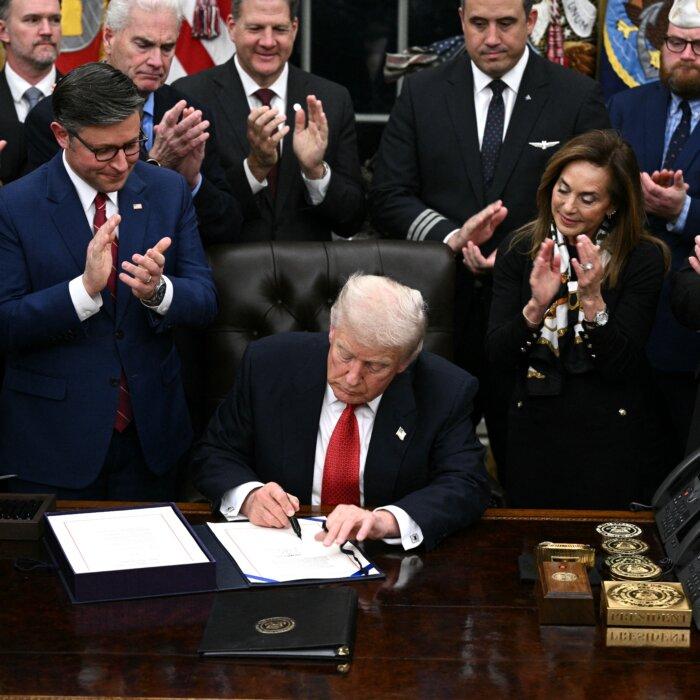
Pennsylvania Gov. Josh Shapiro signed a $50.1 billion budget into law on Nov. 12, after a months-long stalemate between state legislators.
After 134 days of debate between Republicans and Democrats, the 2025-26 General Appropriations Act zoomed through the state House and state Senate in a matter of hours on Wednesday before it landed on the Democratic governor’s desk.
“Everyone was going to have to give a little and understand the perspectives of others a little bit better,” Shapiro said. “We did that here and as a result of our collective work, the good people of Pennsylvania are better off.”
Lt. Gov. Austin Davis urged lawmakers in Washington working to end the government shutdown to “take note” of how Pennsylvania lawmakers worked together to pass a budget.
Lawmakers debated the budget’s price tag for months. Republicans argued that the state’s annual revenues weren’t large enough to cover the annual expenses, as Democrats urged that the increases were necessary.
The Keystone State’s 2026 budget will increase spending by approximately 5 percent, compared with the previous year.
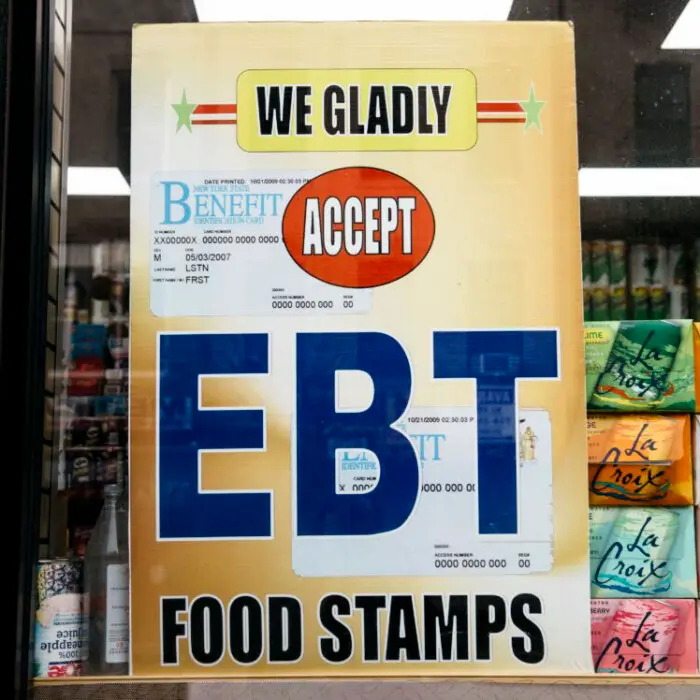
It will lower taxes for businesses, provide a new tax credit for families, invest $800 million in K-12 education, increase $40 million in funds to address food insecurity, and put an end to the state’s participation in the Regional Greenhouse Gas Initiative (RGGI), a climate program aimed at reducing greenhouse gas emissions.
“After years of attacks on and misinformation about RGGI, it has become clear that Republicans were never going to allow that program to proceed, despite every indication that it would have kept costs down while lowering emissions,” state Rep. Dan Frankel, a Democrat, said.
Senate Democratic Appropriations Chairman Vincent Hughes praised what the party was able to keep in the bill, saying it will help “put more dollars in more pockets of the people across the Commonwealth of Pennsylvania” as Americans struggle to afford essentials.
But Republican state Sen. Dawn Keefer, who voted no on the bill, said the legislation will spend $7 billion more than the state will generate in revenue.
“Economics 101: the more [the] government spends, the more inflation rises,” she said at the capital before the vote.
Keefer, who ran a small consulting firm for a decade, added: “It’s Groundhog Day once again in Pennsylvania. Despite losing population and businesses, the general assembly and this governor are about to spend an additional $3.2 billion, or about 5 percent more than last year, for a grand total of $50.1 billion. Never mind that we’re only going to generate $45.4 billion in revenue and we have to return $2 billion of that in refunds.”
Shapiro said the budget leaves the state with $8 billion “in reserves.”