Oreo, Swedish Fish Maker Working to Switch Food Dyes to Natural Colors

Mondelez gave no timeline for the transition. The company follows several others, including Kraft Heinz and Kellog’s, in committing to ditching synthetics.
Oreo, Swedish Fish Maker Working to Switch Food Dyes to Natural Colors
A customer shops for cookies manufactured by Mondelez at a grocery store in Chicago on Dec. 11, 2024. Scott Olson/Getty Images/TNS
Zachary Stieber
Zachary Stieber
Senior Reporter
|Updated:
0:00

The company that makes popular products such as Oreos and Swedish Fish said Sept. 26 it is working to transition from artificial dyes to natural colors.

“For our limited number of products that contain synthetic colors, we are actively working on a transition to natural alternatives in line with changing consumer preferences and to continue to comply with local laws,” a spokesperson for Mondelez, the company, told The Epoch Times in an email.

Mondelez declined to provide a timeline for the transition or identify which natural sources it is considering.

Numerous companies have in recent months committed to replacing synthetic dyes with natural colors, including Kraft Heinz, Danone, and Kellogg’s. Many have provided timelines for the transition.

The Consumer Brands Association, which represents manufacturers, has said synthetic dyes are safe but that it is encouraging manufacturers to remove artificial colors from products by the end of 2027 “to meet consumer demand.”

Federal officials, including Health Secretary Robert F. Kennedy Jr., have been meeting with food and drink manufacturers and encouraging them to change from synthetic dyes to natural ones.
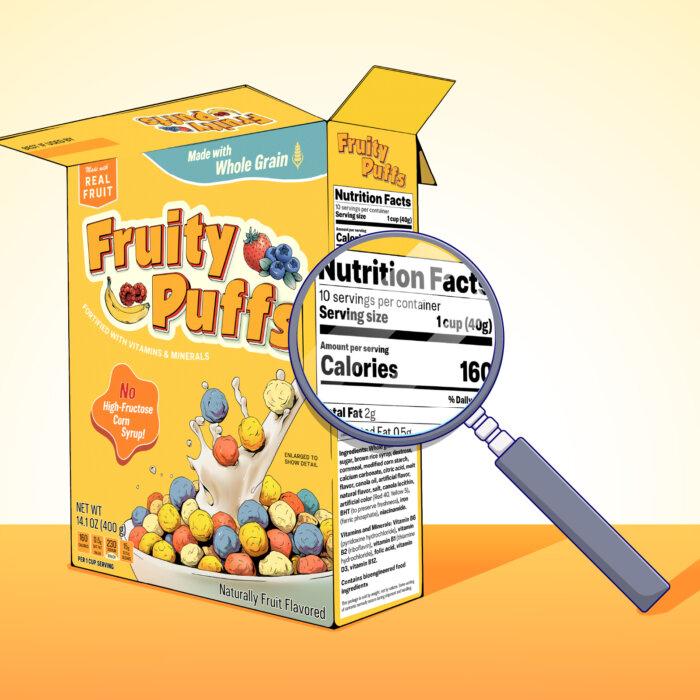

The Food and Drug Administration in April said it was banning two synthetic colors, in addition to one banned by the previous administration. In a formal proposal on Sept. 17 to stop companies from using Orange B, the FDA said revoking the authorization was consistent with Kennedy’s Make America Healthy Again mission.
Six synthetic dyes are still available for companies to use, including Red No. 40, although the FDA recently listed them as chemicals under regulatory review. Kennedy and other officials have said they hope companies will voluntarily remove the remaining dyes.
A number of states, meanwhile, have approved laws limiting or banning products with synthetic dyes. West Virginia’s governor earlier in the year signed a law banning products with the dyes starting Jan. 1, 2028.

“West Virginia ranks at the bottom of many public health metrics, which is why there’s no better place to lead the Make America Healthy Again mission,” West Virginia Gov. Patrick Morrisey, who has appeared with Kennedy on multiple occasions, said at the time.

Mondelez CEO Dirk van de Put said during a conference in February that regulatory changes could require the company to reformulate its products.

“We already have a range of products in Europe,” he said at the time. “At the moment, what I’m hearing is that’s what they’re comparing to. So we think we can adapt our recipes relatively straightforward. It’s work that needs to be done. It’s cost that will come, but I also believe we can work our way through this.”

Google LogoMark Us Preferred on Google
Zachary Stieber
Zachary Stieber
Senior Reporter
Zachary Stieber is a senior reporter for The Epoch Times based in Maryland. He covers U.S. and world news. Contact Zachary at [email protected]
twitter
truth