A new report from the U.S. Centers for Disease Control (CDC) found that fentanyl overdose deaths in Oregon grew by a staggering 1,526% since before the pandemic, eclipsing all other states.
The next highest was Oklahoma, with 954 percent growth.
As of September 2019, Oregon had tallied 77 known fentanyl overdose deaths for the 12 months prior. The drug was blamed for two deaths per 100,000 people in the state.
In the 12-month period prior to September 2023, deaths from the cheap, powerful opioid soared to an estimated 1,268, accounting for 30 deaths per 100,000.
Fentanyl now accounts for the largest number of drug overdose deaths in the state.
But it is not Oregon’s only drug problem.
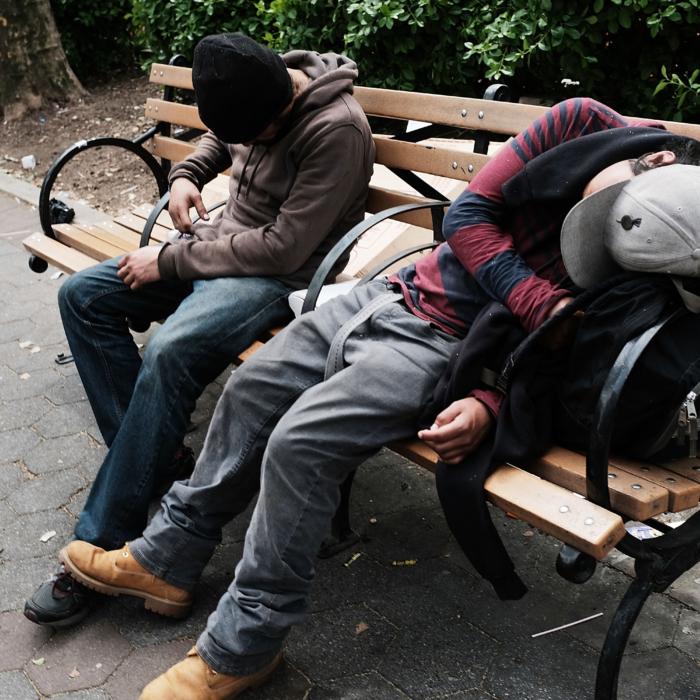
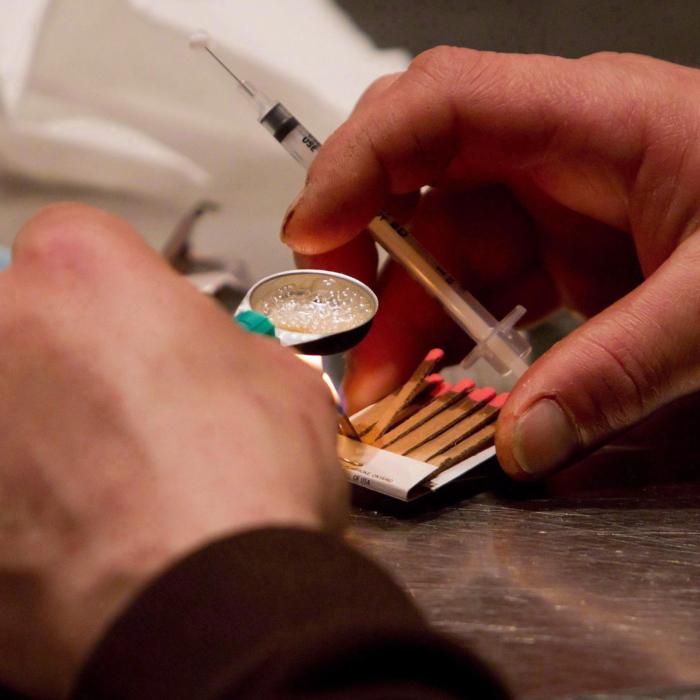
The CDC reports that 74.2 percent of overdose deaths in Oregon involved at least one opioid (most commonly fentanyl) and 65.0 percent involved at least one stimulant, most frequently methamphetamine.
A Failing Measure
Oregon voters approved Measure 110, the “Drug Addiction Treatment and Recovery Act” in November 2020 with 58 percent support. The measure decriminalized user amounts of hard drugs—including fentanyl, cocaine, methamphetamine, and heroin—in favor of addiction treatment options to be funded by the state’s cannabis tax.But treatment was slow to come in the three years after the measure passed.
In the 15 months after the measure took effect, only 119 people called the state’s 24-hour hotline to ask for help. That meant each call to the hotline cost roughly $7,000.
Today, a majority of voters view the law as a failure.
An Emerson College poll of 1,000 registered Oregon voters found that 56 percent support a complete repeal of Measure 110, while 64 percent believe parts should be repealed in order to bring back penalties for possession of small amounts of hard drugs.
A poll by GS Strategy Group shows bipartisan support for recriminalizing drugs, with 59 percent of Democrats, 93 percent of Republicans, and 74 percent of non-affiliated voters in agreement. Oregonians also agree that users who are cited for drug possession should be required to undergo supervised drug treatment (82 percent) rather than treatment being voluntary (11 percent), according to that poll.
“A 1500 percent increase in overdoses is the direct result of Oregon enabling drug use with Measure 110,” wrote Oregon House Republican Leader Jeff Helfrich, a retired Portland Police sergeant, in a press release.
A New Approach
Lawmakers are now considering proposed changes to Measure 110 that would make minor drug possession a crime again, give the accused multiple chances to avoid jail time, and give law enforcement more power to prosecute dealers.
The Democrat proposed House Bill 4002 would create a new type of misdemeanor that includes jail time only if an accused fails to enter treatment.
In a new approach called “deflection,” those found in possession of street drugs would have a chance to seek treatment before arrest. Deflection programs would not be mandated, but counties that chose to offer them would be eligible for millions in state funding.
Those found in possession of minor amounts of drugs like heroin, meth, and fentanyl, could serve jail terms of up to 180 days.
The bill also seeks to strengthen addiction programs throughout the state and increase access to medications that can lessen the symptoms of opioid withdrawal. It would strengthen penalties for drug dealers who operate close to treatment centers, parks, and homeless shelters.
It would weaken the requirement for police officers to help connect people to treatment instead of taking them directly to jail.
Mr. Helfrich said he supports a potential bipartisan agreement to provide better pathways to getting those struggling with addiction off the streets and into treatment as well as to recriminalize drugs.
“Throughout this session, House Republicans have stood strong alongside law enforcement and district attorneys to resolve the Measure 110 crisis,” wrote Mr. Helfrich. “Part of that solution absolutely must include recriminalizing drugs.”
Republicans are reviewing the bill text to ensure that it “achieves our goals of restoring criminal justice accountability and providing support to Oregonians struggling with addiction,” said Mr. Helfrich.
But not everyone is on board.The ACLU of Oregon expressed “serious concerns” about the bill.
“Oregon’s legislative leadership is digging a deep, unconscionable, and costly trench of human suffering by recriminalizing Oregonians experiencing drug addiction,” it wrote in a letter to lawmakers.
“Real solutions to drug addiction are more treatment, housing, prevention education, non-police mobile crisis teams, and community revitalization efforts,” said ACLU Executive Director Sandy Chung.
Any changes to Measure 110 would take effect Sept. 1.