The U.S. Court of Appeals for the Seventh Circuit on Nov. 19 temporarily paused an order that restricts the use of force by federal immigration agents in an illegal immigration crackdown in the Chicago area, calling it “too prescriptive” and “overbroad.”
The federal appeals court also warned against “overreading” its ruling and said a rapid appeal process could result in a “more tailored and appropriate” order.
Department of Justice (DOJ) attorneys had argued that the injunction prevented the government from enforcing U.S. laws and could “subvert” the constitutional structure.
The three-judge panel said in its Nov. 19 stay that the DOJ’s arguments would likely succeed in court.
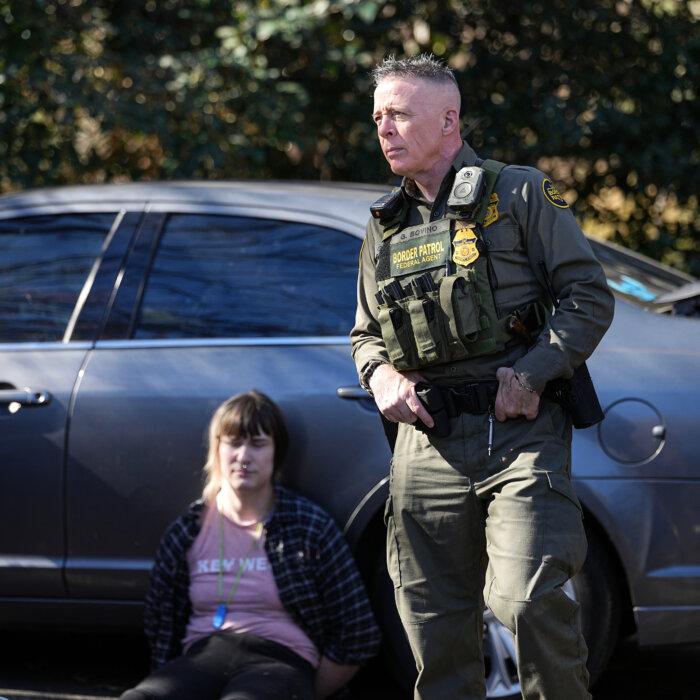
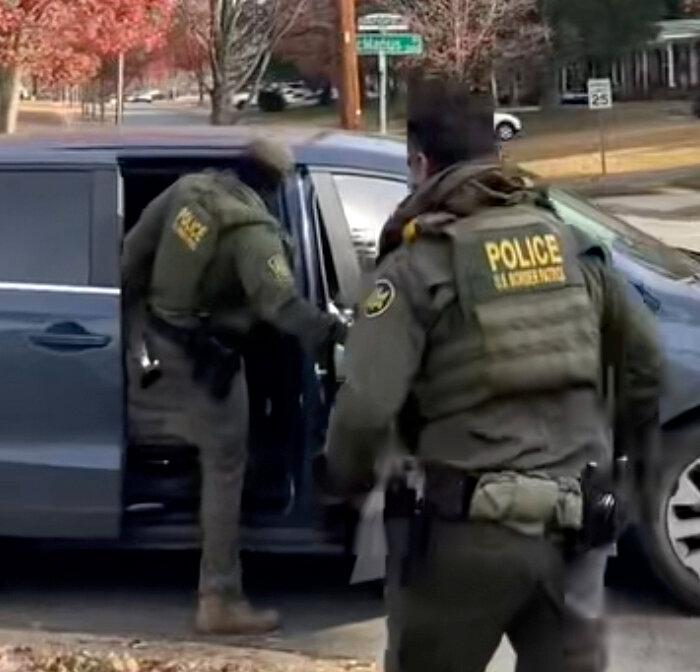
The panel said the “practical effect is to enjoin all law enforcement officers within the Executive Branch” and requires enjoined parties to submit for judicial review “all current and future internal guidance, policies, and directives regarding efforts to implement the order—a mandate impermissibly infringing on principles of separation of powers on this record.”
The district court’s order is “too prescriptive” because it lists and restricts the use of “scores of riot control weapons and other devices” in a manner that resembles federal regulation, the panel stated.
However, in cautioning against overreading its stay, the panel said it has not concluded that preliminary relief for the plaintiffs should not be granted.
“Acting on a very compressed timeline, the district court has developed voluminous and robust factual findings,” the panel wrote. “Those findings may support entry of a more tailored and appropriate preliminary injunction that directly addresses the First and Fourth Amendment claims raised by these plaintiffs.”
Ellis’s order had restricted federal immigration officers from using physical force and chemical agents such as pepper balls and tear gas unless needed or to stop an “immediate threat.” The government’s current practices were violating journalists’ and protesters’ constitutional rights, she said.
The Department of Homeland Security did not respond to a request for comment.
Attorneys for the plaintiffs said they had no comment at this time.