The census data show that the U.S. population continues to age, with the share of the 65-year-plus group steadily increasing from 12.4 percent in 2004 to 18 percent in 2024, while the share of the under-18 population decreased from 25 percent to 21.5 percent during the same period.
From 2023 to 2024, the portion of the population aged 65 and older increased by 3.1 percent, to 61.2 million, while those under the age of 18 decreased by 0.2 percent, to 73.1 million.
“Children still outnumber older adults in the United States, despite a decline in births this decade,” Lauren Bowers, chief of the Census Bureau’s population estimates branch, said in the report.
“However, the gap is narrowing as baby boomers continue to age into their retirement years. In fact, the number of states and counties where older adults outnumber children is on the rise, especially in sparsely populated areas.”
According to the report, from 2020 to 2024, the older population grew by 13 percent, significantly outpacing the 1.4 percent growth of working-age adults (18 to 64), while the number of children declined by 1.7 percent.


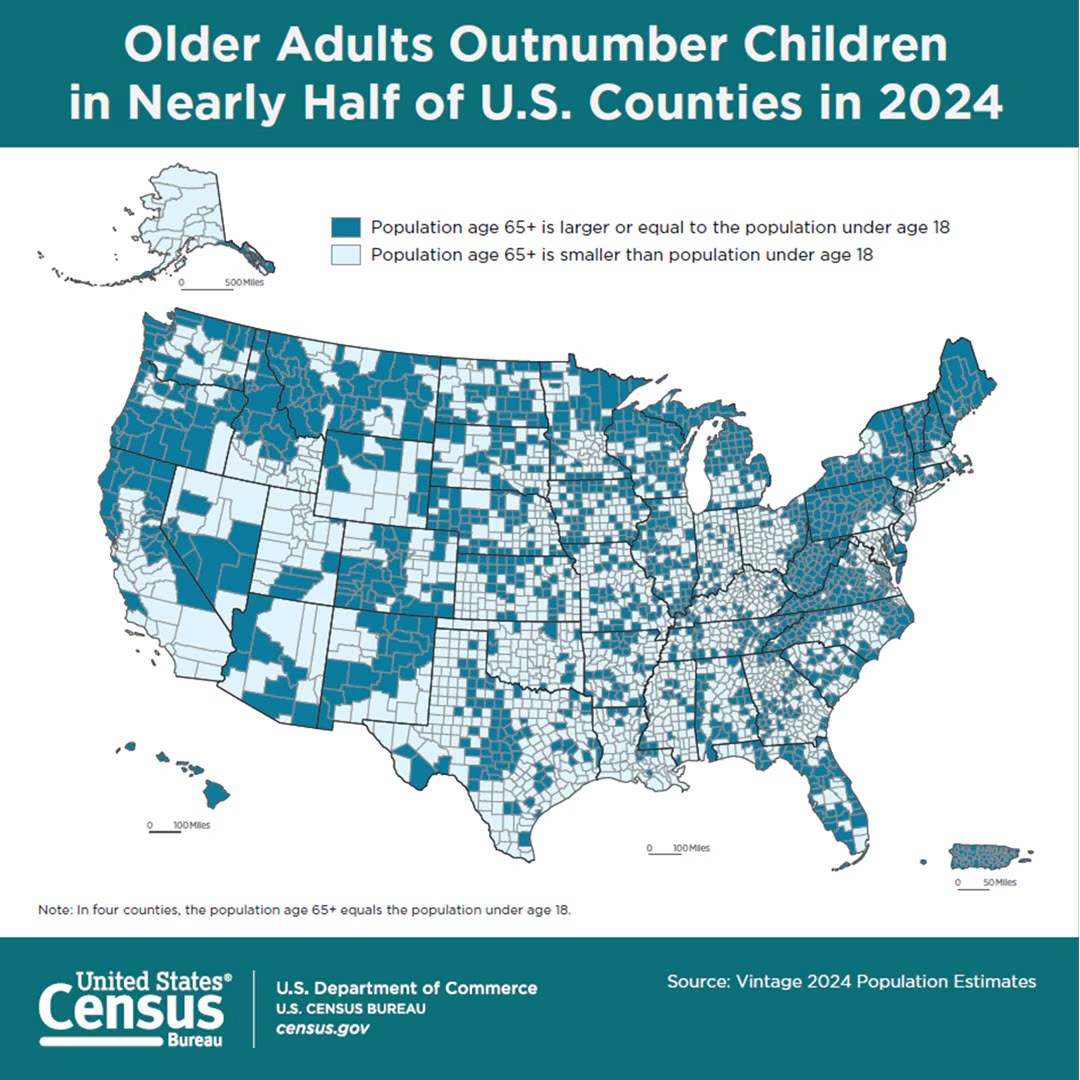
In 2020, the Census Bureau named just three states—Maine, Vermont, and Florida—as ones where older adults outnumbered children. In 2024, the list was expanded to include eight more states with a majority of adults aged 65 and older: Delaware, Hawaii, Montana, New Hampshire, Oregon, Pennsylvania, Rhode Island, and West Virginia.
In addition, the number of U.S. metro areas with a majority of older adults increased from 58 to 112 from 2020 to 2024.
“This represents nearly 30 percent of the nation’s 387 metro areas,” the report states.
In 2024, three metropolitan areas with at least 1 million people—Cleveland; Providence–Warwick, Rhode Island–Massachusetts; and Hartford, Connecticut—recorded more older adults than younger people for the first time ever.
Trend Expected to Continue
Glen Hedrick, financial adviser at Old North State Wealth Management in Wilmington, North Carolina, believes the aging population trend will continue into the 2030s.“This will be a pivotal time for entitlement reform and healthcare infrastructure reform,” Hedrick told The Epoch Times.
“For Social Security, the trend is in the direction of more beneficiaries and fewer contributors.”
He mentioned disparities in states such as Maine and Florida, which he noted may feel even more of a strain.
“As an advisor, I would recommend, based on these findings, to not depend solely on entitlements,” he said.
“Build a diversified income stream, maybe even delaying Social Security as people live longer to maximize benefits.”
The Census Bureau also reported that the U.S. median age reached a new record high of 39.1 years in 2024, up from 38.5 in 2020. Regionally, the Northeast had the highest median age at 40.6, with Maine having the oldest median population in the nation at 44.8.
Birth Rates Declining Since 1990
According to a recent Statista report, the U.S. birth rate has been declining steadily since 1990. In 2023, there were 10.7 births per 1,000 in the population, compared with 16.7 births per 1,000 in 1990.The research also shows that the fertility rate among women of childbearing age dropped to 1.62 in 2023, the lowest rate ever recorded.
“The reasons behind the declining birth and fertility rates in the U.S. are complex but include personal factors such as changing priorities among women and the high cost of living, including student loan debt, housing costs, and the cost of child care,” the report states.
Aaron Cirksena, founder and CEO of MDRN Capital based in Annapolis, Maryland, told The Epoch Times that the rising age of the population is a concern for the entire nation.
“The country as a whole is getting older, while the younger population is decreasing. That’s going to put an extra strain not only on Social Security, but Medicare, and filling jobs for the future,” he said.
Cirksena noted that as this imbalance grows, there will be many fewer people in the workforce paying taxes.
“There [are] only so many ways you can get tax revenues out of retirees on a fixed income, so this shrinking base of taxpayers means there are less people supporting the older population,” he said.
In the long term, he noted, the United States could experience slower economic growth.
“There could be a problem filling vacant jobs and then there’s the question of what will happen when the next generation begins to retire,” he said.
“Still, changing the country’s demographics is not something you can easily turn around in just a couple of years,” Cirksena noted.
He believes the full retirement age will be extended from the current 67 in the near future.
“People are living longer and in order to keep the system going, they’ll probably have to work longer as well,” Cirksena said.