Former President Barack Obama urges Democrats to favor pragmatism over purity tests, saying democratic politics requires “an acceptance of partial victory” and that “better is good.”
“You can’t just be a scold all the time,” he stated, adding that some progressive language became “almost asserting [a] holier than thou superiority that’s not that different from what we used to joke about coming from, you know, the right and the moral majority.”
He argued for incremental gains over all-or-nothing demands—particularly stressing this to younger members of the party.
“Part of what a liberal democracy requires is an acceptance of partial victory, right? And not perfection,” he said.
Describing how he weighed policy choices in the White House, Obama said he focused on measurable improvement.
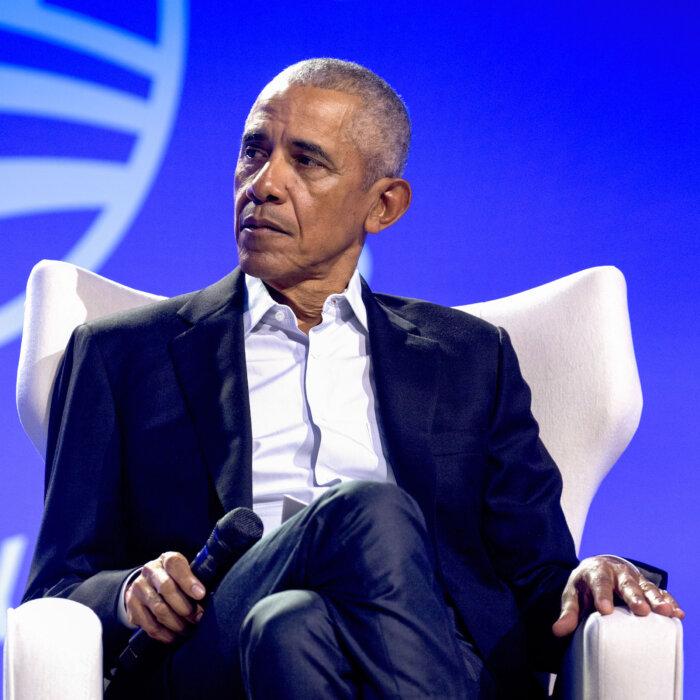
“I’d sit around on any issue with my cabinet or my staff, senior staff, and we’d go around analyzing everything,“ he stated. ”And at some point, I’d say: ‘All right, I think I’ve got all the information. If we do X, is this going to make things better?’ ... I’d tell them better is good. We’re not going to get to perfect, right?”
Obama pointed to the passing of the Affordable Care Act, saying that if he thought a single-payer plan with universal health care could get enough votes to pass, he would have preferred it, but the ACA was better than getting nothing.
He warned that all-or-nothing politics can fuel withdrawal.
“We decided, all right, if I’m not going to get everything, then that justifies doing nothing,” he said.
Obama stated it was also important to be clear about what one believes and to be open to debating those beliefs.
“Know what you really believe— like that’s your starting point,” he said. “If you understand your convictions, you got a moral compass, you got a code, you’ve spent time wrestling with what it is that you care about and what you believe, then it’s a lot easier now to be open and actually listen to other people, as opposed to constantly trying to beat off anybody who might contradict your current perspective.”
He added, “It does require a certain confidence in your actual convictions to debate and have a conversation with somebody who disagrees with you on a whole bunch of stuff.”
He also said convictions should carry real costs. “If convictions don’t cost anything, then they’re really just kind of fashion. They’re not really conviction.”
Obama, 64, said he believed his generation had grown accustomed to incremental change in society but had never really been “tested” as people are now.
“If you decide not to vote, that’s a consequence,” he said. “If you are a Hispanic man and you’re frustrated about inflation, and so you decided, ‘Ah, you know what, all that rhetoric about [President Donald] Trump doesn’t matter. I’m just mad about inflation.’ And now, you know, your sons are being stopped in LA because they look Latino … well … that’s a test.”
He added, “There’s some clarity that’s coming about right now,” and the tests are shaking people “out of [their] complacency.”
Obama urged continued engagement despite frustration, including among young voters.
“Part of what a liberal democracy requires is an acceptance of partial victory,” he said, recounting a conversation with his daughter about climate-related policy and saying that smaller gains can still affect “a billion people’s lives.”