The New York Times on July 15 asked a court to toss out grand jury subpoenas of three of its reporters who published a story about the new Air Force One plane that Qatar gifted to President Donald Trump.
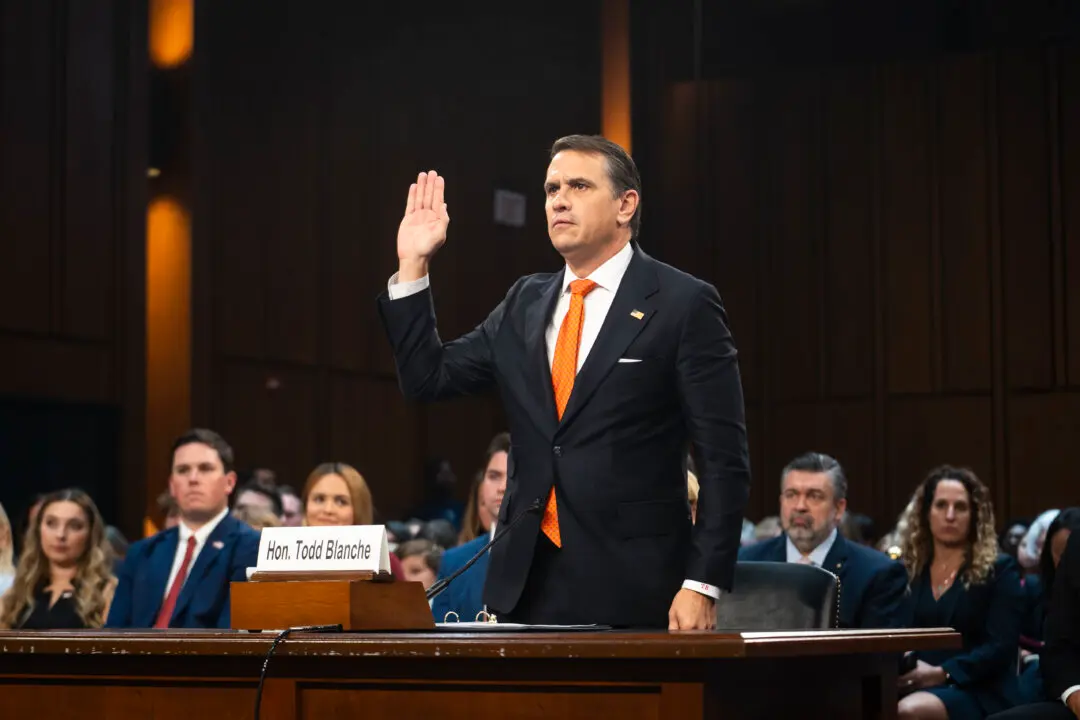
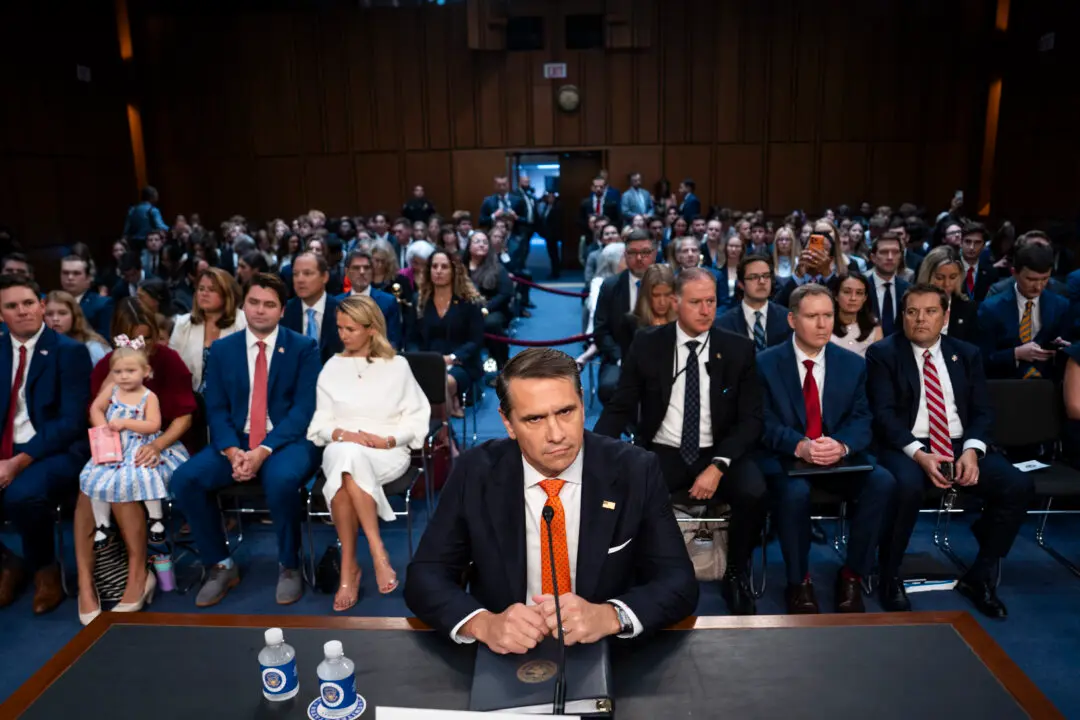
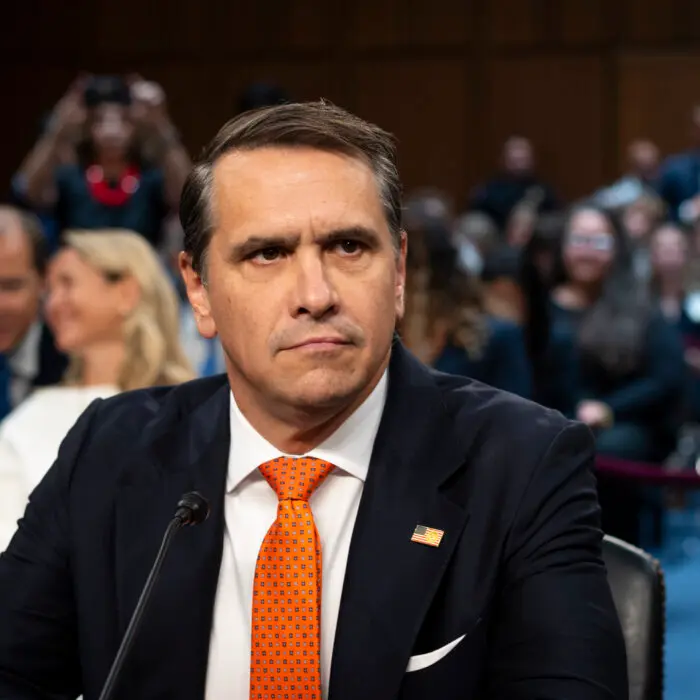
Acting Attorney General Todd Blanche, during his Senate confirmation hearing on Wednesday, said the subpoenas were issued to find out who leaked information to the NY Times. Justice Department rules required him to authorize the subpoenas.
“We’re not targeting reporters,” Blanche told Sen. Peter Welch (D-Vt.), later adding, “The question we want to ask them is who provided them with classified national security information.”
David McCraw, senior vice president and deputy general counsel of The NY Times, said the subpoenas were “brought in bad faith to punish The Times for its coverage."
“We are going to court to defend our journalists’ rights to report freely on the administration and to provide the public with stories that matter,” McCraw said.
Motions to quash a subpoena are usually sealed. McCraw has asked the court to make the contents of his motion public, arguing that people have a right to know about the case.
Like Blanche, Clayton is under congressional scrutiny this week as he looks to the Senate to confirm him as Director of National Intelligence. He hopes to replace Bill Pulte, who is filling in for Tulsi Gabbard. She stepped down from the role earlier this year to be with her husband, who she revealed has cancer.
Clayton told Sen. Ron Wyden (D-Ore.) that he did not want to publicly go into details about the subpoenas—or who asked that they be issued.
But he said that he was “absolutely committed to” respect for the First Amendment and journalists. He added that he and his team “followed the processes that we’re required to follow.”
First Amendment advocacy groups like the National Press Club have asked the Justice Department to withdraw the subpoenas.
“A free and independent press serves the people, not the government,” the organization’s president, Mark Schoeff Jr., said in a statement.
“The greatest danger isn’t the subpoena itself. It’s the message it sends. It tells sources to stay silent. It tells whistleblowers to think twice.”
Days after subpoenas were issued to the New York Times journalists, War Secretary Pete Hegseth announced on July 13 that the War Department and the Department of Justice launched a joint task force to investigate and prosecute anyone involved in leaking sensitive information to the media.
“Access to confidential and secret information is a sacred trust,” Hegseth said in a video posted on X. “And those who betray that trust will be met with the full force of the law.”
Hegseth did not mention the past week’s incident but spoke in general about threats that leaks pose to national security and the U.S. military.
“The unauthorized disclosure of War Department information has the very real potential to cause exceptionally grave damage to our national security and the operational integrity of our armed forces,” Hegseth said.