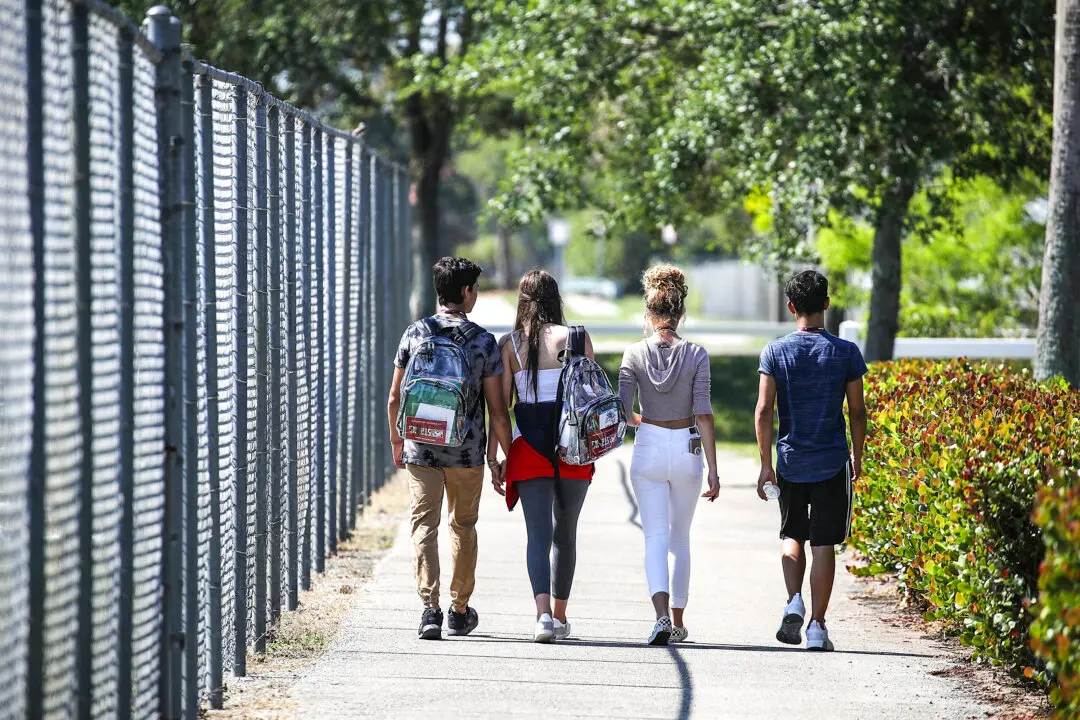
During the study period from 2000 to 2023, there were more than 1.5 million substance exposure incidents among children. The majority of exposures involved boys, involved a single substance, and happened in private residences.
Intentional exposures, including self-harm and suicide, accounted for more than 10 percent of exposures in the study and were found to increase with age. These types of exposures were higher, above 82 percent, among girls.
The annual rate of all exposures linked to suspected self-harm or suicide among 6- to 12-year-olds reported to U.S. poison centers registered a 311.3 percent increase during the duration of the study, 2000 to 2023. The highest increase was shown among 11-year-olds, at almost 400 percent.
The research concluded that research and interventions were required to prevent such dangerous exposure to common medications in the home among children, especially those in the most vulnerable category.
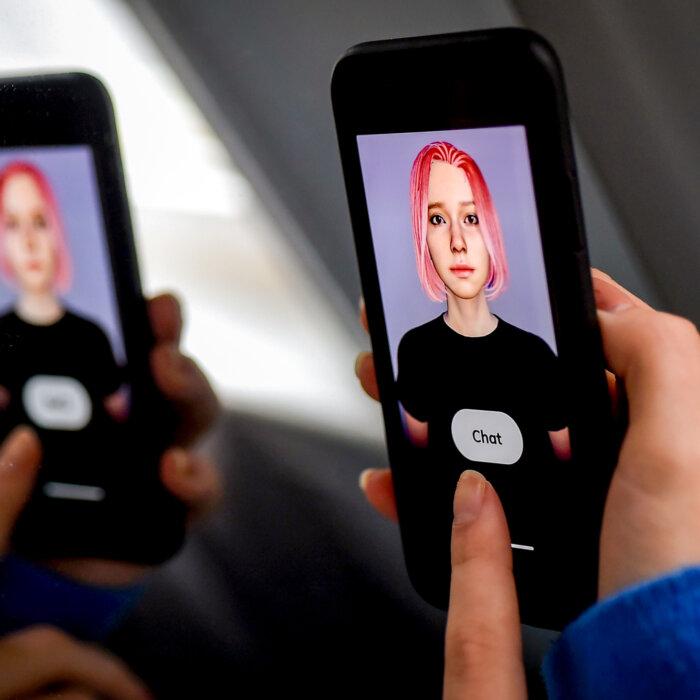

Suicide Among US Children
According to an Aug. 20 post by the Children’s Hospital Association, data from its pediatric health information system show that suicide attempts or ideation and self-injury have become common mental health conditions at emergency departments in children’s hospitals.“Between 2016 and 2021, suicide self-injury cases among patients ages 5–18 seen at children’s hospital emergency departments increased by 168.6 percent,“ the post reads. ”The trend in cases has remained essentially unchanged for the past four years, meaning the crisis is not abating.”
Roughly one-fifth of all adolescent deaths can be attributed to suicides, the association said, noting that self-injury from suicide attempts was the reason for more than one-third of the visits to emergency rooms at children’s hospitals in 2024.
“Not only have the numbers increased, but we are also seeing worse acuity—children don’t get to us until their illness is more advanced, such as having persistent suicidal ideation instead of initially fleeting thoughts,” said Heather Huszti, chief of psychology at Children’s Hospital of Orange County.
Moreover, 16 percent of students also made a suicide plan and 9 percent attempted to commit suicide one or more times, according to the report.
The agency advised calling the 988 Suicide and Crisis Lifeline in case an individual is experiencing mental distress. Alternatively, people can chat at 988lifeline.org.
“The good news is that suicide is preventable,“ the agency said. ”Preventing suicide requires strategies at all levels of society. This includes prevention and protective strategies for individuals, families, and communities. Everyone can help prevent suicide by learning the warning signs, promoting prevention and resilience, and committing to social change.”