The U.S. Senate failed to reach a consensus on Oct. 28 to advance a bill that would make Daylight Saving Time permanent, once again stalling the bipartisan effort to end the practice of resetting clocks twice a year.
As Florida’s governor at the time, Scott signed legislation in 2018 to end clock switching across the Sunshine State, pending approval at the federal level.

Not all senators were convinced. Sen. Tom Cotton (R-Ark.) voiced his opposition, blocking Scott’s request to advance the bill by unanimous consent.
“If permanent [Daylight Saving Time] becomes the law of the land, it will again make winter a dark and abysmal time for millions of Americans,” Cotton said.
“For many Arkansans, permanent [Daylight Saving Time] would mean the sun wouldn’t rise until after 8:00 a.m. or even 8:30 a.m. during the dead of winter. The darkness of permanent savings time would be especially harmful for schoolchildren and working Americans.”
Among supporters of the move to end clock switching, there is debate about how to do it, whether by adopting permanent Daylight Saving Time, which creates later evenings but darker mornings, or permanent Standard Time, which does the opposite.
Scott’s proposal opts for the first option but would allow individual states to decide which time to remain on. That flexibility has raised concerns that it could create a confusing patchwork of time zones across the country.
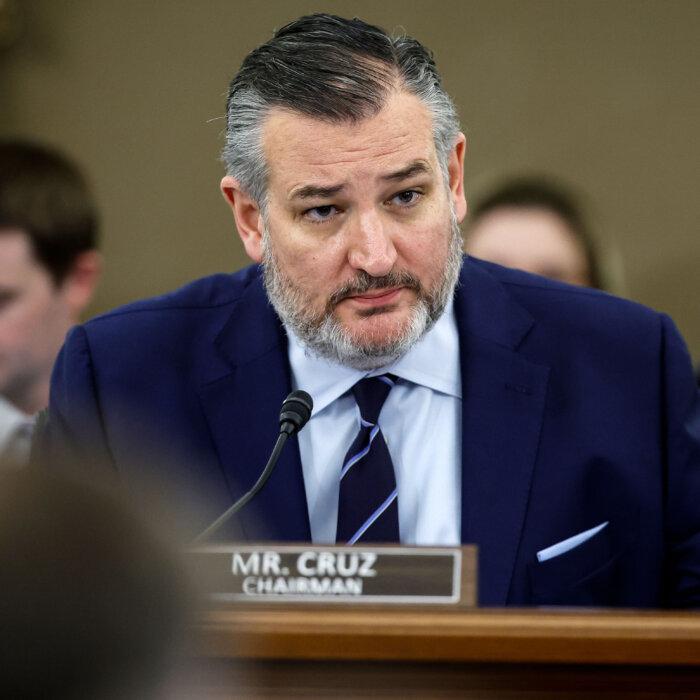
Sen. Ted Cruz (R-Texas), chair of the Senate Committee on Commerce, Science, and Transportation, acknowledged these concerns during an April hearing on the merits of doing away with the biannual changing of the clocks.
“There are very real and complicated issues and countervailing arguments on both sides,” Cruz told the panel. “I think there is widespread agreement on locking the clock, but where to lock it?”