Newark Liberty International Airport is stabilizing after weeks of chaos, thanks to strict limits on the number of flights allowed to take off and land each hour, Transportation Secretary Sean Duffy said on May 28.
He said that these issues forced the FAA to limit Newark’s operations to 28 arrivals and 28 departures per hour until runway construction is largely complete in mid-June. Under normal circumstances, Newark can handle up to 77 combined flights per hour.
“When the new runway comes online, June 15th, we’re going to bump that from 28 to 34,” he said.
Newark, located about nine miles from Manhattan, is the 12th busiest airport in the United States and a major hub for United Airlines, which operates nearly 70 percent of the airport’s flights.
Since April, the airport has faced repeated equipment outages, runway construction, and air traffic control staffing shortages, leading to widespread delays and cancellations that rippled across the nation’s air travel network.
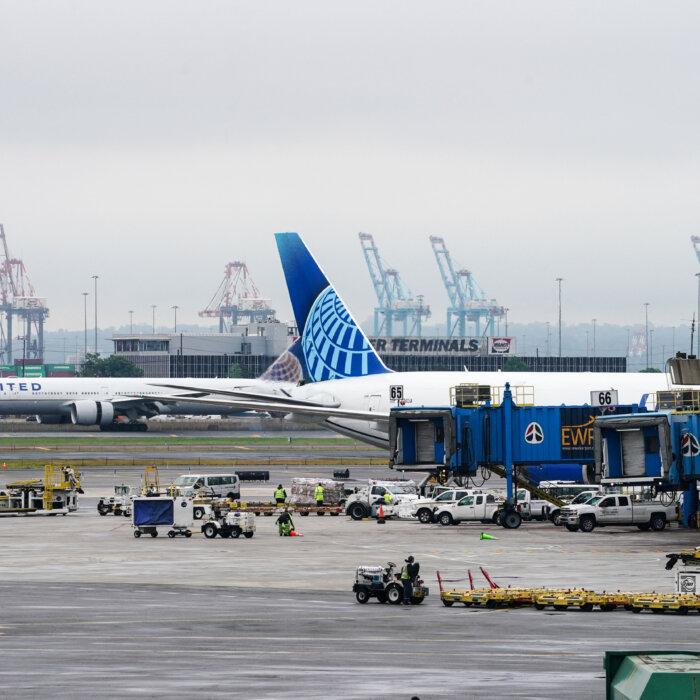
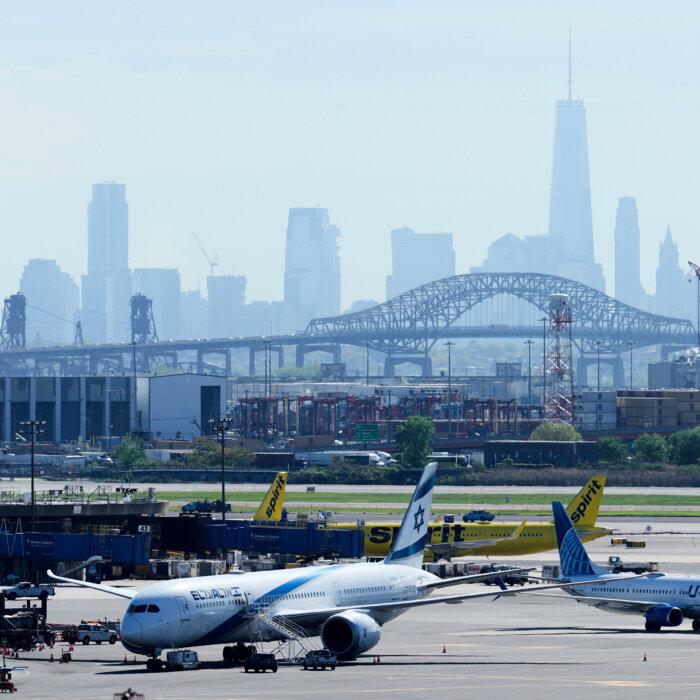
According to Duffy, the airport’s troubles stemmed from a combination of factors.
“One, we have a runway that’s under construction. Two, we’ve had a telecom issue. And three, we have a staffing issue with air traffic controllers,” Duffy said.
The transportation secretary said that another evaluation will be conducted in October, when more air traffic controllers are expected to complete their training and become certified to handle Newark’s airspace.
Duffy said that the 16 currently in training are at the Philadelphia TRACON facility, which now oversees Newark’s airspace after the FAA relocated control from the New York area in 2024 to address congestion and staffing shortages.
The facility in Philadelphia has experienced its own set of technology issues, but officials hope that recent upgrades and the installation of new fiber optic lines will improve reliability.
“Verizon has laid a brand new fiber line between Philadelphia and New York. That was the troubled portion of the line that’s been laid,” Duffy said at the media event. He noted that further testing is needed, but if all goes well, the new line could be in use by early July.
Duffy said that the current situation is a direct result of previous decisions.
“We’re dealing with the reality of Newark, the reality that the last administration moved the Newark airspace from N90 down to the Philly TRACON, and these lines were not built, they didn’t use fiber,“ he said. ”And now we’re dealing with that today in real time.”
The FAA has also issued a software update to address a communications glitch and is working to make its telecommunications lines more resilient to technology failures, he said.
Duffy expressed cautious optimism about the airport’s future operations and offered some assurances to passengers concerned about cancellations or delays of Newark flights.
“If you book [a Newark flight], I think you’re going to fly in Newark—you’re not going to see what you saw a couple of weeks ago,” he said. “If you book at Newark, you’re most likely going to fly at Newark. Because we’ve slowed down, the number of departures an hour is now a number that is manageable.”
Duffy reiterated calls for Congress to provide tens of billions of dollars to build a new air traffic control system.
“I am concerned we could have more Newarks,” he said.