The New York Times filed a motion on March 24 seeking to compel the Pentagon to comply with a court order that has triggered changes to its media access policy.
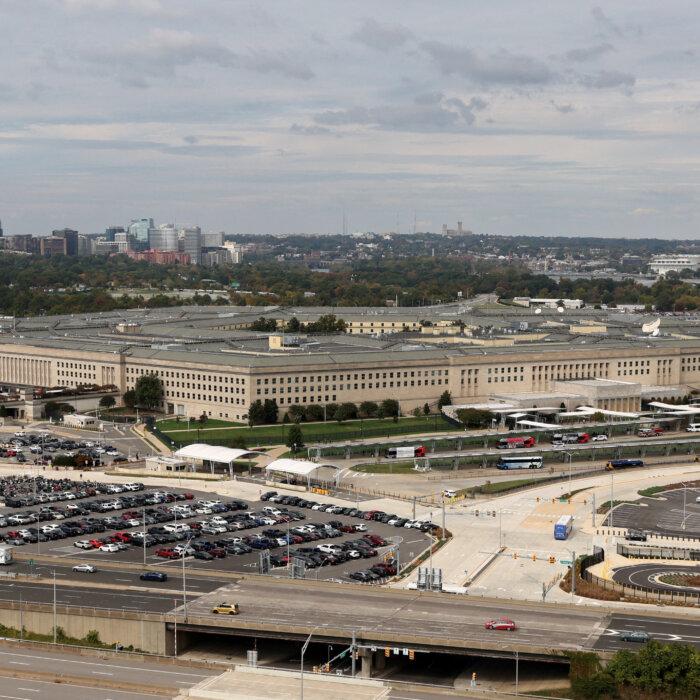
Under the revised policy, the Pentagon will close the correspondents’ corridor and set up a new workspace for reporters in an “annex facility” on Pentagon grounds, outside the building. It also requires reporters to be escorted by authorized personnel when accessing the building.
“Among other things, for the first time in history, the interim policy bars reporters with press passes from entering the building without an escort, sets up unprecedented rules governing when a reporter can offer anonymity to a source, and leaves in place provisions that this court’s order struck,” the publication stated.
The publication alleges that the Pentagon’s revised policy still contains restrictions that threaten to revoke or deny press credentials if a reporter tries to solicit any unauthorized information.

“The department makes a half-hearted attempt to disguise this unconstitutional limitation on core newsgathering by providing that the revocation, denial, or non-renewal of a PFAC [Pentagon Facilities Alternate Credential] will follow only from the intentional solicitation of non-public information, not the accidental solicitation of such information,” the publication stated in the motion.
“But that is an illusory limit at best, particularly because the interim policy states that solicitation of non-public information will be treated as presumptively intentional whenever the source’s identity is kept anonymous or the reporter offers ‘privacy protection.’”
The Pentagon did not immediately respond to a request for comment.
Under the previous policy, media credentials could be revoked for those deemed a security risk, while soliciting non-public information from department personnel or encouraging employees to break the law was deemed to fall outside the “scope of protected newsgathering activities.”
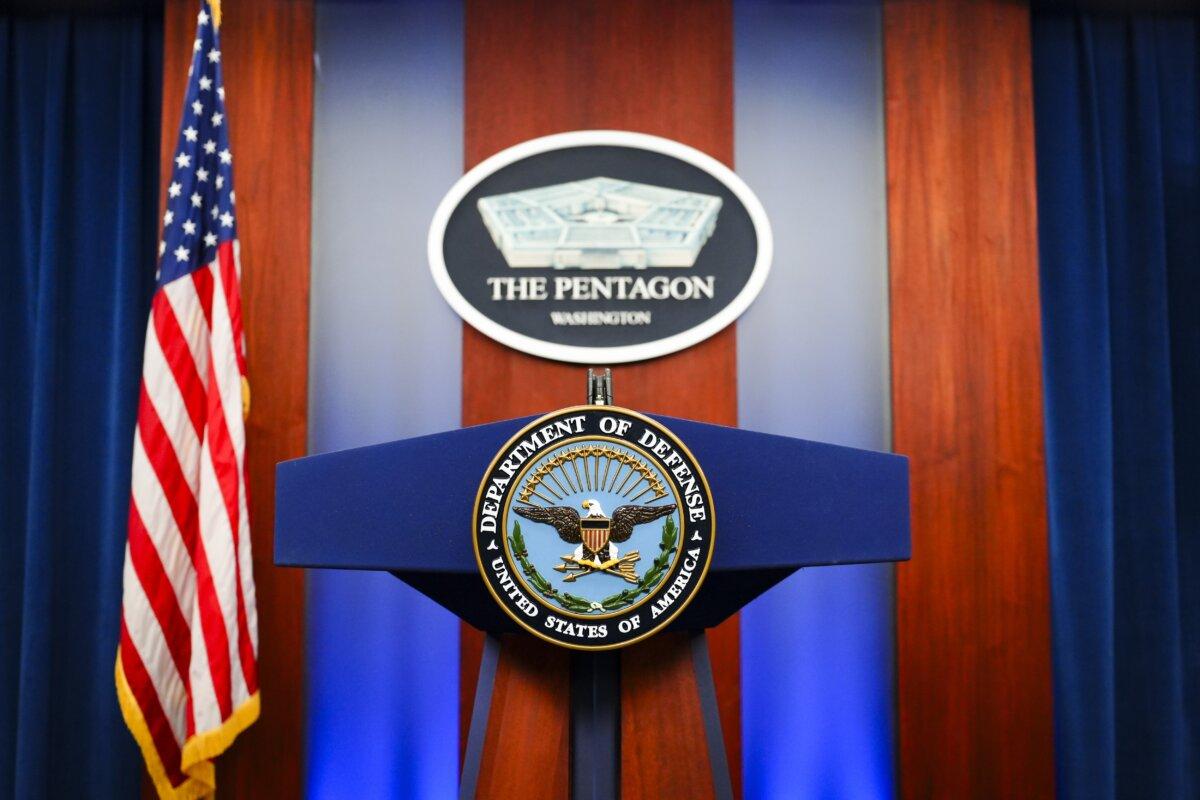
Most members of the Pentagon press corps have refused to sign an acknowledgment of the previous policy, resulting in the revocation of their press passes. The Epoch Times agreed to the government’s policy.
The New York Times challenged the rules in December, and Friedman later issued a permanent injunction blocking their enforcement and ordering the Pentagon to reinstate the credentials of several reporters.
Pentagon spokesman Sean Parnell said on March 23 that the department will appeal the court’s decision.
Parnell said the revised policy reflects the Pentagon’s commitment to ensuring transparency, working with credentialed reporters, and safeguarding the Pentagon and its personnel.
He noted that Friedman’s order removed provisions that allowed the Pentagon to screen press credential holders for security risks and to deny, revoke, or suspend press credentials on security grounds.
“The Department always complies with court orders but disagrees with the decision and is pursuing an appeal,” Parnell said in a post on X.
Seth Stern, chief of advocacy at Freedom of the Press Foundation, said in a March 24 statement that he supports The New York Times’ move to ensure the enforcement of Friedman’s order.
“The revised policy is not a good faith effort to comply with Judge Friedman’s order,” Stern said.