
The New York Department of Health on Oct. 14 confirmed the state’s first locally acquired case of the chikungunya virus, involving a resident in Long Island with no history of travel to other countries.
The person, identified as a Nassau County resident on Long Island, developed symptoms of the mosquito-borne virus in August after traveling outside the region, according to the county’s health department.
It remains unclear how the person contracted the virus, but the state health department said it was most likely transmitted through the bite of an infected mosquito.
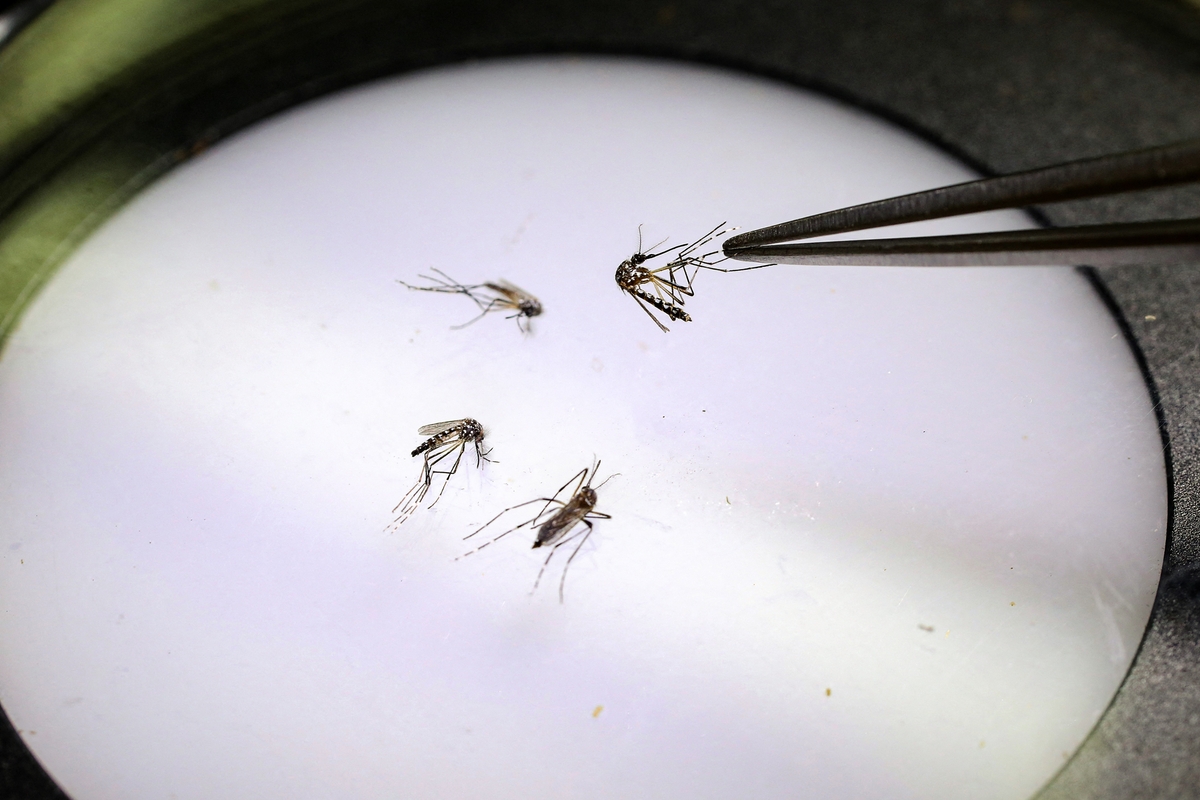
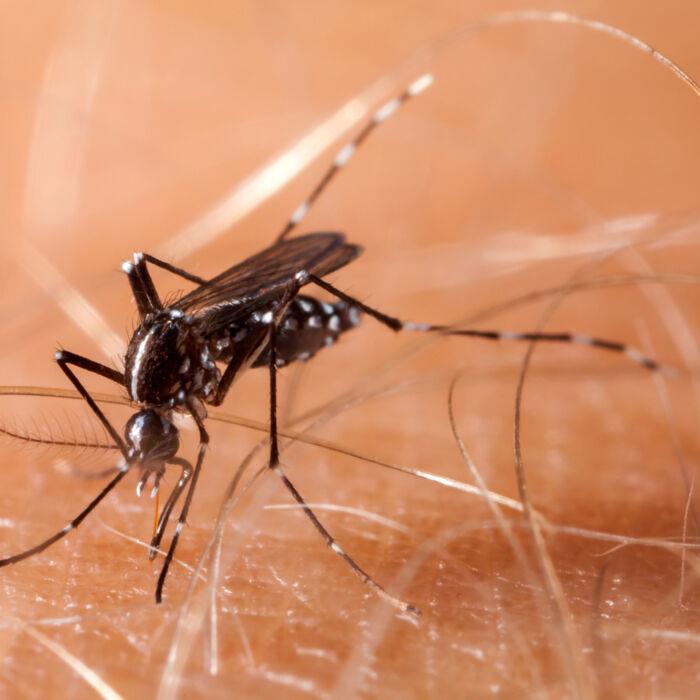
The Aedes albopictus mosquito, which can transmit the virus, is present in parts of downstate New York, according to the department. It stated that the virus can spread locally when a mosquito bites an infected traveler and then bites someone else.
However, the department stated that routine mosquito testing has so far detected no presence of the virus in local mosquito samples.
State Health Commissioner James McDonald noted that the risk of transmission to the public remains low, as mosquitoes are less active during the cooler nighttime temperatures.
“Our Wadsworth Center has confirmed this test result, which is the first known case of locally acquired Chikungunya in New York State,” McDonald said, urging people to take precautions to avoid mosquito bites.
There were three additional chikungunya cases reported outside New York City this year, all of which were associated with international travel to regions with active infections of the virus, the department stated.
“Some WHO Regions are experiencing significant increases in case numbers compared to 2024, although others are currently reporting lower case numbers,” the agency stated.
The WHO said it would be difficult to characterize the situation as a global rise given the “uneven distribution of cases across regions,” but it warned that “the potential for further spread remains significant.”
According to the agency, the Americas region reported the highest number of viral cases, followed by the European region, which comprises “cases reported predominantly from French Overseas Departments in the Indian Ocean.”