North Dakota-based Power Plate Meals is recalling roughly 5,795 pounds of frozen meatloaf products from three states, citing misbranding and the presence of an undeclared allergen.
“The product contains soy, a known allergen, which is not declared on the product label,” the Food Safety and Inspection Service (FSIS) said in a June 18 statement.
The recall is applicable to 13.3-ounce vacuum-sealed plastic tray packages of “Power Plate Meals Meatloaf With Garlic Mashed Potatoes” with “Use By” dates between June 25, 2026, and June 10, 2027. The products were shipped to distributors in North Dakota, South Dakota, and Minnesota.
“The problem was discovered when a state inspector notified FSIS that the final label did not include soy in the ingredients list,“ the FSIS stated. ”There have been no confirmed reports of adverse reactions due to consumption of these products. Anyone concerned about a reaction should contact a healthcare provider.”
The recall has been classified with a “Low-Class II” designation, the second among the three recall designations from the Department of Agriculture.
Such a designation is issued when there is a health hazard situation with a “remote probability of adverse health consequences” for users of the product.

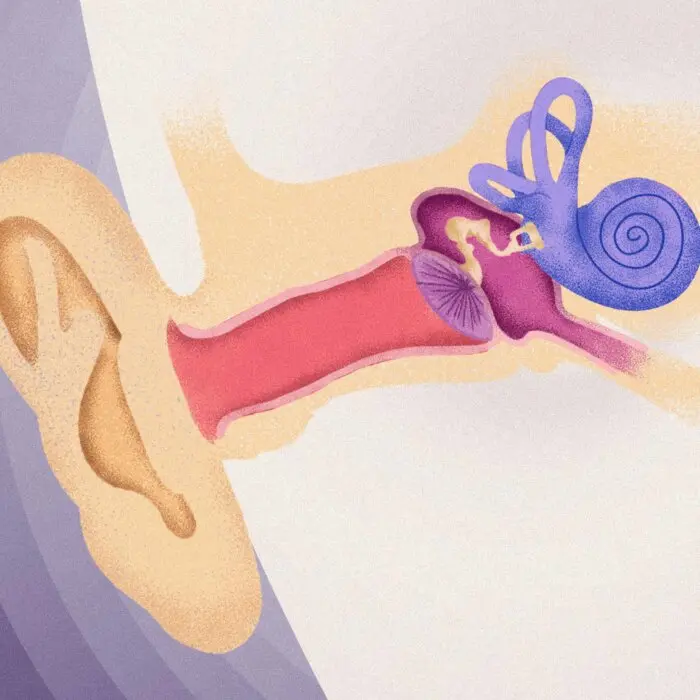
According to a 2019 post by the American College of Allergy, Asthma and Immunology, symptoms of soy allergy include vomiting, stomach cramps, wheezing, indigestion, diarrhea, repetitive cough, and difficulty in breathing.
Affected individuals may also experience tightness in the throat, weak pulse, swelling, dizziness, confusion, and hives.
On rare occasions, soy allergies can trigger a life-threatening reaction that impedes breathing. This can cause the blood pressure to rapidly drop, with the person’s body going into shock.
In its statement, FSIS said the recalled products contain the establishment number “217SEND” within the USDA mark of inspection.
The agency stated that it was “concerned that some product may be in consumers’ freezers.”
“Consumers who have purchased these products are urged not to consume them,” the FSIS stated. “These products should be thrown away or returned to the place of purchase.”
The Epoch Times reached out to Power Plate Meals for comment but did not receive a response by publication time.
According to a post by the nonprofit group Food Allergy Research and Education, preventing a soy allergic reaction requires a person to avoid not only soy but also all products that contain it. While soy alone is not a common food in the United States, the item is used in many food products.
Food items that can contain soy include baked goods, cookies, crackers, cereals, canned tuna and meat, infant formulas, dairy products, canned broth, pet food, sausages, sauces, and processed meats.
“Soy allergy is more common in infants and young children than in older children and approximately 0.4% of infants in the U.S. have soy allergy,“ Food Allergy Research & Education stated. ”Most children eventually outgrow their allergy to soy, although some individuals remain allergic to soy throughout their lives.
“When a person with a soy allergy is exposed to soy, proteins in the soy bind to specific IgE antibodies made by the person’s immune system. This triggers the person’s immune defenses, leading to reaction symptoms that can be mild or very severe.”
According to a March 11 update by the Food and Drug Administration, soy is one of nine major food allergens identified by law in the United States, with others being milk, fish, eggs, tree nuts, wheat, peanuts, sesame, and crustacean shellfish.
The agency recommended that people with food allergies read the labels of food products before purchase.
“The law requires that food labels identify the food source of all major food allergens used to make the food,” it stated.
Symptoms of food allergies tend to appear within a few minutes or hours after consumption. Individuals with a known food allergy who experience allergic symptoms while eating should immediately stop consuming the item and evaluate whether they need to use emergency medication.