More than 200 individuals have filed paperwork to run for president in 2028, even as Democrats begin internal debates over which states will lead their nominating contests.
Although hundreds typically register, only a small number mount serious campaigns. Most of those registered in the 2028 cycle are little-known figures. No nationally prominent politicians have yet declared.
With 1,167 days until voters head to the polls, the swelling 2028 candidate list shows the contest is already shaping up.
The Republican Party accounts for the largest bloc, with 62 registered candidates. The roster is entirely composed of little-known individuals, though the volume of filings highlights early GOP energy ahead of the primaries.
The Democratic Party has 49 candidates on the books. The list consists of long-shot or unknown figures, with no prominent Democrats having registered. While the roster lacks familiar names, the party is preparing to set the ground rules for its 2028 primary schedule.
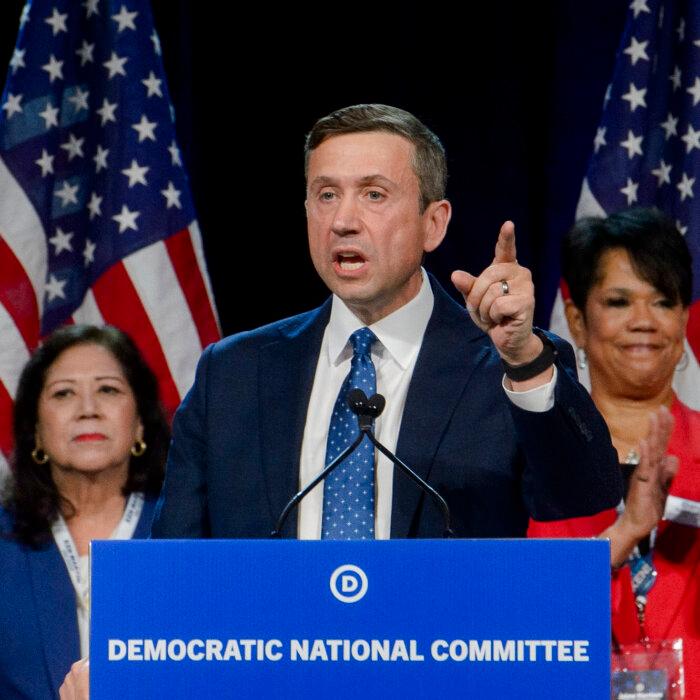
“We’re planning for meetings throughout the fall and winter and through the spring to make sure that we have a rigorous, effective and fair calendar process,” DNC Chair Ken Martin said. “We need this process to give us the strongest possible candidate, a candidate that’s battle-tested to win and ready to lead America forward.”
Which states will kick off the Democratic nominating process in 2028 has not yet been decided. The committee will meet through the fall and into 2026 to determine which states hold early contests.
Republicans, by contrast, have kept their traditional calendar intact. Under party rules, the Iowa caucuses and the New Hampshire primary remain the opening contests for 2028, preserving the longstanding sequence that has shaped Republican presidential races for decades.
Beyond the two major parties, 100 candidates have filed as unaffiliated, write-ins, or with smaller groups. These include the Ace Party (2), Libertarian Party (3), American Independent Party (4), and single entrants from parties such as the Progressive, Constitution, and One Earth parties. Another 40 list themselves as Independent.
Trump said on Truth Social the move would highlight “historic wins” and contrast Republican policies with what he called Democratic “mistakes.” An RNC spokeswoman described the proposal as an “innovative” idea to energize the GOP, though full conventions are typically reserved for presidential election years.