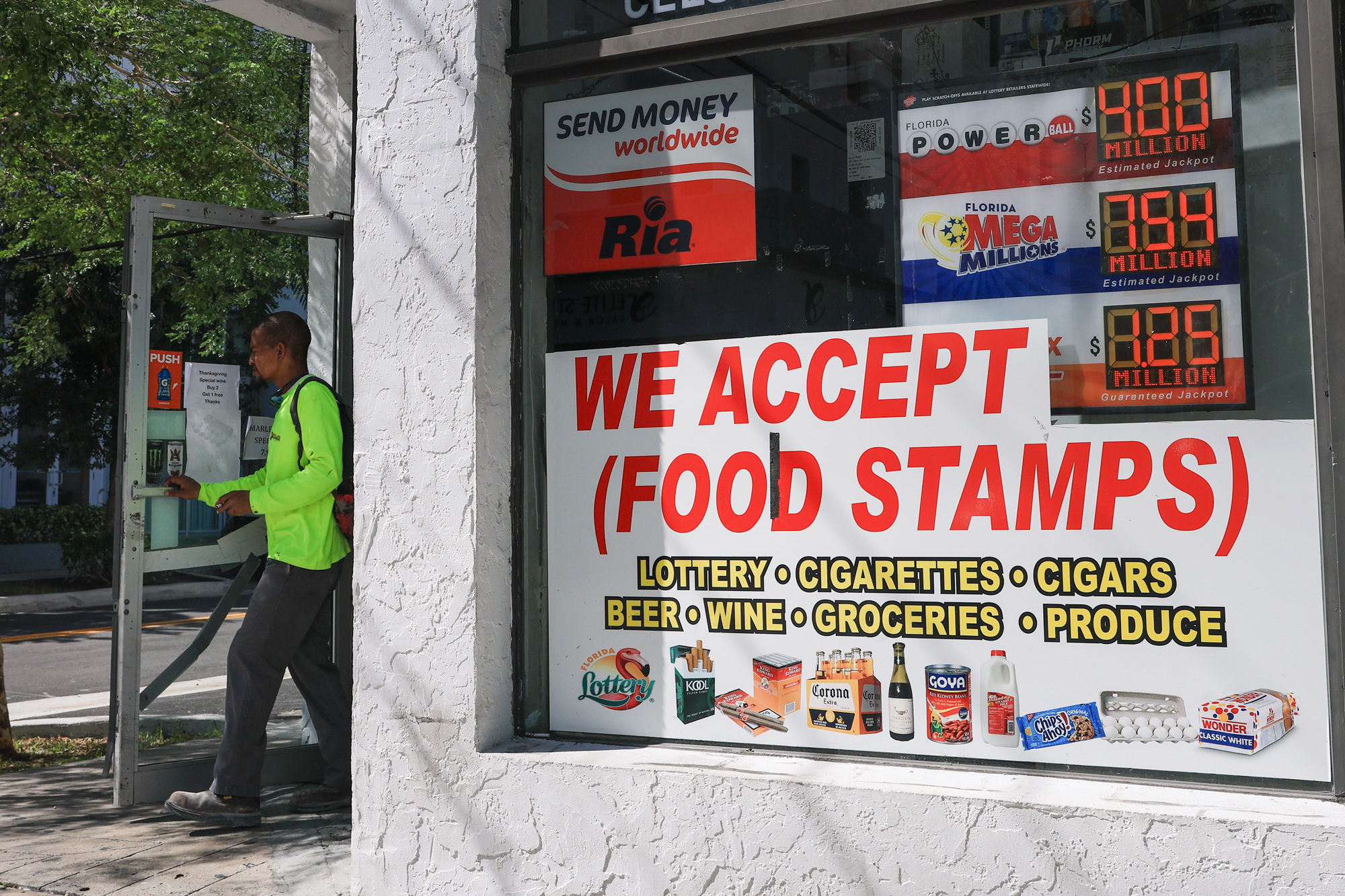

States and federal officials are tightening rules on food purchases made withSupplemental Nutrition Assistance Program (SNAP) benefits, aiming to steer spending toward healthier options.
New Purchase Limits Starting in 2026
Nearly a dozen states plan to bar recipients from buying soda, energy drinks, and candy with their SNAP benefits in the coming months.Kansas, Nevada, and Wyoming will follow within the next two years. By 2028, nearly half the states will have such rules in place.
The changes arrive through waivers approved by the U.S. Department of Agriculture. Arkansas Gov. Sarah Huckabee Sanders submitted one such waiver last year.
Impacts on Retailers, Consumers
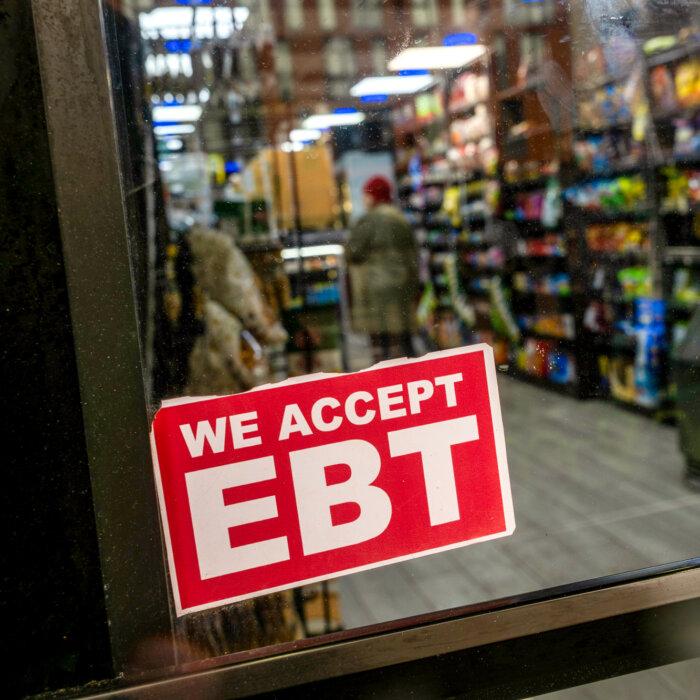
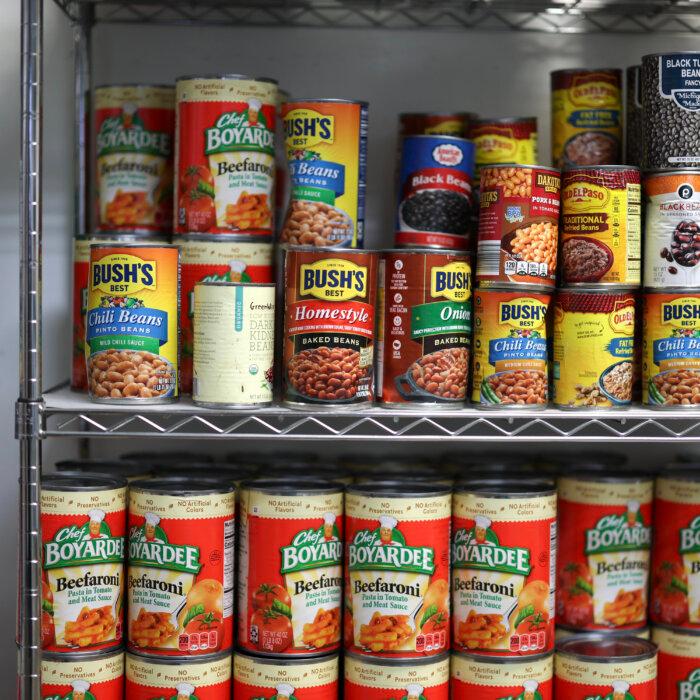
Federal rules will also target stores.Starting this fall, SNAP-authorized retailers must stock more nutritious items across four categories: protein, grains, dairy, and produce.
“SNAP authorized retailers accept over $90 billion a year, or $236 million a day, in taxpayer dollars—USDA is making sure they’re actually in the business of selling food,” Rollins said of the decision in May.
The program serves roughly 1 in 8 Americans.
The push builds on actions already taken by several states in 2025. Indiana, Iowa, Nebraska, Utah, and West Virginia began limiting soda and candy purchases on Jan. 1, 2026. Louisiana, Idaho, and Oklahoma followed with their own curbs.
Officials in those states, along with the Trump administration, say that the limits promote better nutrition and help fight chronic disease.
SNAP provides a monthly debit-card benefit for groceries to low- and no-income households. Benefits cannot be used for alcohol or tobacco, and new state rules add sugary drinks and sweets to the banned list.
Retailers in waiver states must adjust their inventories or risk losing authorization to accept the cards.
SNAP Limits Evolving
Congress created SNAP in the 1960s to fight hunger and poverty. Over decades, lawmakers have added basic restrictions—no hot foods, for example—to keep benefits focused on groceries prepared at home. The current wave of state waivers marks a turn toward nutrition standards.States will also shoulder more administrative expenses under recent federal updates.
The new restrictions are scheduled to take effect on the timelines announced. Recipients can visit their state human-services website or the USDA Food and Nutrition Service page for the latest details.