Locatelli Pecorino Romano Grated, Locatelli Grated Pecorino Romano, Member’s Mark Pecorino Romano, Ambriola Grated Pecorino Romano, Pinna Grated Pecorino Romano, and Boar’s Head Pecorino Romano Grated cheese products are the latest products to be recalled, according to the Nov. 26 announcement.
The items were distributed nationwide between Nov. 3 and 20, with expiration dates ranging from February to May next year.
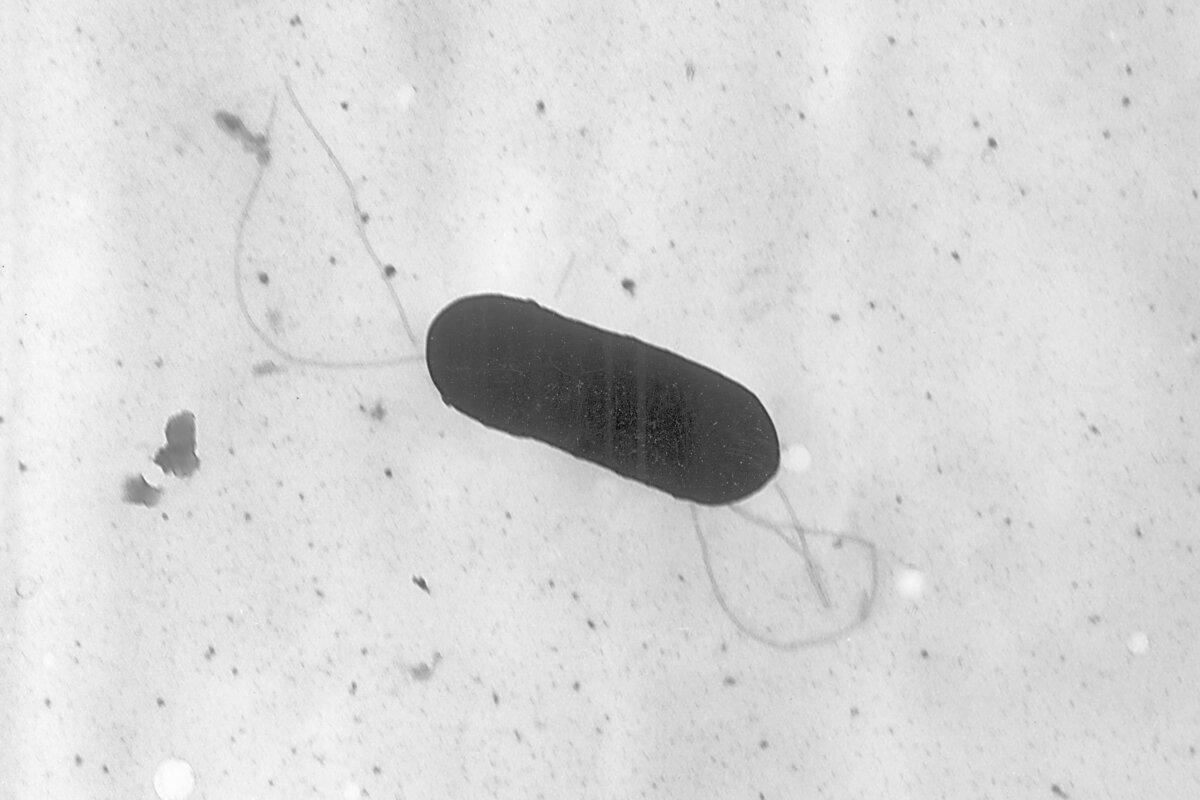
Listeria monocytogenes is a bacterium responsible for causing the foodborne illness listeriosis.
“Although healthy individuals may suffer only short-term symptoms such as high fever, severe headache, stiffness, nausea, abdominal pain and diarrhea,” the infection can cause miscarriages and stillbirths among pregnant women, the company said. Infections in young children, frail or elderly people, and others with weakened immune systems can be fatal, according to the notice.
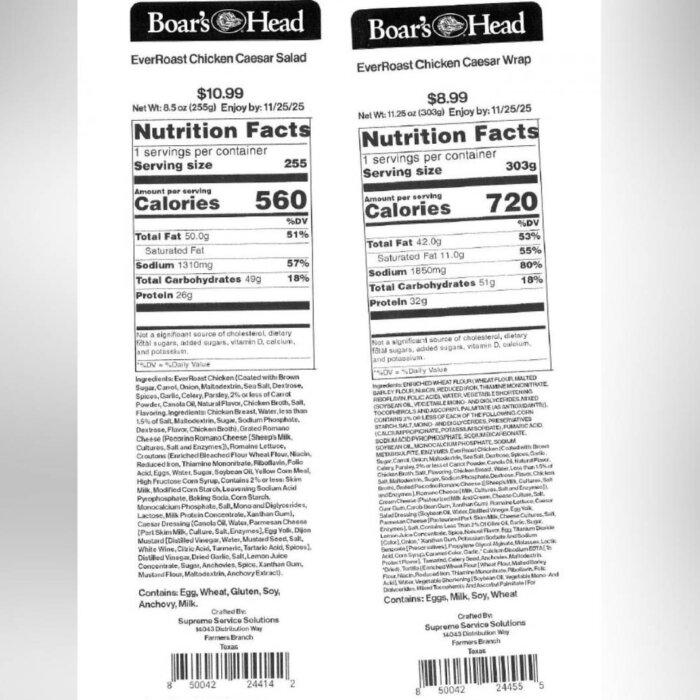

“Out of an abundance of caution, the Company is also recalling additional cheese products processed at the same facility in West Caldwell, New Jersey. No illnesses have been reported to date. That said, customers who have symptoms of listeria infection should contact their healthcare provider,” Ambriola said.
The company clarified that no other Ambriola, Boar’s Head, Member’s Mark, Pinna, or Locatelli products are subject to the recall. Ambriola advised people who bought the affected products not to consume them and to either dispose of the items or return them to the place of purchase for a refund.
The company said it has suspended the production and distribution of the impacted items and is conducting a “thorough review” of all food safety and sanitation procedures at its facilities.
“We take food safety very seriously and immediately alerted stores and distributors to remove the affected products from shelves,” Ambriola CEO Phil Marfuggi said. “We are working closely with the FDA and continuing to test our products and facilities to fully understand the situation.”
The items were sold via Wegmans stores in Connecticut, Delaware, Maryland, Massachusetts, North Carolina, New Jersey, New York, Pennsylvania, Virginia, and Washington, between Nov. 14 and Nov. 24. No illnesses have been reported to date.
The listeria monocytogenes bacterium has a “surprising staying power” in various environments that can make preventing getting infected challenging, he said.
“For example, it can grow at refrigeration temperatures, and it can form a persistent biofilm—a kind of slime that sticks tenaciously to non-biological surfaces, like a knife that’s used to cut a lot of different cantaloupes or a stainless-steel meat slicer,” Higgins said.
“Once it’s there, it can contaminate all the food that touches it. If you buy food that is contaminated, the bacteria can continue to grow in your fridge. Which means a single bacterium on a piece of meat in a sandwich or a heat-and-serve burrito can grow into a dangerous number in a relatively short period of time. That’s why it’s so important to be careful with expiration dates for prepared foods.”