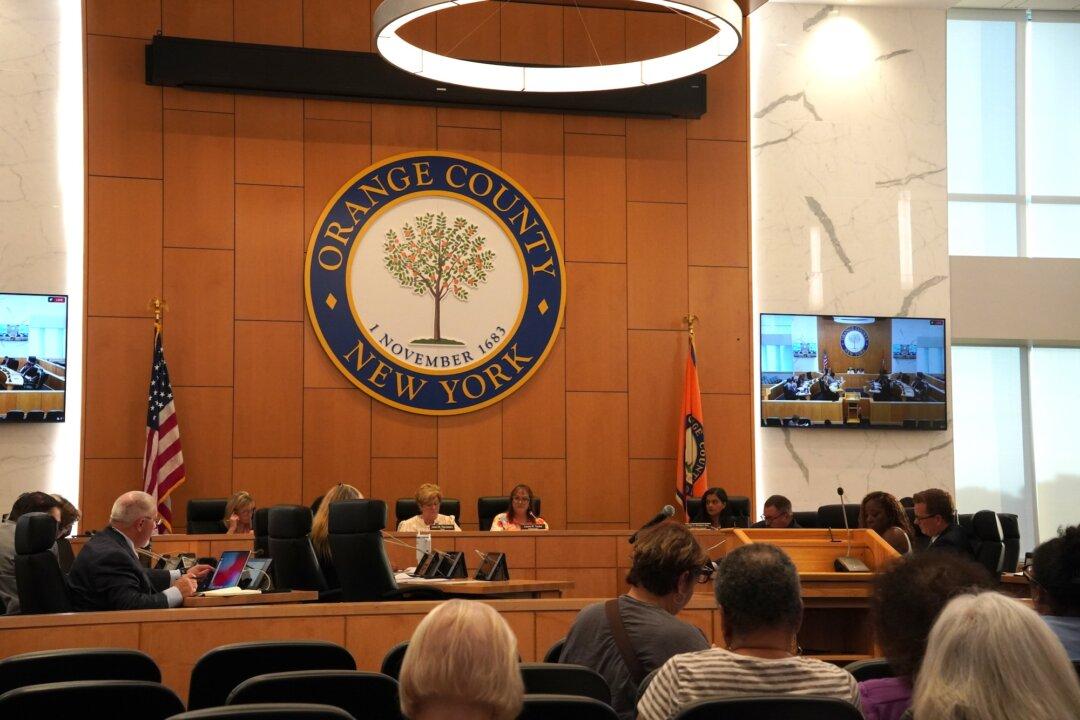
ORANGE COUNTY, N.Y.—The Middletown Common Council on June 17 adopted good cause eviction legislation into law, which will make it harder for landlords to evict tenants or raise rent without proper cause.
The legislation, which was passed unanimously, seeks to prevent landlords from evicting renters without a good reason. Landlords will need to acquire judgment of possession through a court proceeding in order to evict someone from a property. Law enforcement will carry out the court-ordered eviction.
A judgment of possession is a court decision that grants landlords the right to regain their rented property from a tenant.
The list of acceptable reasons for an eviction includes not paying rent, violating the tenancy agreement, being a nuisance, and malicious or negligent damage to the property.
Rent increases will also be controlled under the new legislation. Rent can be raised a maximum of 10 percent or 5 percent plus the annual percentage change in the consumer price index, whichever is lower.
Before the new legislation, landlords had more control over rent increases and evictions. When a lease expired, landlords could decide to terminate tenancies without providing a reason, as long as proper legal notice was given beforehand. Notice requirements ranged from 30 to 90 days depending on circumstances.
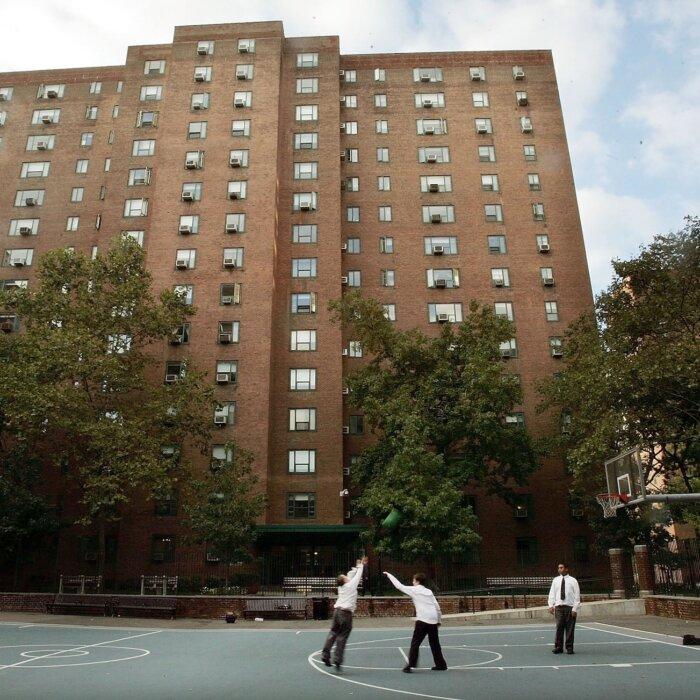
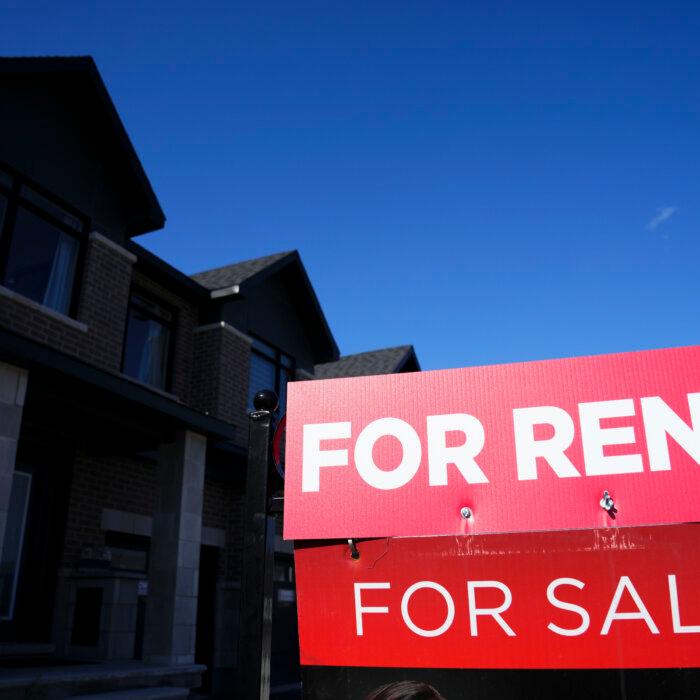
With similar notice, landlords could increase the rent without restriction.
The Good Cause Eviction Law was passed in the FY2025 budget for New York state. The laws are mandatory in New York City, but in other areas of the state it is up to local municipalities to opt into adopting the laws.
Middletown Mayor Joe DeStefano spoke in support of the legislation at a public hearing on June 17. He said that although the mayor’s office was unsure about some of the more restrictive parts of the legislation, it eventually came to understand that the legislation did satisfy the Mayor’s concerns about loopholes.
“The measure is about fairness, stability, and protecting hardworking tenants from arbitrary and unjust evictions,” DeStefano said. “Good cause, as it came out during this whole process, does not prevent landlords from removing bad tenants, especially ones who are disruptive, damaged property, or refuse to pay rent. It’s still a process.”
“Tenants have certain rights on eviction currently even without good cause and they get no more rights if they’re not paying the rent, it’s just an eviction process,” he stated. “But what it does ensure is that people, especially our seniors, working families, and vulnerable residents, have basic protections, such as lease renewal.”