Michigan health officials on July 13 reported a jump of more than 1,000 cases of cyclosporiasis, an intestinal parasitic infection, in four days, bringing the total to 2,640 cases.
Of those total cases, the Michigan Department of Health and Human Services (MDHHS) said there were 44 reported hospitalizations as of July 9.
Southeast Michigan appears to be the epicenter, although cases have been logged across dozens of counties.
Nationwide, the Centers for Disease Control and Prevention said it had tallied 843 confirmed domestic cases across 31 states through July 9, with more than 1,500 others still under review, with Michigan at the top. No deaths have been linked to the outbreak.
Cyclosporiasis is an intestinal illness caused by a microscopic parasite in contaminated food and water that’s been mixed with feces.
The CDC said the gastrointestinal disease generally appears in the spring and summer, when fresh produce moves around the country and is imported from abroad.
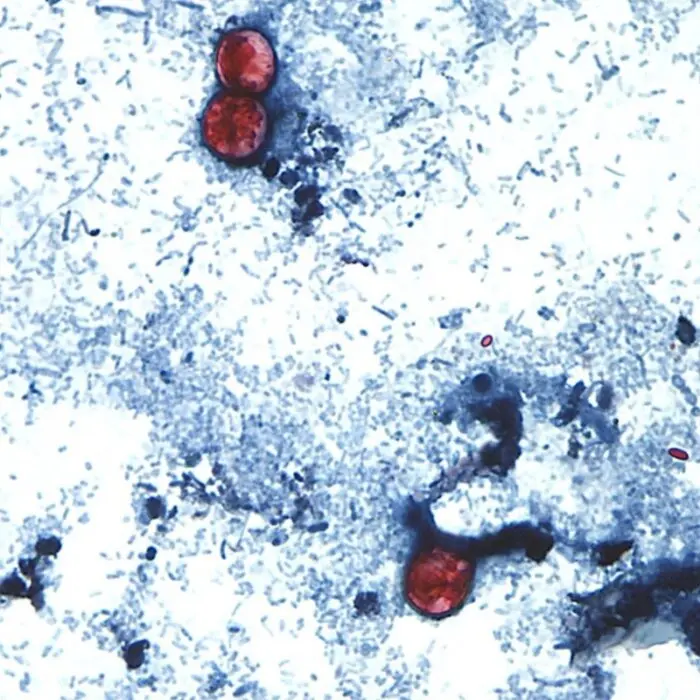
Federal and state teams are uncertain of the source of the current outbreak.
MDHHS said it is working with local health departments and other partners to investigate cases and provide updates as more information emerges. MDHHS has not returned a request for comment.
Dr. Natasha Bagdasarian, the state’s chief medical executive, discussed the outbreak on July 1.
“Outbreaks of cyclosporiasis have been occurring across the United States and now here in Michigan. Based on the unusual number of cases we have identified in a little over a week, we anticipate additional cases of illness being reported,” she said.
“We recommend Michiganders contact their health care provider if they experience sudden, ongoing diarrhea and reach out to their local health department if additional members of their family are suffering from the same symptoms.”
Once infected, symptoms usually don’t appear for two weeks.
Symptoms include diarrhea, loss of appetite, weight loss, cramps, bloating, nausea, and sometimes a mild fever. The young and elderly, or those dealing with other health issues, are most at risk.
Fresh produce is thought to be the culprit, though the current outbreak has not been connected to any grower, supplier, or item.
Jennifer Bonsky, Director of the Human Food Division at Michigan Department of Agriculture and Rural Development (MDARD), said: “In these moments, it becomes even more important to follow all of the essential food preparation guidelines, such as washing your hands before and after preparing food and washing produce before it is consumed.”
Dr. Peter Gulick, who treats infectious diseases in Michigan, didn’t sugarcoat the situation.