Michigan Gov. Gretchen Whitmer signed four bills on June 22 aimed at barring local officials from taking office before election results are certified.
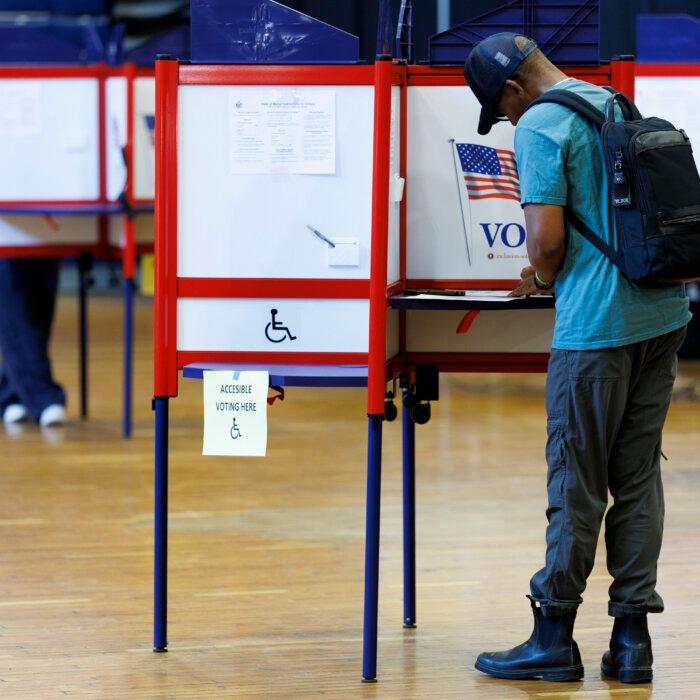
Michigan counts ballots from military members and voters overseas if they are postmarked by Election Day and arrive within six days afterward. That means some local results are not final until nearly a week after the election. This window was added to the state constitution by the ballot initiative Proposal 2 of 2022.
The new laws change the date when local terms begin. Township and village officers now take office on Dec. 1 following their election—pushed back from Nov. 20 for townships. City officers’ terms begin at noon on the first day of the month after their election. The bills also bar anyone elected to fill a local vacancy from taking the oath of office until the appropriate board of canvassers certifies the results.
Two of the bills were sponsored by a Democrat and two by Republicans. State Sen. Jeremy Moss, a Democrat who chairs the Senate Elections Committee, sponsored Senate Bills 240 and 241, which cover townships and home-rule villages. Republican state Rep. Mike Hoadley sponsored House Bill 4358, covering cities, and state Rep. Pat Outman sponsored House Bill 4359, covering general-law villages.
The four bills were tie-barred, meaning none could take effect unless all were enacted.
“Michigan elections are safe and secure,” Whitmer, a Democrat, said in a statement. “I’m proud to sign these bills that will protect ballots sent by mail from our service members and voters overseas. Every Michigan voter deserves the chance to make their voice heard in our elections.”

Moss said the bills followed earlier work on election procedures.
“Last term, we strengthened election certification in Michigan,” Moss said. “This clarified a clear timeline for boards of canvassers to complete their duties and for overseas and military ballots to count.
“Now, we must take the next commonsense step to ensure our local elected officials are not sworn in before the election results are certified. This bipartisan solution sets a uniform date for local oaths of office to take place and gives our community leaders a firm expectation of when to prepare for their new roles.”
The Republican sponsors framed the measures as protecting election integrity. Hoadley said HB 4358 ensures that officials are sworn in promptly and appropriately.
“This common-sense reform protects the will of the voters and restores trust in our local government processes,” Hoadley said.
Outman described HB 4359 as a bipartisan fix giving local communities more flexibility and continuity in local government.
Secretary of State Jocelyn Benson, a Democrat, also backed the bills, saying they strengthen two foundations of secure elections—ensuring that eligible citizens can vote and that every vote is counted.
“Military service members and their families make sacrifices to keep us safe and free,” Benson said. “They deserve to have their voices heard in every election.”