Denials of prior authorization requests in the Medicare Advantage program reached a six-year high in 2024.
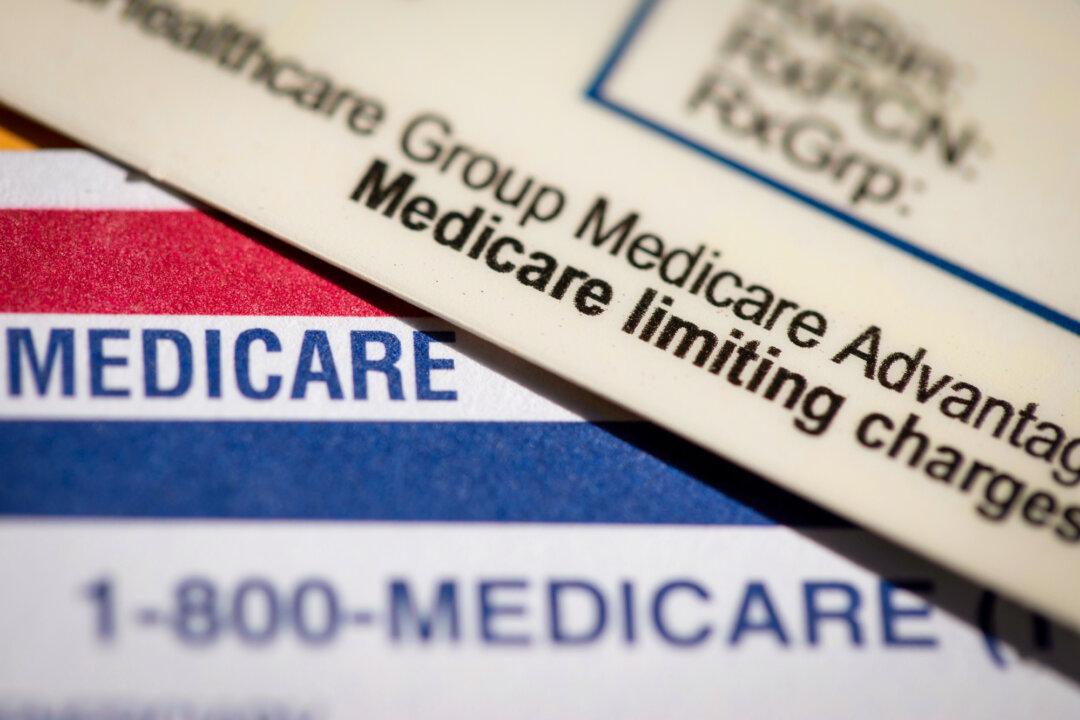
Medicare Advantage is an alternative to traditional Medicare in which claims are managed by commercial health insurance companies.
Medicare Advantage insurers fully or partially denied 4.1 million prior authorization requests in 2024, accounting for 7.7 percent of the total.
Medicare Advantage enrollment rose from 22 million to 33 million between 2019 and 2024.
At the same time, prior authorization requests increased from 37.1 million to 52.8 million—more than 84 times the number in traditional Medicare.

Almost all Medicare Advantage plans require prior authorization for at least some services, particularly those with higher costs.
That includes inpatient hospital stays, skilled nursing facility care, specialist visits, inpatient and outpatient psychiatric services, and chemotherapy, according to the Center for Medicare Advocacy.
“Prior authorization continues to be a leading source of care delays and frustration for patients and physicians alike,” the letter stated.
In other words, these services likely would have been approved for these beneficiaries under traditional Medicare, according to the report.
Two common causes of these denials included insurers requiring clinical criteria that were not contained in Medicare coverage rules—such as requiring an X-ray before approving more advanced imaging—and some services requiring more documentation.
“It frustrates doctors. It sometimes results in care that is significantly delayed,” he added.
Across the country, the prior authorization process has been hindered by incomplete data provided by clinicians, as well as the lack of technology interoperability across the healthcare system, the CVS Health spokesman said.
Insurers
Among major insurers, the denial rate ranged from 4.2 percent of prior authorization requests for Elevance Health plans to 12.8 percent for UnitedHealth Group plans, according to KFF.Centene, CVS Health, and Kaiser Foundation Health Plan denied more than 10 percent of prior authorization requests.
The industry average is 7.7 percent.
Medicare Advantage insurers with fewer than 1 million enrollees have an average denial rate of 5.5 percent.
“Across industry programs and payers, Aetna has the fewest medical services subject to prior authorization—about half as many as our nearest competitor,” a CVS Health spokesman told The Epoch Times through an email.
“We approve more than 95 [percent] of all eligible prior authorizations within 24 hours, with many completed instantaneously,” he said.
Across most firms, roughly one in 10 denied prior authorization requests was appealed to Medicare Advantage insurers, according to KFF.
Most appeals (80.7 percent) were partially or fully overturned in 2024.
Centene and CVS Health revoked more than 90 percent of the initial denials.
This represented requests ordered by a health care provider that were ultimately deemed necessary.
Those care services were potentially delayed because of the additional appealing step, according to KFF.