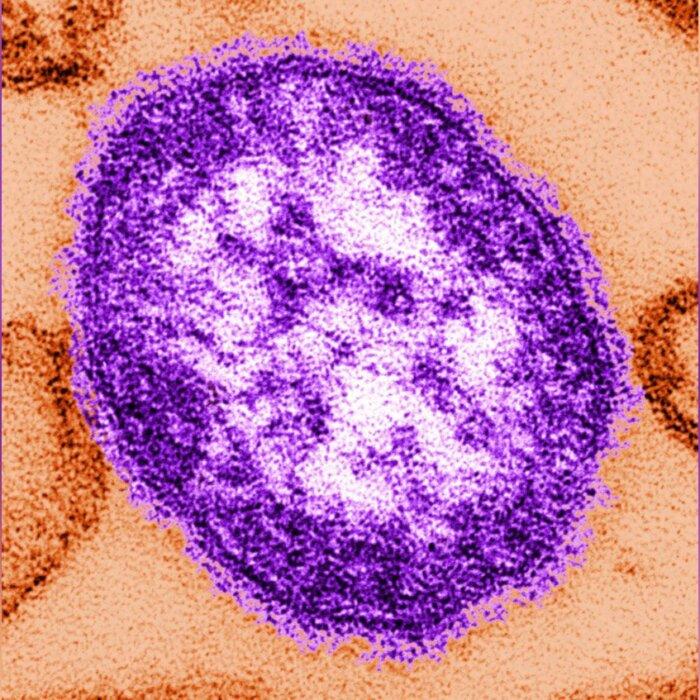
Confirmed measles cases in the United States have hit the highest number since 1992, according to new data from the Centers for Disease Control and Prevention.
That’s the highest number in one year since 1992, when 2,126 cases were logged.
Spokespersons for the CDC and its parent agency, the Department of Health and Human Services (HHS), said in emails to The Epoch Times that HHS “continues to support community efforts in dealing with the measles outbreaks” while the CDC “continues to provide technical assistance, laboratory support, and vaccines as requested.”
Officials say they’ve sent nearly 12,000 mumps, measles, rubella (MMR) vaccine doses to states since cases began appearing in January.
Measles was marked as eliminated from the United States in 2000. That designation means measles was not spreading within the country and that new cases only cropped up when individuals contracted measles in other countries and returned to the United States.
The previous annual peak of case numbers since the elimination was in 2019, when 1,274 cases were confirmed.
That number was primarily driven by an outbreak that occurred in New York.
Of the Texas patients, 5 percent had received at least one dose of the MMR vaccine. Nationwide, 8 percent of patients have a confirmed vaccination history.
The remaining patients are either unvaccinated or have unknown vaccination status.
Three patients have died in the United States in 2025. None of them had received a vaccine.
“The risk of measles infection is low for the overall U.S. population, with a case rate of less than 0.4 per 100,000 people—lower than peer developed countries including Canada, the United Kingdom, France, Spain, and Italy,” the CDC and HHS spokespersons said.
“Measles risk is higher in U.S. communities with low vaccination rates in areas with active measles outbreaks or with close social and/or geographic linkages to areas with active measles outbreaks. CDC continues to recommend MMR vaccines as the best way to protect against measles. The decision to vaccinate is a personal one. People should consult with their healthcare provider to understand their options to get inoculated and should be informed about the potential risks and benefits associated with vaccines.”
It also says that approximately 2 to 7 percent of children who receive one dose of the MMR vaccine, and less than 1 percent of kids who receive two doses, do not develop antibodies against measles.
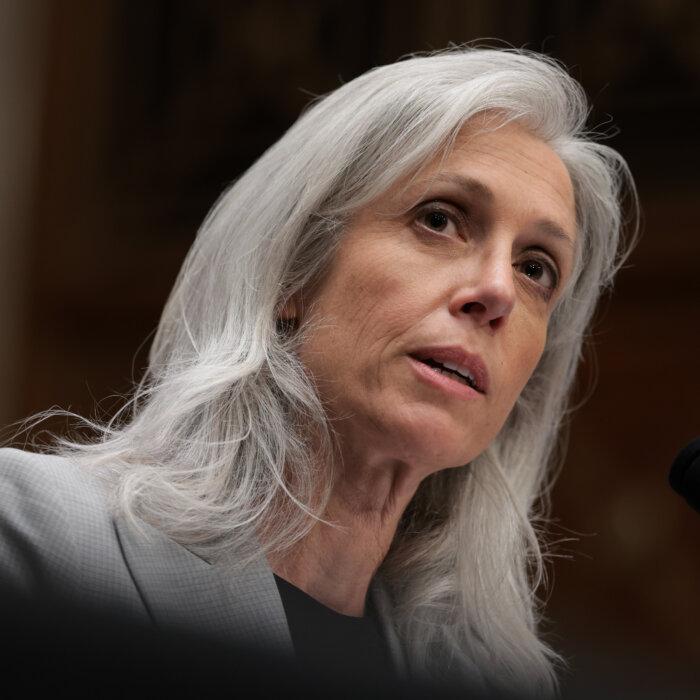
“The secretary has been very clear, it’s his priority to stop the measles outbreak,” Susan Monarez, President Donald Trump’s nominee to head the CDC, told senators during her recent confirmation hearing. “He has been very clear that the MMR vaccine is a critical component to stopping this outbreak.”
People exposed to measles can contract the illness, particularly unvaccinated individuals, according to the CDC. Symptoms typically start appearing seven to 14 days after infection, and include a high fever, coughing, and red eyes.
There are no medicines approved by federal regulators specifically for measles. Doctors are encouraged to provide supportive care and focus on relieving symptoms.