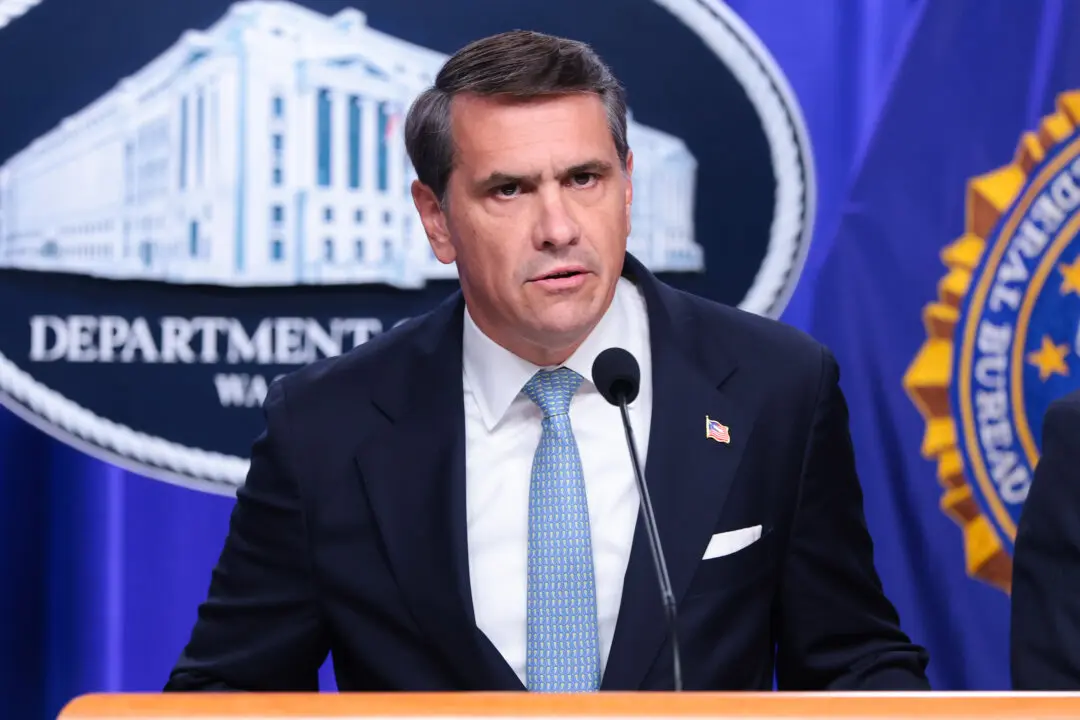
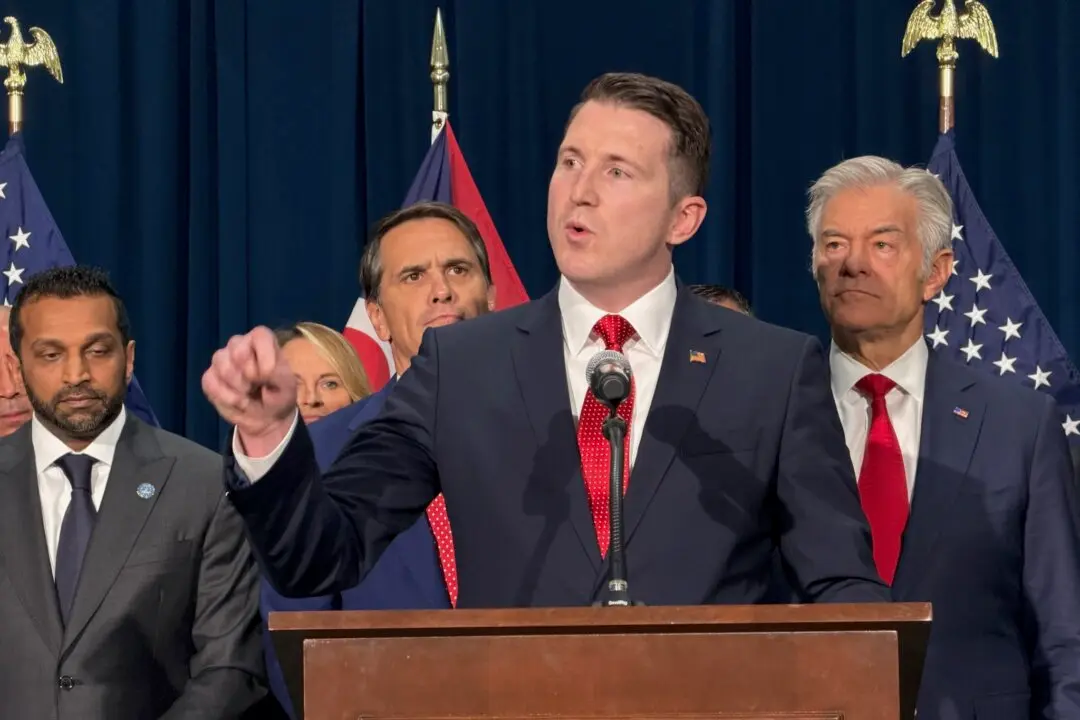
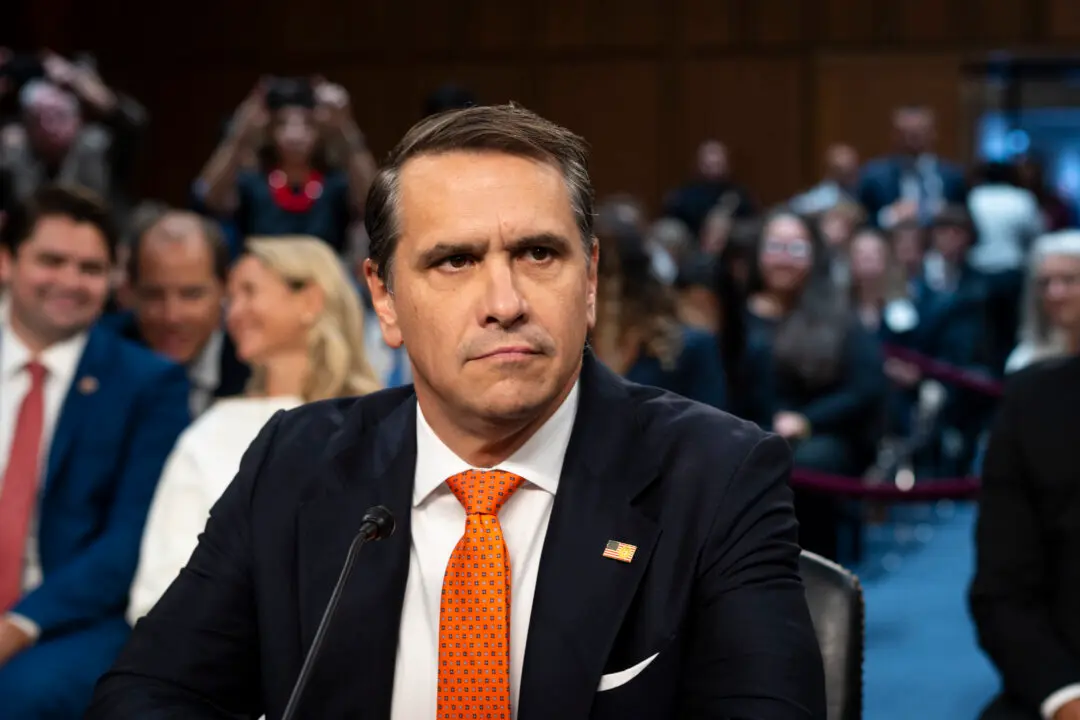
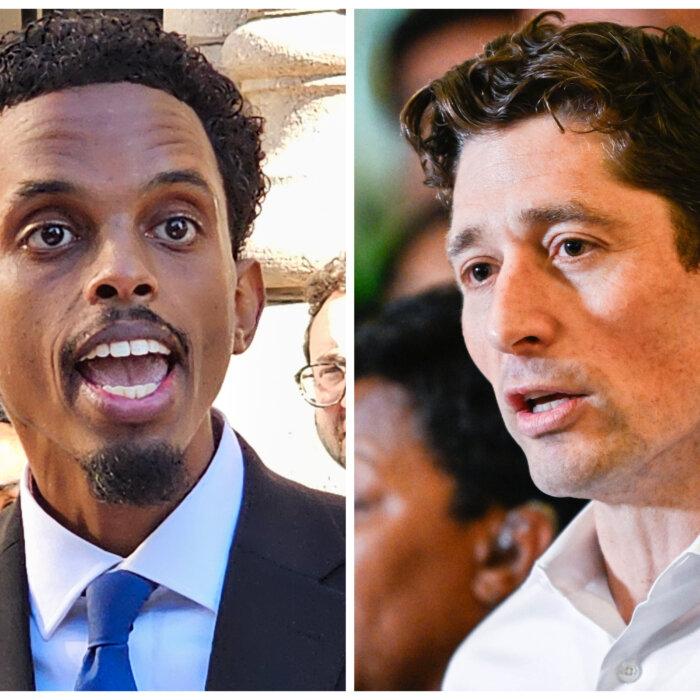
MINNEAPOLIS—Mayor Jacob Frey has won reelection despite a strong challenge from a socialist-aligned candidate.
The outcome follows additional retabulating that the city’s complex ranked choice voting method required, which left voters and the two leading candidates waiting for results following the Nov. 4 election.
In a city in which Republicans rarely run and haven’t won the mayor’s race in 68 years, the two leading Democratic candidates—Frey and Fateh—remained unsure until almost noon on Nov. 5 whether they would ultimately win or lose because of ranked choice voting (RCV), a process in which voters may choose up to three candidates in order of preference.
The Minneapolis mayoral showdown gained national attention for several reasons, including Fateh’s affiliation with the Democratic Socialists of America (DSA). Commentators likened the race to the New York City mayoral contest, which DSA-affiliated candidate Zohran Mamdani, a state assemblyman, won. Mamdani’s victory signals a leftward political shift; it remained unclear during the morning of Nov. 5 whether Fateh, sometimes called the “mini Mamdani,” might be able to unseat Frey.
Although Frey earned nearly 42 percent of the votes cast, that total was insufficient to exceed the 50 percent threshold that RCV requires. Even though Fateh drew only about 32 percent of the votes, he still had a chance to win as voters’ second- and third-choice candidates were tabulated. However, a local political commentator, attorney Andrew Parker, told The Epoch Times that he thought the chances of Fateh prevailing were probably lower than 10 percent.
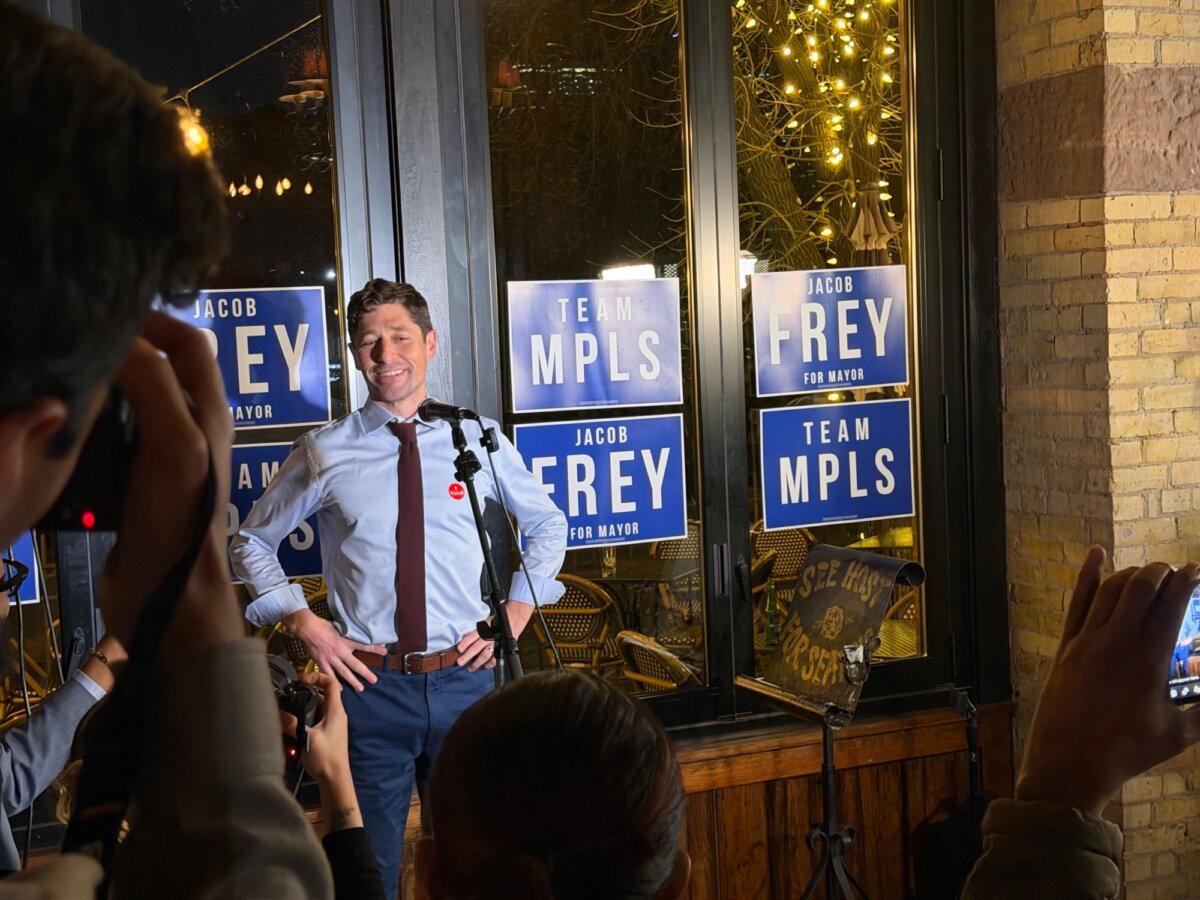
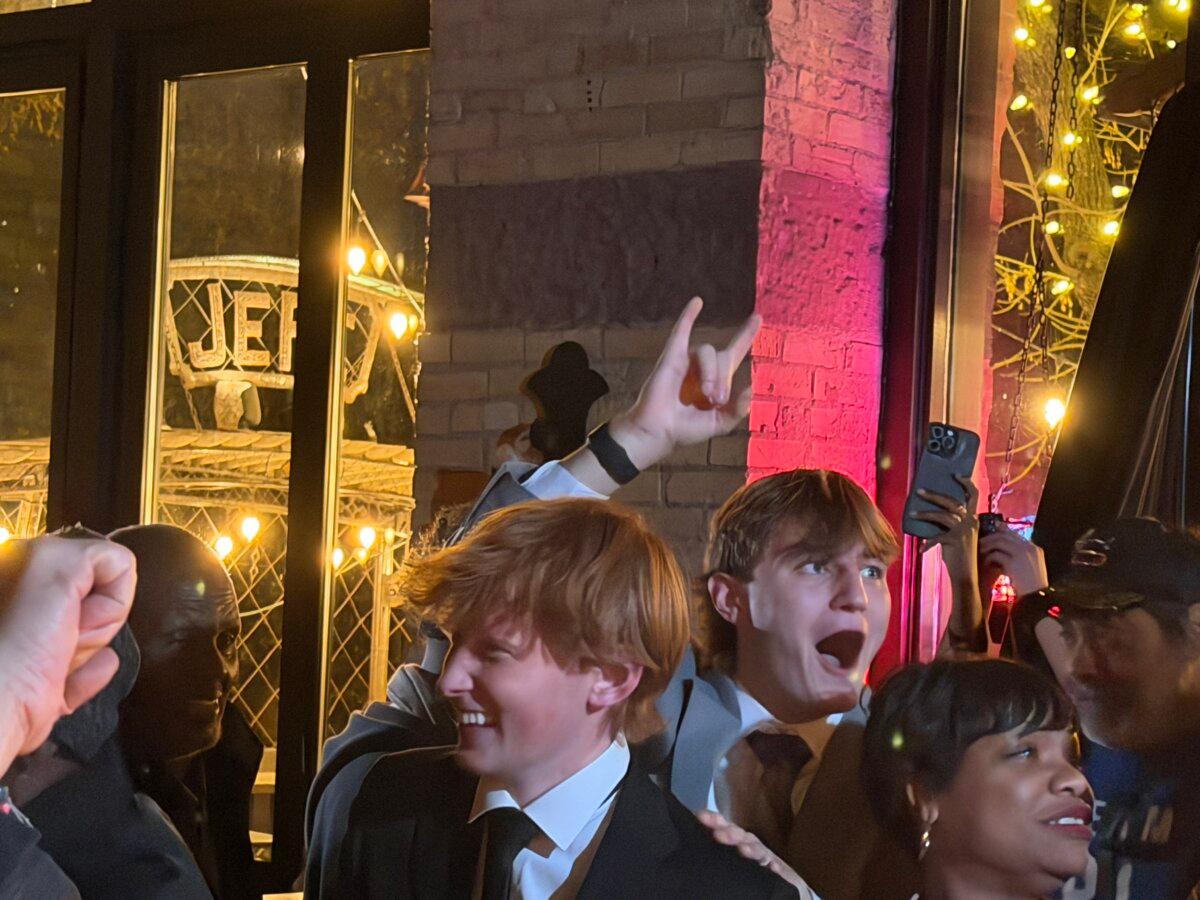
At an election night party, Frey and his supporters celebrated his wide lead over Fateh. But the mayor said it was premature for anyone to declare victory because of the uncertainty that RCV causes. Attendees seemed to agree, while expressing confusion and concern over how the RCV process would play out.
About Ranked Choice Voting
John Hinderaker, a Harvard-educated lawyer who heads a public-policy research nonprofit, Center of the American Experiment, told The Epoch Times that he believes “very few people understand the mechanics of ranked choice voting, and the process by which they progressively reallocate votes.” He had been a Minneapolis-area resident for many years before the city instituted RCV in 2009.Under RCV, election officials eliminate candidates who receive the fewest votes, then redistribute those votes to voters’ second choices, followed by third choices, if necessary, until one candidate emerges with more than 50 percent of the votes.
RCV can lead to surprising outcomes, Hinderaker said, pointing to an example that happened on Nov. 4 in neighboring St. Paul, Minnesota—a race overshadowed by the Minneapolis contest. Incumbent St. Paul Mayor Melvin Carter III earned the most votes, but fellow Democrat Kaohly Vang Her has been declared the winner “based on ranked choice voting,” Hinderaker said. However, Carter’s lead over Her was smaller than Frey’s lead over Fateh.
During the Minneapolis contest, different strategies were in play among supporters of the leading candidates, Hinderaker said, adding that it’s his understanding that Frey voters were encouraged to vote solely for him and to avoid ranking any rivals. In contrast, Fateh aligned with—and appeared at campaign events with—two fellow mayoral hopefuls. Each camp apparently theorized that those tactics could improve their favored candidate’s chances of winning under the RCV system, Hinderaker said.
Representatives of the Frey and Fateh campaigns did not immediately respond to The Epoch Times’ requests for comment on Nov. 5.
“Democrats Davis, Fateh and Hampton have formed an alliance in which they want voters to rank all three of them in the hope that when one is eliminated, their votes will transfer to the others, propelling one ahead of Frey,” the newspaper reported.
Still Recovering From 2020 Riots
The Minneapolis contest also stood out because the impact of the riots after George Floyd’s death loomed large.Citizens remained split over how Frey handled the riots, according to what voters told The Epoch Times. Frey was the mayor at the time that four police officers were accused in connection with Floyd’s death after a white police officer, Derek Chauvin, knelt on the 40-year-old black man’s neck for more than nine minutes. Chauvin was later convicted of murder, and the other three officers were found guilty on charges connected with Floyd’s death.
A sign-waving supporter of Frey, Julie Wicklund, 54, told The Epoch Times that Frey in the post-Floyd era “has had more headwinds against him than any mayor,” except maybe New York City Mayor Rudy Giuliani in the aftermath of the Sept. 11, 2001, terrorist attacks. Giuliani, however, was unable to seek reelection afterward because of term limits and left office when his term ended that year.
Wicklund said Frey has endured many challenges as a result of the Floyd riots and that “he has the experience to get things done now that we have those things behind us.” Still, Wicklund and others acknowledged that the Floyd fallout persists.
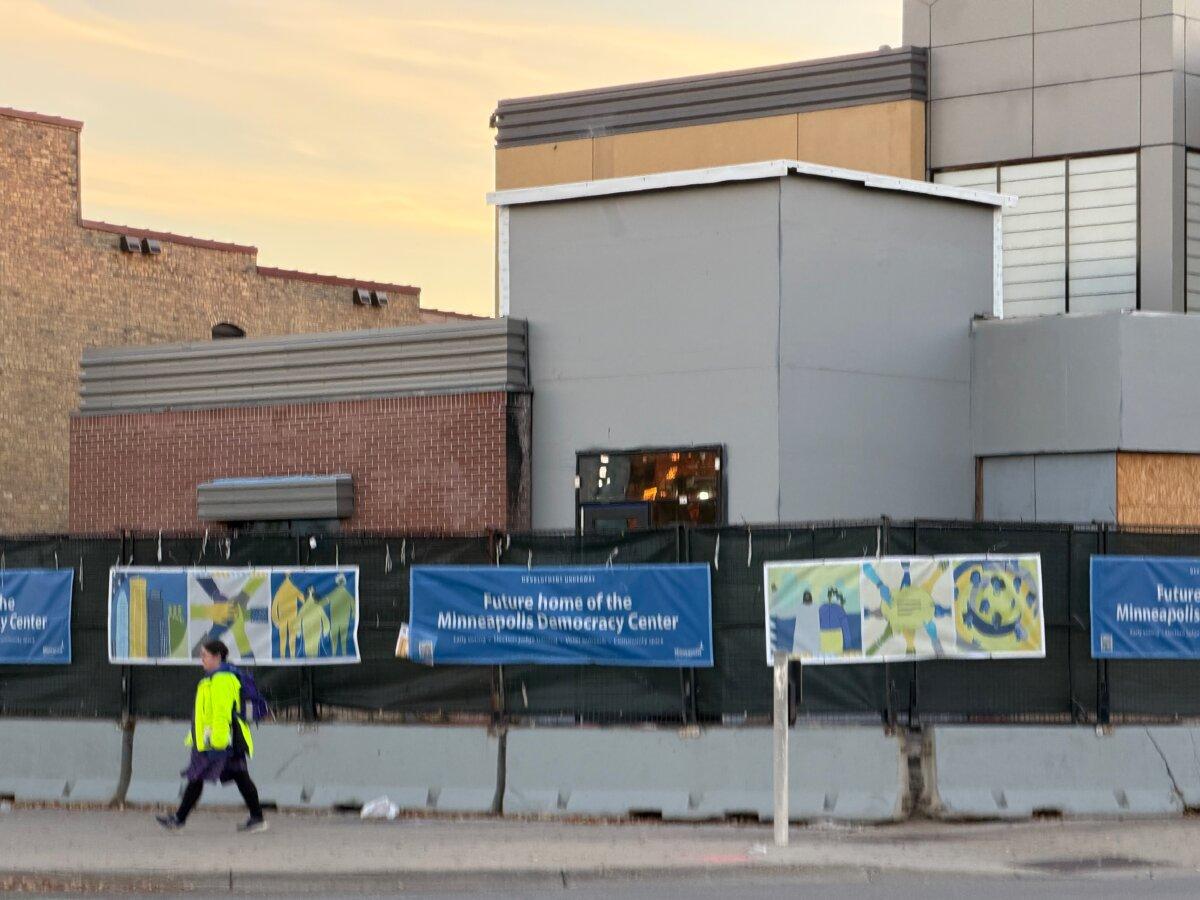
Some residents criticized Frey as too supportive of the city police force. People critical of Frey for his actions during and after the riots continue to oppose the mayor now, some voters told The Epoch Times.
Among dozens of voters who The Epoch Times approached for interviews at four polling places in distant corners of the city, only one voter said she was supporting Fateh. The voter, a young woman who gave only her first name, Hannah, said she was “sick of Jacob Frey,” but gave no specifics. She didn’t have time to elaborate as she rushed to catch a ride after voting in a Somali-heavy district on the city’s east side.
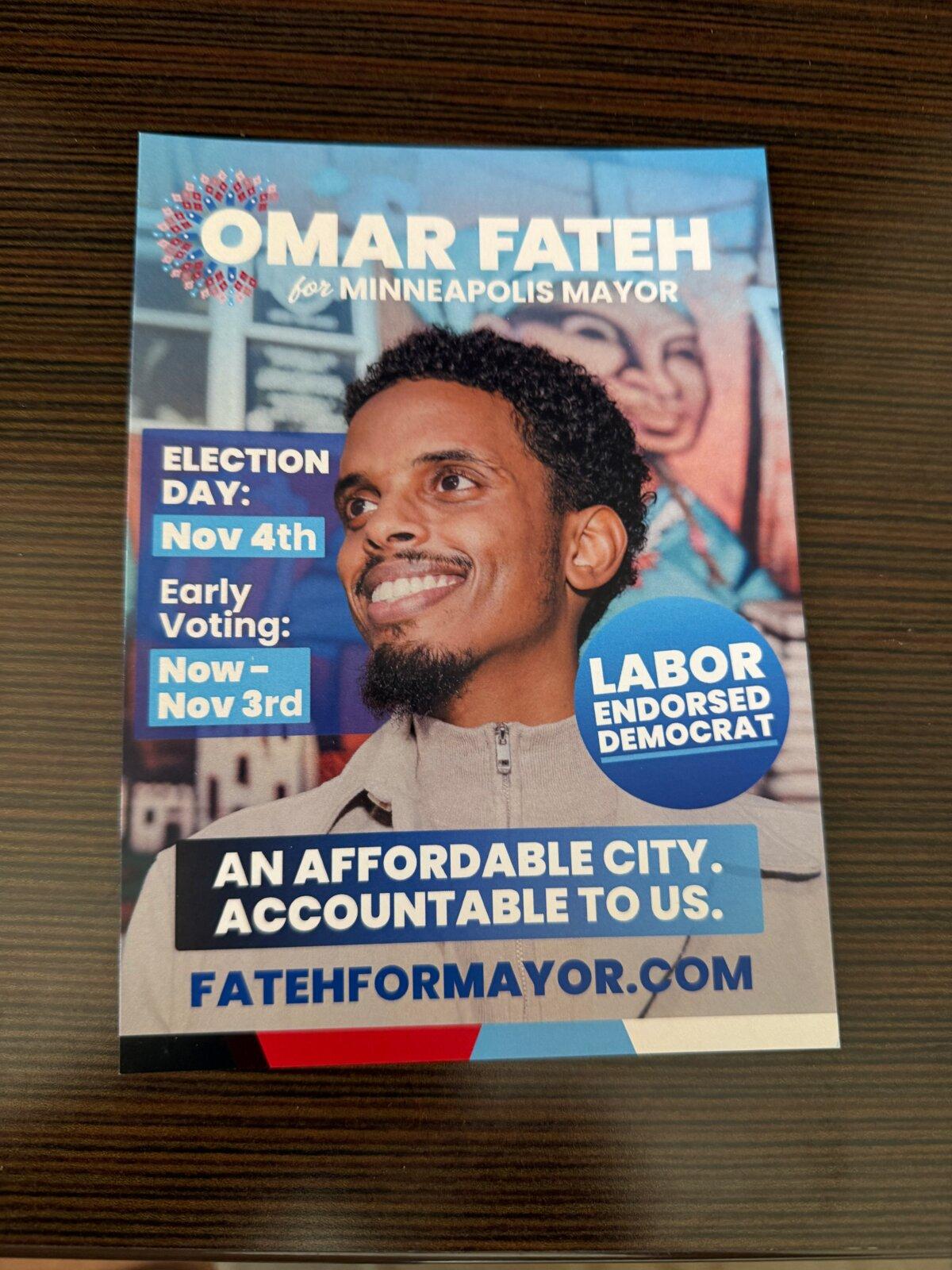
Two women waving campaign signs for Fateh in the city’s northeast community refused to comment about the race but handed over a flyer touting him as a “labor-endorsed Democrat,” with the slogan: “An affordable city. Accountable to us.” The Epoch Times and the Fateh campaign exchanged messages but were unable to connect for an interview prior to the election.
Early Votes Buoyed Results
Frey’s campaign manager, Sam Schulenberg, was campaigning with Wicklund in Ward 13, historically one of the city’s communities with the highest turnouts. When The Epoch Times shared observations that voter turnout seemed sparse at some polling sites, he pointed to statistics showing that many people voted early in this election.About 58 percent of city residents are registered to vote, accounting for 255,980 potential votes. More than 23,000 voters, or about 9 percent of those eligible, cast ballots during early voting.
Schulenberg said those figures boded well for Frey.
“We’re confident that the more people that turn out, the better it is for the mayor, no matter who they are,” he said.
In past years, mayoral election results took a couple of days to tabulate, but Schulenberg accurately predicted that the first round would be completed in one night.