The Department of Labor’s internal watchdog is starting a review of the “challenges” the Bureau of Labor Statistics (BLS) faces regarding the collection and reporting of “closely watched economic data.”
According to the letter, officials pointed to the bureau’s recent decision to reduce data collection activities for the CPI and PPI, “two closely watched inflation measures which play a vital role in the U.S. economy.”
The Labor Department’s Office of the Inspector General also noted that the bureau recently issued “a large downward revision of its estimate of new jobs in the monthly Employment Situation Report.”
“Our focus will be on the challenges and related mitigating strategies for (1) collecting PPI and CPI data, and (2) collecting and reporting, including revising, monthly employment data,” the letter, addressed to acting BLS Commissioner William Wiatrowski, states.
This year, the bureau has adjusted its CPI data collection efforts.
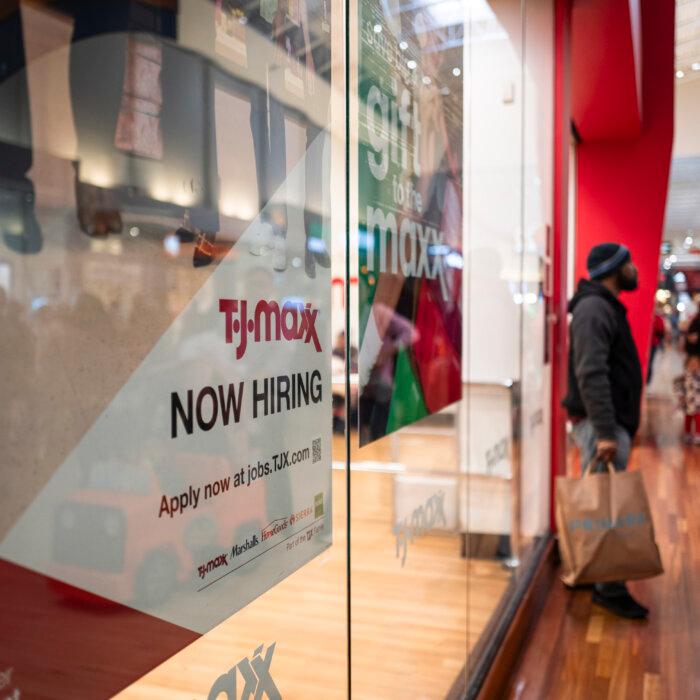

The bureau has also come under scrutiny over its sizable downward revisions in the monthly jobs report.
Changes in total nonfarm payroll employment for June, for example, were revised downward. The bureau initially reported 147,000 new jobs but eventually confirmed that the U.S. economy lost 13,000 positions.
Additionally, the federal agency released its annual preliminary benchmark revisions, highlighting that job growth was overstated by 911,000 in the 12-month period ending in March 2025. This came a year after the bureau reported 818,000 fewer jobs than initially estimated.
Labor Secretary Lori Chavez-DeRemer, in a statement following the Sept. 9 revisions, committed to exploring solutions to problems gripping the BLS.
“Today’s massive downward revision gives the American people even more reason to doubt the integrity of data being published by BLS,“ Chavez-DeRemer said in a press release. ”Considering these reports are the foundation of economic forecasts and major policy decisions, there is no room for such a significant and consistent amount of error.
“It’s imperative for the data to remain accurate, impartial, and never altered for political gain.”
Significant revisions prompted President Donald Trump to fire BLS Commissioner Erika McEntarfer and nominate E.J. Antoni, chief economist at the Heritage Foundation, as her replacement.
Market watchers say this move could be viewed as a threat to data integrity at the BLS.
“Removing the BLS chief over what are typically routine statistical adjustments was seen as a direct blow to the agency’s credibility and a troubling sign of political interference creeping into one of the nation’s most trusted and historically nonpartisan sources of economic data,” Judith Raneri, portfolio manager at Gabelli Funds, said in a note emailed to The Epoch Times shortly after the president terminated McEntarfer.
However, following the latest revisions, the White House said the personnel change was the right decision.
“This is exactly why we need new leadership to restore trust and confidence in the BLS’s data on behalf of the financial markets, businesses, policymakers, and families that rely on this data to make major decisions,” White House press secretary Karoline Leavitt said in a statement.