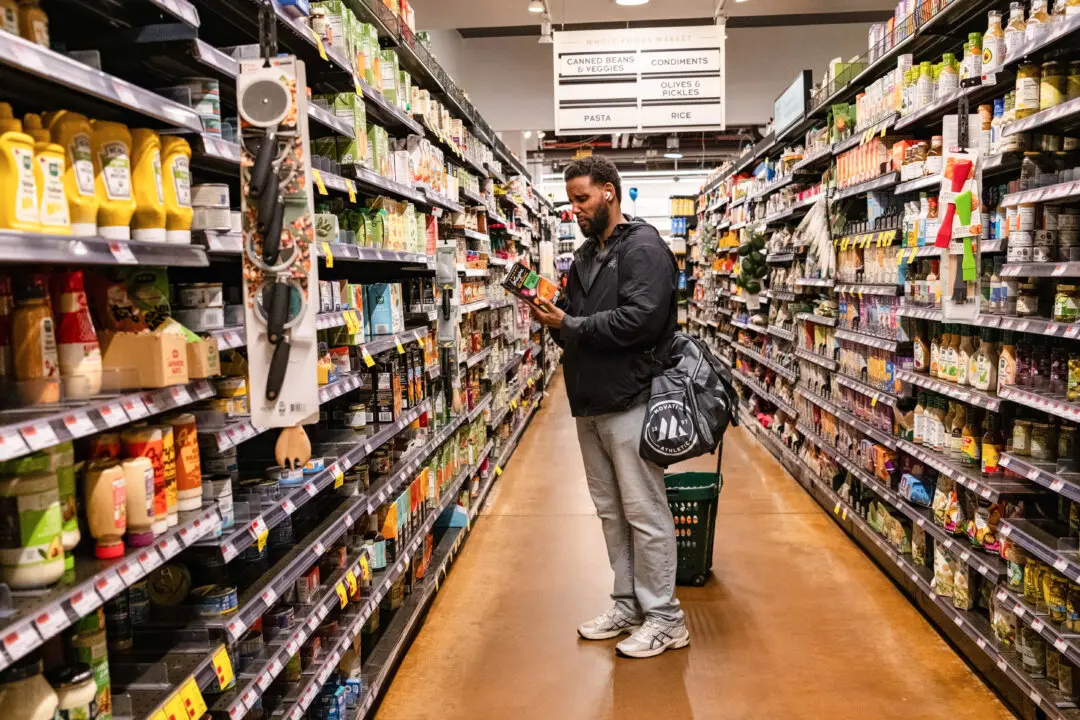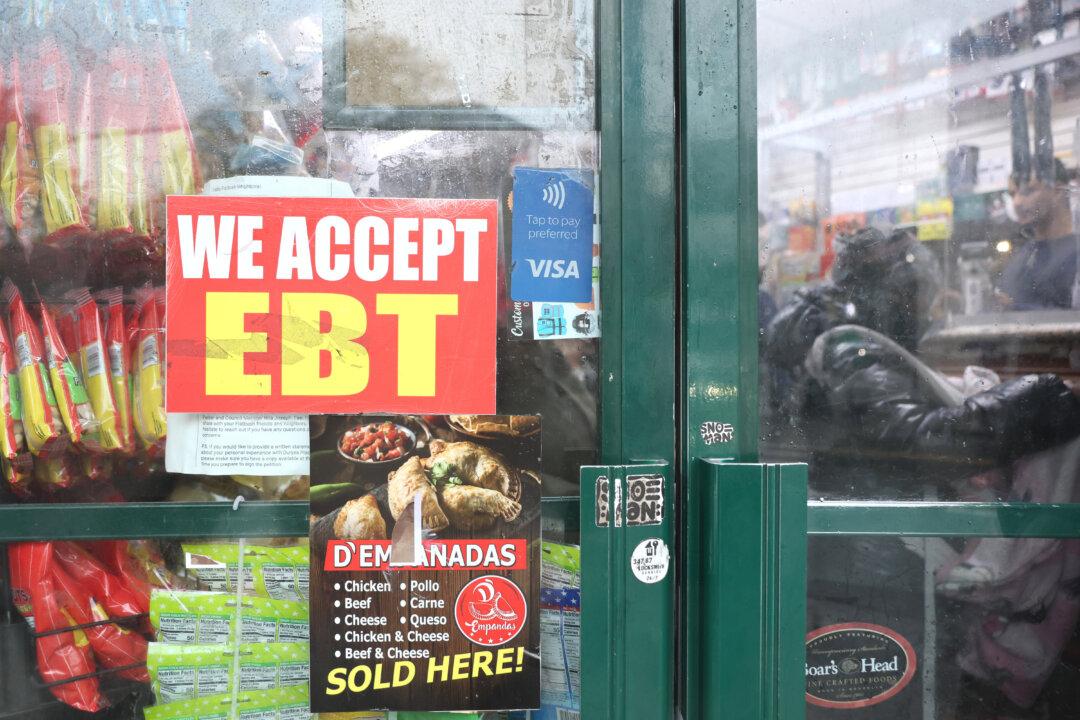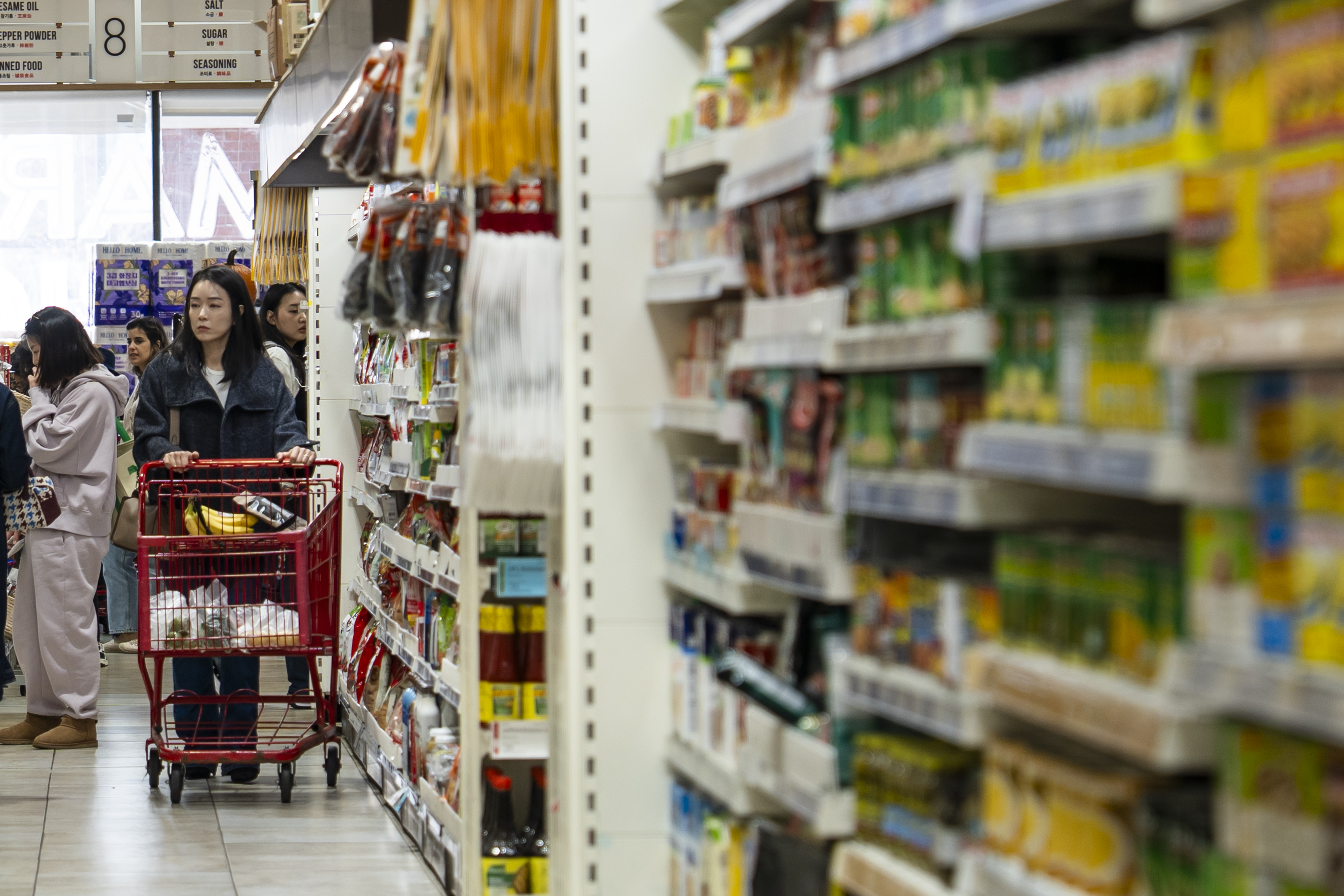

Americans using Supplemental Nutrition Assistance Program (SNAP) benefits to purchase groceries may need to adjust their shopping habits in 2026 as some states will prohibit the use of SNAP funds to purchase certain “junk foods.”
Also starting next year, states will have to shoulder a larger portion of the cost of running the program. In addition, states could lose funds if their payment error rate is too high.
Restrictions on Purchases in Some States
Eighteen states will restrict the purchase of certain foods lacking in nutritional value next year. The changes are being made under the banner of the Make America Healthy Again initiative launched by the Department of Health and Human Services. To institute the changes, the states had to submit and have approved a waiver of federal rules from the Department of Agriculture, which oversees the nutrition program.The starting dates for the restrictions and the foods prohibited vary by state.
Indiana, Iowa, Nebraska, Utah, and West Virginia will implement purchase restrictions on Jan. 1, 2026. Idaho, Oklahoma, Louisiana, Colorado, Texas, Virginia, and Florida have starting dates from February to April. Arkansas, Tennessee, Hawaii, South Carolina, North Dakota, and Missouri will begin their bans between July and October.
Most of these states have removed candy, soda, and energy drinks from the list of SNAP-eligible items.

In Tennessee and Iowa, SNAP beneficiaries will no longer be able to use the funds to purchase certain highly sweetened foods and beverages. Tennessee will exclude processed foods “that list sugar, cane sugar, com syrup, or high fructose com syrup as the first ingredient, excluding granulated sugar, raw sugar, and other single-ingredient sugars used for cooking and baking.” Iowa will exclude taxable food items such as candy, soft drinks, and certain fruit juices.
Prepared desserts, such as cakes and cookies, are restricted in Florida and Missouri.
See the accompanying map to find specific start dates and any applicable restrictions for each state.
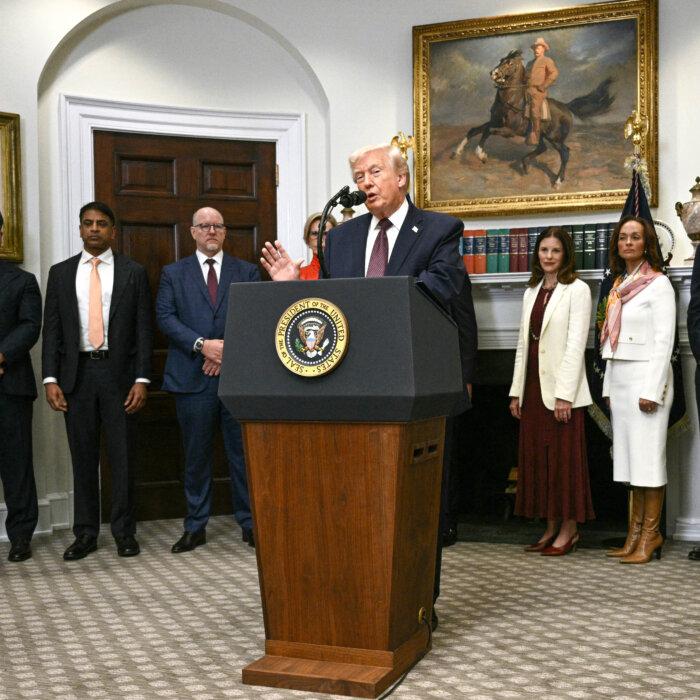
“With these new waivers, we are empowering states to lead, protecting our children from the dangers of highly-processed foods, and moving one step closer to the President’s promise to make America Healthy Again.”
Health Secretary Robert F. Kennedy Jr. said, “We cannot continue a system that forces taxpayers to fund programs that make people sick and then pay a second time to treat the illnesses those very programs help create.”
These restrictions mark the first time in the program’s history that the Department of Agriculture has granted SNAP waivers.
From the early 2000s through 2024, the department consistently denied state requests to restrict specific food items under SNAP.
Administrative Cost Sharing, Error Rates
State governments will see changes in the SNAP program next year, also.Beginning in October 2026, states will be responsible for 75 percent of SNAP administrative costs. Currently, the states pay half the cost of operating their SNAP programs, and the federal government pays the other half.
The federal government will continue to fund 100 percent of SNAP benefits, which totaled about $100 billion in 2024.
Starting in 2027, states will be financially penalized for the first time in program history for having an excessive payment error rate.
States with payment error rates higher than 6 percent during fiscal year 2026 will be required to pay between 5 percent and 15 percent of the benefits distributed, starting in October 2027.
Previously, errors under $56 per household were ignored. However, starting in fiscal year 2026, which began on Oct. 1, every dollar in error counts toward the state’s penalty rate.
Some Changes Already in Effect
Starting in October, the maximum allotment for a family of four in the continental United States rose to $994, up from $975.The shelter deduction, which reduces countable income when determining SNAP eligibility, also increased, to $744 from $712.