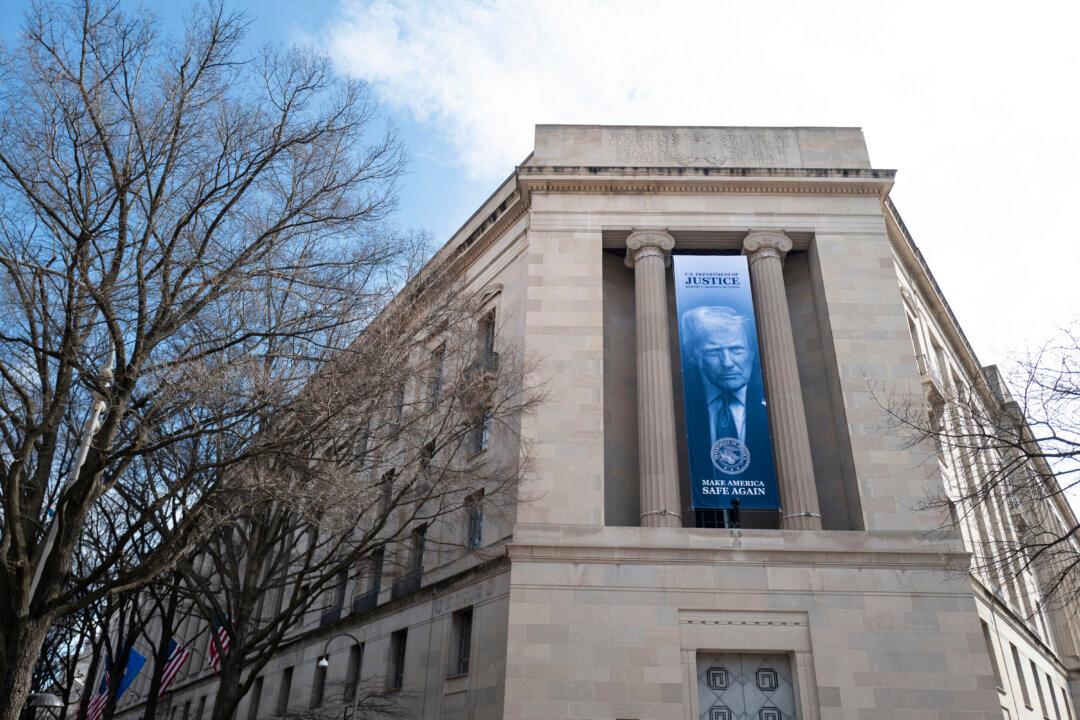
A federal judge on Dec. 6 barred prosecutors from accessing evidence seized from ex-FBI Director James Comey’s former attorney, complicating the Department of Justice’s bid to revive a case against him.
The judge stated that Richman is likely to succeed on the merits of his claim that the government violated his Fourth Amendment rights when it retained “a complete copy of files on his personal computer” and searched that image without a warrant.
Kollar-Kotelly said the government has not yet indicated who holds custody of the seized materials and that neither Richman nor the court can determine who the custodian is.
“Given that the custody and control of this material is the central issue in this matter, uncertainty about its whereabouts weighs in favor of acting promptly to preserve the status quo,” the judge stated.
Kollar-Kotelly ordered the government to “identify, segregate, and secure” the image of Richman’s personal computer, along with his email accounts and other materials taken from his electronic devices, and barred prosecutors from accessing those files without the court’s permission. The order is set to take effect at 12 p.m. ET on Dec. 8.


The Epoch Times reached out to the Justice Department and Richman’s lawyer for comment but did not receive a response.
Prosecutors had relied on those files to indict Comey on charges of making false statements and obstructing Congress in connection with his 2020 testimony regarding FBI officials anonymously providing information to news outlets.
Richman said he agreed to let investigators image his personal computer during the investigation, and the government later obtained warrants authorizing further searches of the image and of his email and iCloud accounts.
In his motion, Richman argued that the government had violated his Fourth Amendment rights by seizing more materials than he had permitted and retaining all the files for four years after the investigation concluded in 2021.