A federal judge in Washington has rejected an investment firm’s request to force the Federal Reserve to open its closed-door monetary policy meetings to the public.
U.S. District Judge Beryl A. Howell on July 28 denied Azoria Capital Inc.’s request for an emergency order requiring the Fed to hold its upcoming interest rate deliberations in public.
During Monday’s hearing, Howell said the Sunshine Act does not apply to the FOMC and concluded Azoria was unlikely to prevail on the merits. The ruling allows the Fed to continue its long‑standing practice of deliberating privately on interest‑rate decisions, which officials argue is necessary to prevent market disruption.
In its filings, Azoria alleged that the FOMC, led by Chair Jerome Powell, may be keeping rates elevated for political reasons.
“Azoria is deeply concerned that the FOMC, under Chair Jerome Powell, is maintaining high interest rates to undermine President Donald J. Trump and his economic agenda,” the complaint states, adding that secrecy “unlawfully deprive[s] Azoria and the American public of timely access to deliberations that may reveal improper political motives behind the FOMC’s decisions.”
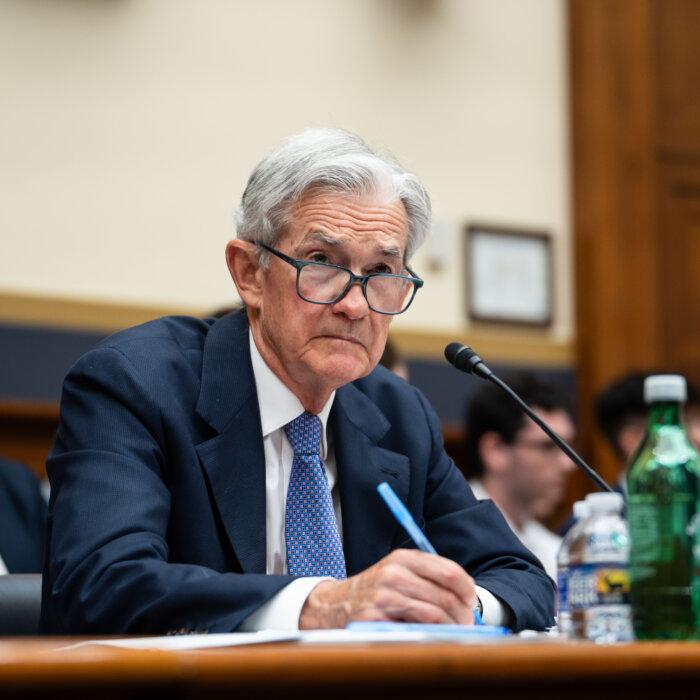

The FOMC, a 12‑member panel made up of Federal Reserve governors and regional bank presidents, meets eight times a year to set monetary policy. After each meeting, it releases a policy statement followed by a press conference from the chair. Detailed minutes are published several weeks later, providing more context on the debate.
“Plaintiff has put forth no evidence that it faces any great harm,” Fed attorneys wrote, adding that it “would not be in the public interest to grant Plaintiff’s request to further its pecuniary interests at the expense of the FOMC’s ability to fulfill its statutory mandate and protect the Nation’s economy.”
He said Azoria would continue pressing its case and pointed to two developments: the court declined to dismiss the suit outright, and Fed lawyers acknowledged that the FOMC meeting would be held jointly with the Fed’s board of governors, which is subject to the Sunshine Act.
“Azoria believes these joint meetings between the FOMC and Board of Governors may be an attempt to dodge the Sunshine Act and deny Americans their legal right to know what the Federal Reserve is actually doing,” Fishback said.
“Azoria looks forward to continuing our case and fighting for transparency and accountability for all Americans.”
The court’s decision came as the FOMC began a two‑day meeting expected to leave interest rates unchanged for a fifth straight time.
Powell has said policymakers want to gauge how the economy responds to Trump’s tariffs before adjusting interest rates, particularly whether the duties will feed inflation.
Trump has repeatedly accused Powell of “playing politics” with monetary policy and demanded rate cuts to spur growth and lower the government’s debt‑service costs.
On Monday, Trump again called on the Fed to cut interest rates, saying it would help propel the U.S. economy.
“I think he has to,” Trump said of Powell, speaking alongside British Prime Minister Keir Starmer following their meeting in Scotland.