A federal judge on Jan. 11 ordered the Department of Health and Human Services (HHS) to resume funding grants to a major pediatrician organization.
Judge Beryl Howell of the U.S. District Court for the District of Columbia said that the American Academy of Pediatrics (AAP) is likely to succeed in its claims that HHS violated the U.S. Constitution’s First Amendment when officials cut some $12 million in grants to the academy.
“This is a case about whether the federal government has exercised power in a manner designed to chill public health policy debate by retaliating against a leading and generally trusted pediatrician member professional organization focused on improving the health of children.”
She said AAP has “marshaled substantial and undisputed evidence from statements and other actions by HHS leadership and officials that demonstrate the likelihood of retaliatory motive for the grant terminations at issue.”
Howell ordered officials to take steps to disburse the funds for the grants in the usual manner and time frames.
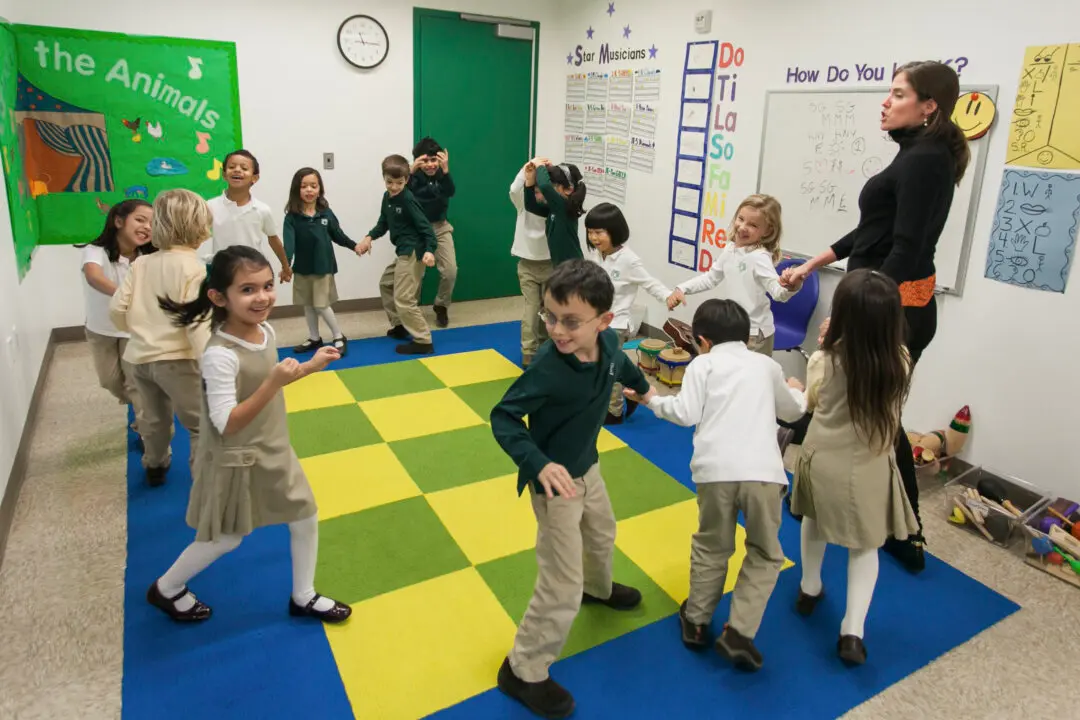
The grants go to multiple initiatives, including programs aimed at reducing sudden infant death and furthering early detection of autism.
HHS has said it does not comment on litigation.
Skye Perryman, a lawyer helping represent AAP, said, “The court shut down a dangerous attempt to use federal funding as a political weapon and punish pediatricians for speaking the truth.”
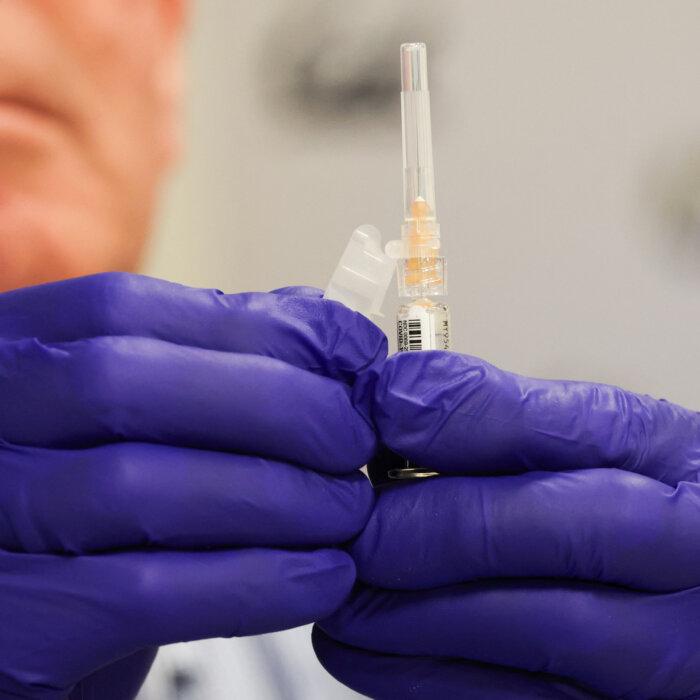
AAP, which represents about 67,000 pediatricians and lists pharmaceutical companies among its partners, had previously sued HHS over changes to vaccine guidance and membership of a vaccine advisory panel, in addition to providing a child vaccine schedule that differs from the schedule of the Centers for Disease Control and Prevention.
Health Secretary Robert F. Kennedy Jr. has criticized AAP for its ties to pharmaceutical companies, although he recently credited the group for helping form new dietary guidelines.
Government lawyers said in a brief to Howell that the cancellations complied with federal law and noted that officials kept in place multiple other grants to AAP.
“Plaintiff has not established that there was a causal link between the exercise of a constitutional right and the alleged adverse action taken against it,” they said. “The grants were terminated because they were not aligned with agency priorities.”
Howell said in her opinion that Kennedy and others, such as HHS adviser Calley Means, have made pejorative statements about AAP and that the timing of those statements served as circumstantial evidence demonstrating a link between AAP’s speech and the cancellations.
She said she was also entering an injunction because officials failed to put forth a legitimate alternative explanation for canceling the grants.
“In sum,” she wrote, “a combination of the overlapping timeline between the retaliatory acts taken by HHS and AAP’s participation in the Massachusetts lawsuit, the number and negativity of statements made by HHS leadership over the course of months, and the complete absence of a plausible legitimate alternative explanation for adverse HHS action is sufficient to find that AAP has demonstrated a likelihood of a causal link between its protected speech and the adverse action.”