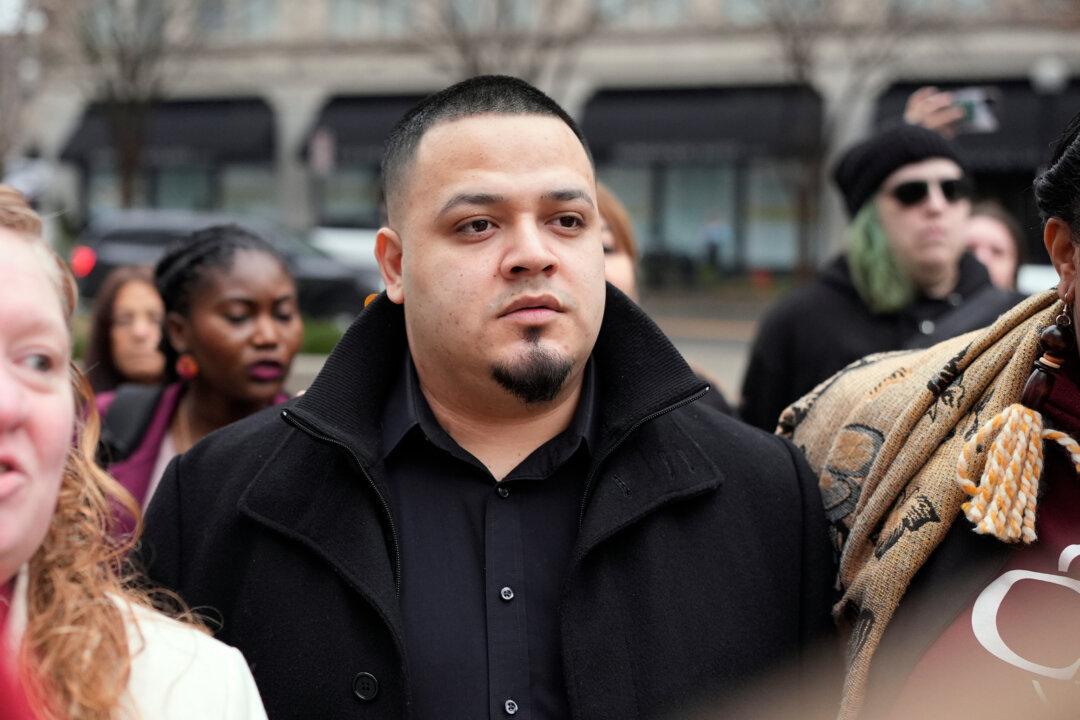
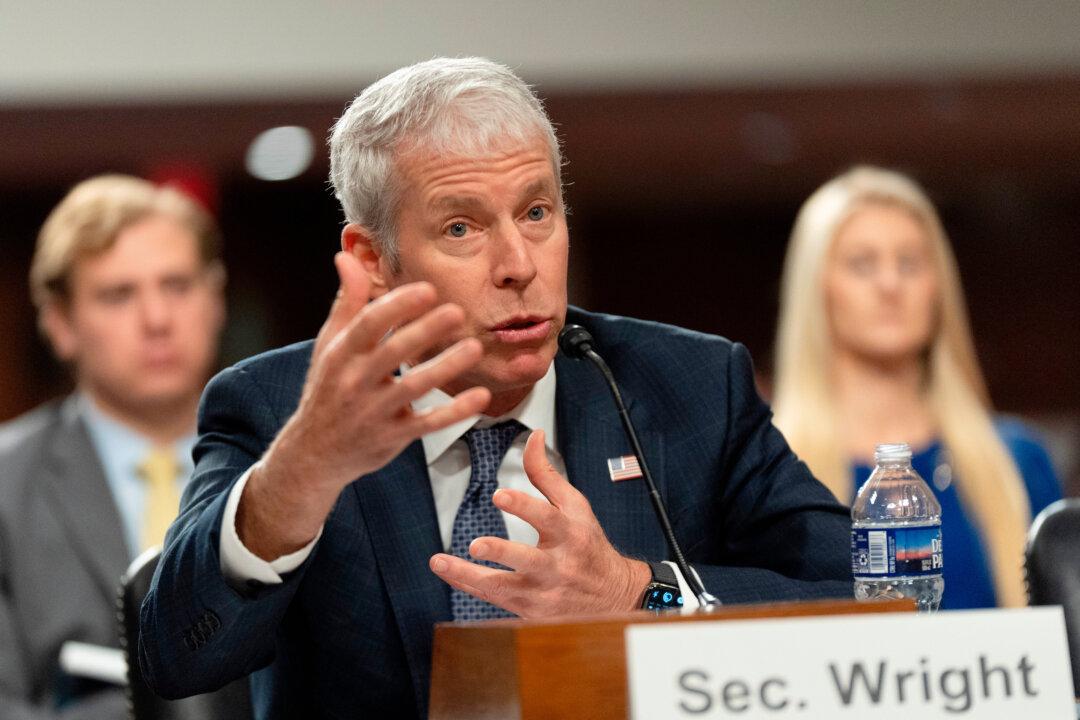
A federal judge on March 9 extended restrictions on the use of crowd control tools by federal agents against protesters outside the U.S. Immigration and Customs Enforcement (ICE) building in Portland, Oregon.
The judge also granted the plaintiffs class-action status, meaning the order covers all participants in the protest outside the Portland ICE building, not just the plaintiffs.
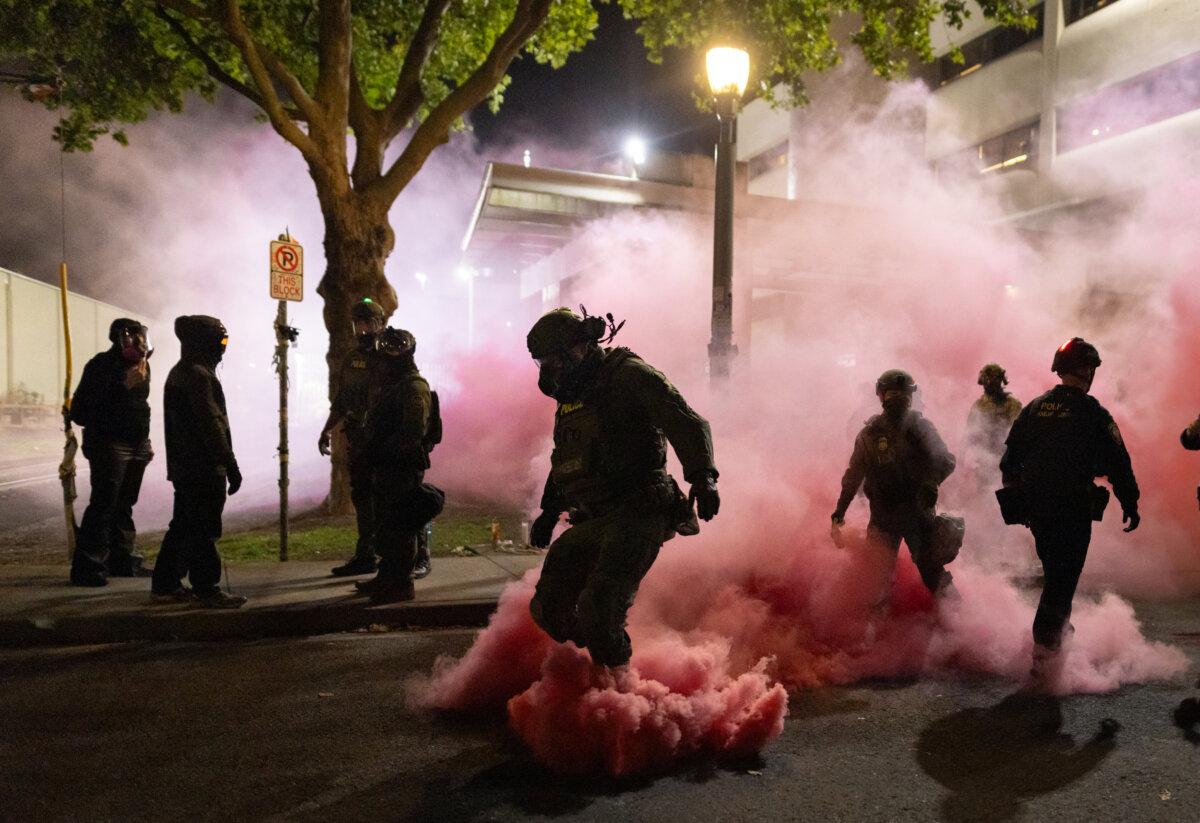
“Plaintiffs provided numerous videos, which were received in evidence and unambiguously show DHS [Department of Homeland Security] officers spraying OC Spray directly into the faces of peaceful and nonviolent protestors engaged in, at most, passive resistance and discharging tear gas and firing pepper-ball munitions into crowds of peaceful and nonviolent protestors,” the judge said.
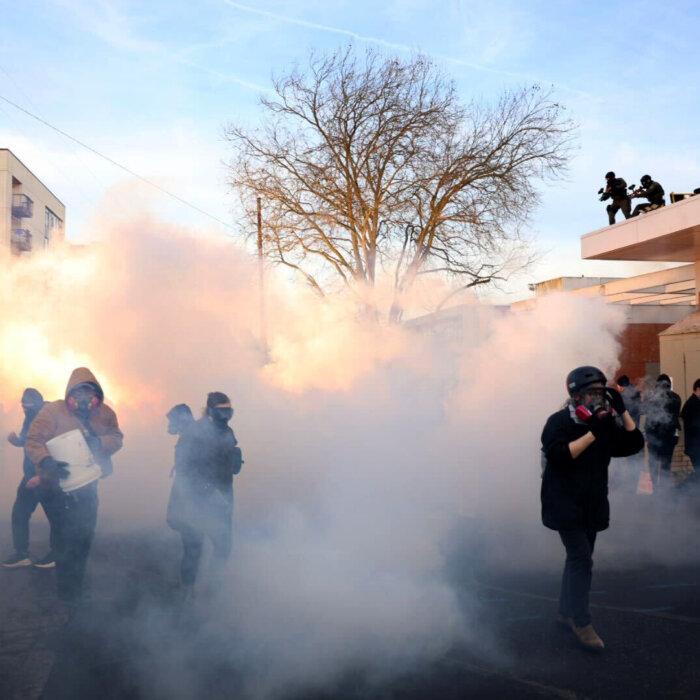

Officers are also barred from firing munitions at a person’s head, neck, or torso “unless the officer is legally justified in using deadly force against that person,” according to the injunction.
The injunction further restricts the use of pepper spray against a group in an indiscriminate way, where bystanders may be affected. Simon said pepper spray may be used only when the targeted person engages in violent, unlawful conduct, actively resists arrest, or when it is “reasonably necessary in a defensive capacity.”
The judge clarified that trespassing, refusing to move, or failing to comply with a dispersal order constitutes “acts of passive resistance,” not active resistance.
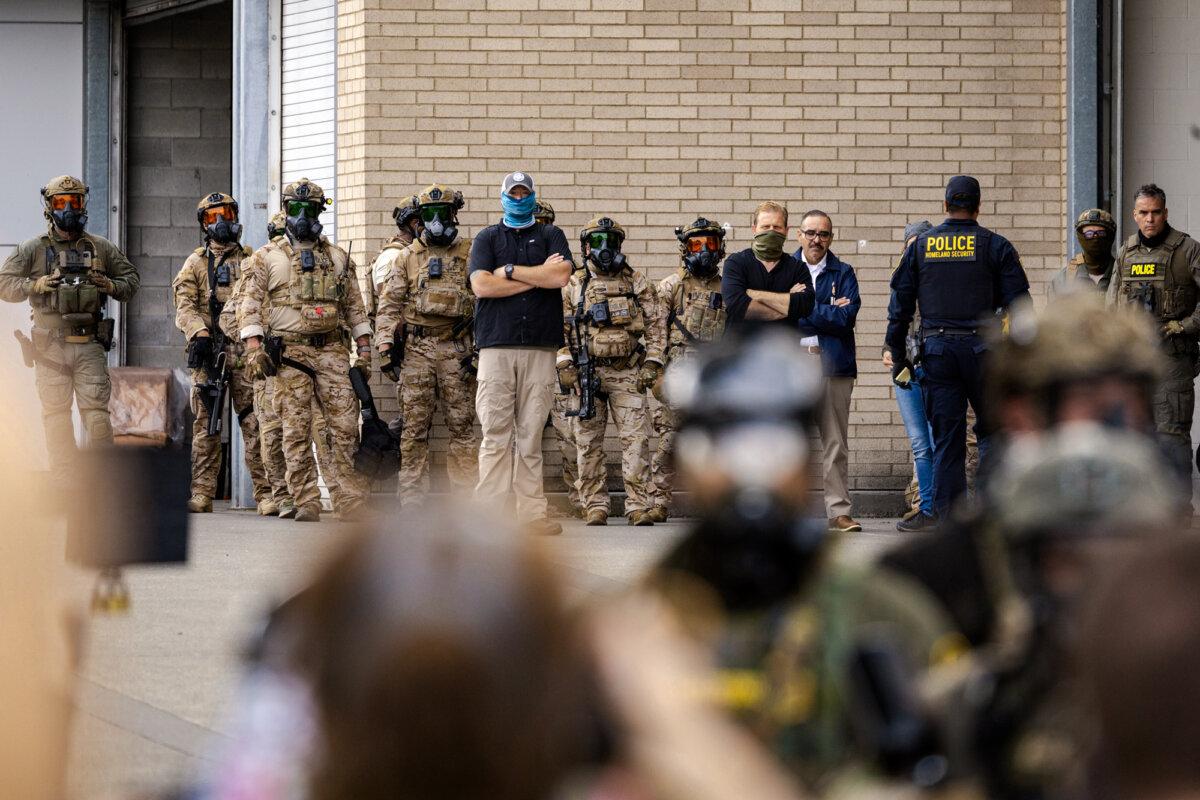
Simon also ordered both sides to confer on how the DHS can place unique identifying markings on “the uniforms, vests, and/or helmets” of the agents deployed at the Portland ICE building to ensure they can be identified from a reasonable distance without interfering with legitimate law enforcement needs.
“If the parties cannot reach agreement within 21 days, each party may submit its own proposal, and each side may respond to any other party’s proposal within 14 days thereafter,” he wrote, adding that the court will then resolve any resulting disputes.
Eri Andriola, litigation manager at the American Civil Liberties Union (ACLU) of Oregon, which represents the plaintiffs, issued a statement praising the judge’s decision.
“No one should be afraid to express dissent, to advocate for change, to support causes they believe in, or to document and report on the truth,” Andriola said. “This preliminary injunction ensures that the Trump Administration’s efforts to silence dissenters—and the journalists who report on that dissent—will not go unchecked.”