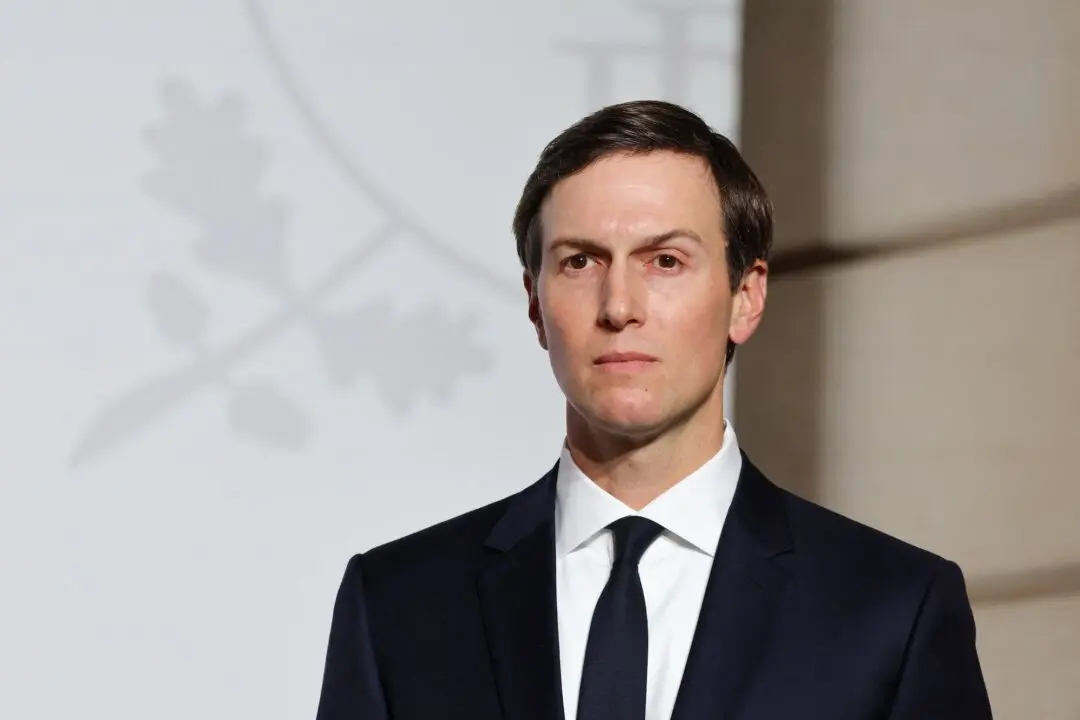
A New York state judge has dismissed terrorism charges against Luigi Mangione, accused of fatally shooting UnitedHealthcare CEO Brian Thompson last December, but ruled the case will proceed on an intentional murder charge and other counts.
“Counts 1 and 2, charging defendant with Murder in the First Degree (in furtherance of an act of terrorism) and Murder in the Second Degree as a Crime of Terrorism, are dismissed as legally insufficient,” Carro wrote. “The People presented legally sufficient evidence of all other counts, including Murder in the Second Degree (intentional).”
The ruling tosses two of the most serious charges but leaves intact the rest of the indictment, including intentional second-degree murder, weapons possession, and forgery. Mangione has pleaded not guilty.

After a several-day manhunt, Mangione was arrested at a McDonald’s in Altoona, Pennsylvania. Investigators said he was carrying a backpack containing the alleged murder weapon, ammunition, a fake New Jersey driver’s license, cash, and a red notebook. In one entry, Mangione allegedly wrote: “I finally feel confident about what I will do. The target is insurance. It checks every box.”
His defense team argued the backpack search was illegal because police lacked a warrant, and sought to suppress the evidence. The court granted hearings on the suppression motions but declined to dismiss the state case or put it on hold while federal proceedings move forward.
Mangione faces parallel prosecutions in three jurisdictions.
In Pennsylvania, the Blair County district attorney has charged Mangione with forgery, possession of an instrument of crime, and giving a false ID to an officer. He is scheduled to appear for a pretrial motion hearing there on Nov. 7.
Mangione’s lawyers say the overlapping state, federal, and Pennsylvania prosecutions put him in an “untenable situation” and violate the Constitution’s double jeopardy clause, which bars prosecution for two offenses based on the same act. The judge rejected arguments that the New York case should be dismissed or delayed, citing the “dual sovereignty” doctrine allowing separate prosecutions.
“As the United States Supreme Court has held, ‘where there are two sovereigns, there are two laws, and two offenses,’” Carr wrote. “A crime ‘against two sovereigns constitutes two offenses because each sovereign has an interest to vindicate.” [...] Thus, there is no double jeopardy violation.”
With the terrorism counts dropped, the case moves forward as a straightforward murder trial.