Ahmed, CEO of U.S.-based Center for Countering Digital Hate (CCDH), is a British citizen and a legal permanent resident of the United States.
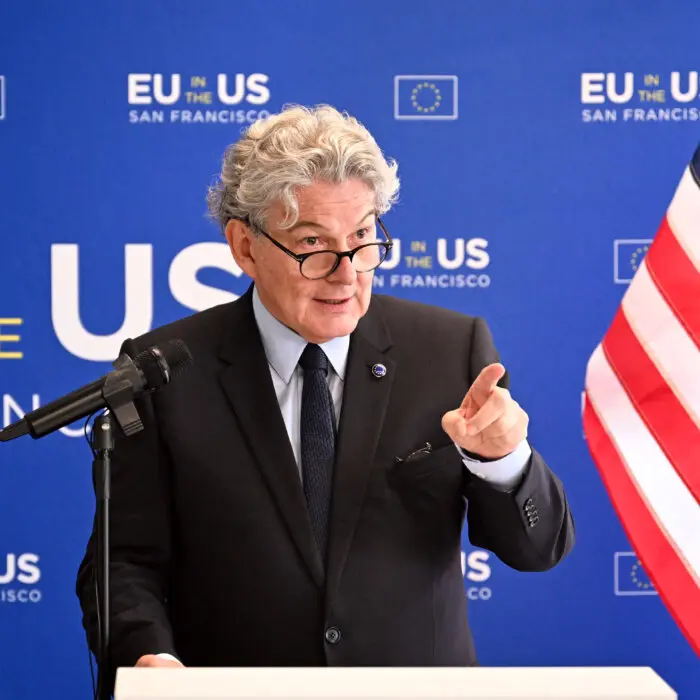
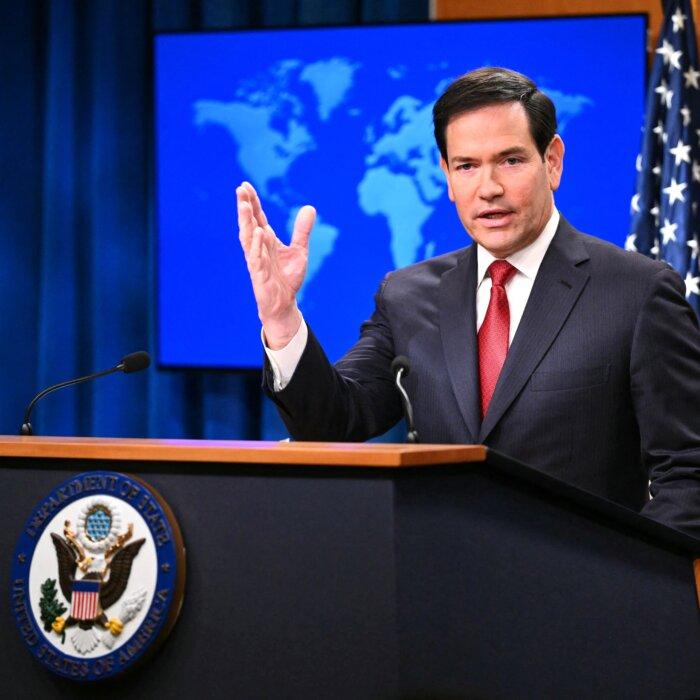
Secretary of State Marco Rubio announced the visa bans on Dec. 23 while condemning the EU’s Digital Services Act (DSA), naming several former EU officials, as well as prominent activists who had a part in formulating the DSA.
“Leaked documents from CCDH show the organization listed ‘kill Musk’s Twitter,’ and ’trigger EU and UK regulatory action' as priorities,” Rogers wrote.
“The organization supports the UK’s Online Safety Act and EU’s Digital Services Act to expand censorship in Europe and around the world.”
Ahmed argued in his complaint that the sanctions were political retaliation and violated the First Amendment.
“Immigration enforcement—here, immigration detention and threatened deportation—may not be used as a tool to punish noncitizen speakers who express views disfavored by the current administration,” the complaint said.
“Mr. Ahmed’s effort to protect children from social media dangers and harmful hate speech does not present ’serious foreign policy consequences’—any more than do the actions of the United Kingdom and European Union legislators who voted to pass the laws that Secretary Rubio apparently does not like,” the plaintiff argued in a separate court filing.
Ahmed is also arguing a violation of his due process rights under the Fifth Amendment, a violation of immigration laws by tying his speech and views to a cause for deportation, and that the executive branch has exceeded its jurisdiction. The complaint reaffirmed CCDH’s support for the DSA.
U.S. District Judge Vernon Broderick has set a hearing in the case for Dec. 29.
“The Supreme Court and Congress have repeatedly made clear: the United States is under no obligation to allow foreign aliens to come to our country or reside here,” a State Department spokesperson said.