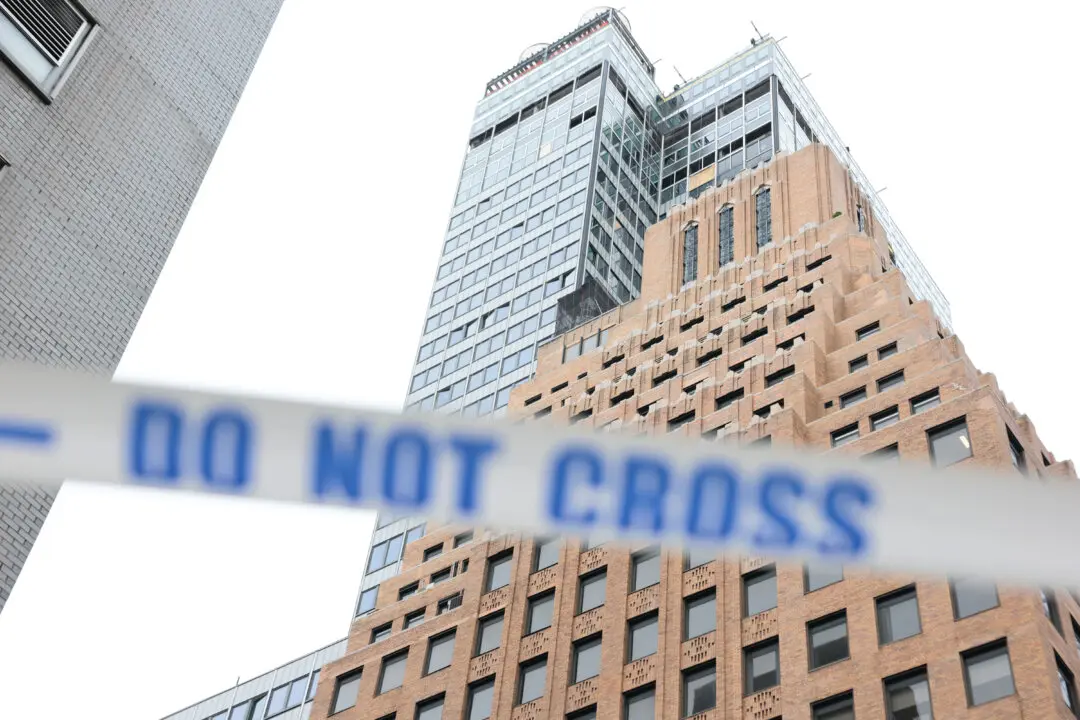
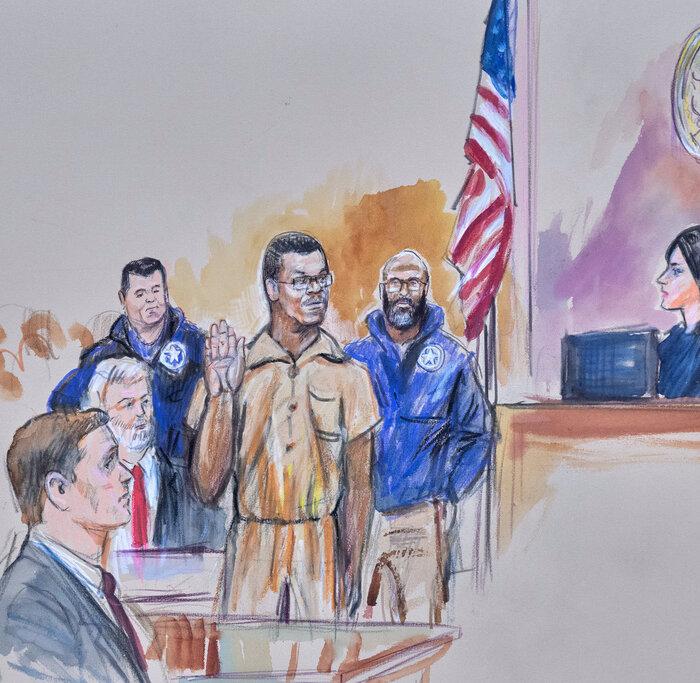
A federal judge on July 7 blocked the Department of Justice from obtaining the names and contact information for the people who worked on the 2020 election in Georgia’s most populous county.
The subpoena instructed Fulton County officials to provide the names, positions, residential addresses, emails, and telephone numbers of 2020 election workers, according to a copy filed with the court.
That included people who reviewed ballots received by mail and volunteers who helped with the election recount.
Fulton County officials said in the motion to quash the subpoena that it was the DOJ’s “latest effort to target and harass the President’s perceived political enemies—this time election officials, poll workers, and volunteers in Fulton County whom Donald Trump continues to disparage as he perpetuates his false claim that they ’stole' the 2020 election.”
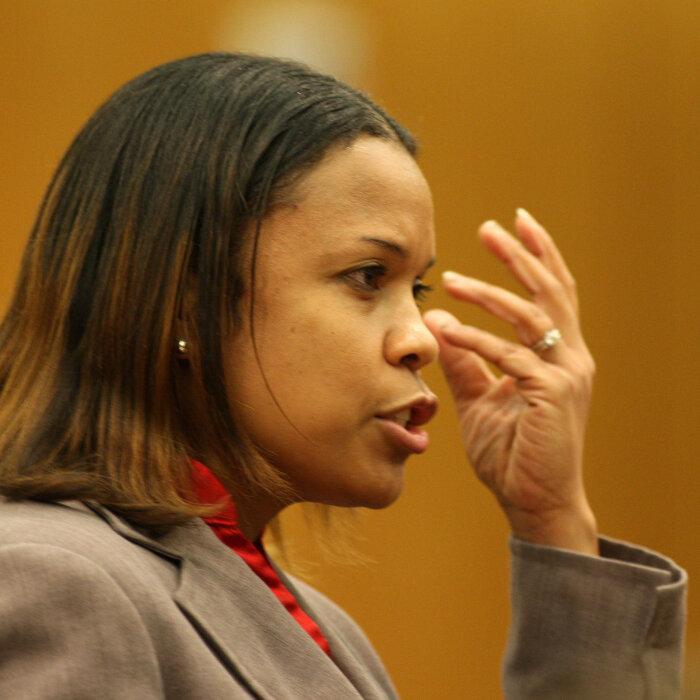
President Donald Trump, who lost to former President Joe Biden in Fulton County and Georgia in 2020, has alleged that the election there was rife with fraud.
DOJ lawyers said in a filing in response that the subpoena “seeks only one thing: records identifying persons reasonably likely to be able to shed light on the irregularities in the Fulton County 2020 election under investigation.”
DOJ officials offered to show the judge in a private setting findings of its analysis of ballots it seized from the county, which it said would “clarify the need for identification of potential witnesses across Petitioner’s in-person voting operations as well as couriers and central elections administration staff.”
Even absent that review, publicly available information, such as that the FBI was investigating missing images of ballots, duplicate ballots, and other issues, was sufficient to uphold the subpoena, they said.
Ray said that the sought-after records “would not lead to information that could be used to charge anyone with anything, at least not any viable charge,” because the statute of limitations has passed.
He said that he was not preventing “a continued inquiry” into allegations of irregularities, including by the DOJ, but only the usage of the grand jury.
“That this result is fitting is clear if one considers the alternative; otherwise, anyone in power (perhaps the next administration of a different party) could use the Grand Jury process similarly to subpoena personal information of citizens (perhaps that of their political opponents) with no legitimate law enforcement purpose,” he said.