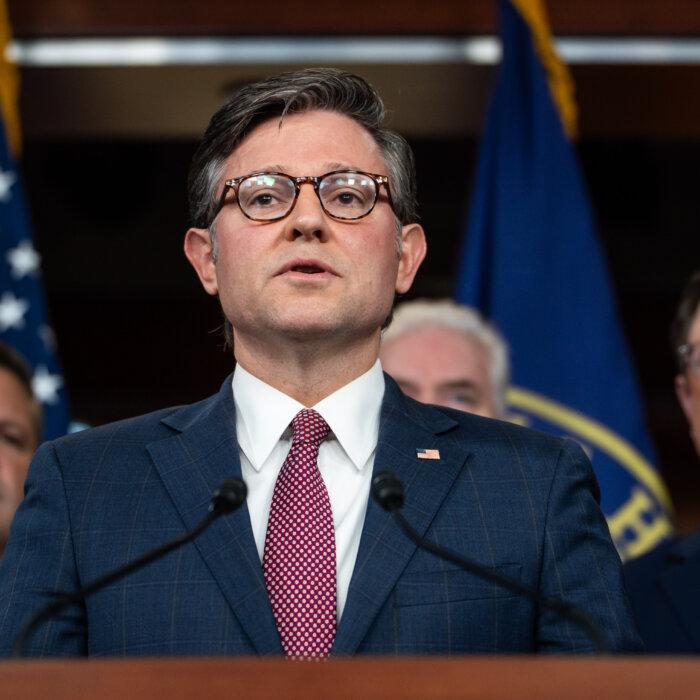
The Speaker of the House of Representatives Mike Johnson (R-La.) and the body’s Minority Leader Hakeem Jeffries (D-N.Y.) will participate in a televised debate about the ongoing U.S. government shutdown on the Cable-Satellite Public Affairs Network (C-SPAN).
Johnson and Jeffries have appeared separately on C-SPAN previously, with Johnson taking the public’s calls frequently to explain the Republican posture on the ongoing shutdown. Jeffries previously requested a debate with Johnson on the floor of the House to articulate the Democratic perspective on the situation, and Johnson did not respond to that offer.
“We’re going to try to get it scheduled,” Jeffries said in remarks quoted by C-SPAN in its announcement of the debate.
“Hakeem, let’s sit down together, OK?” Johnson said in remarks made and quoted separately.
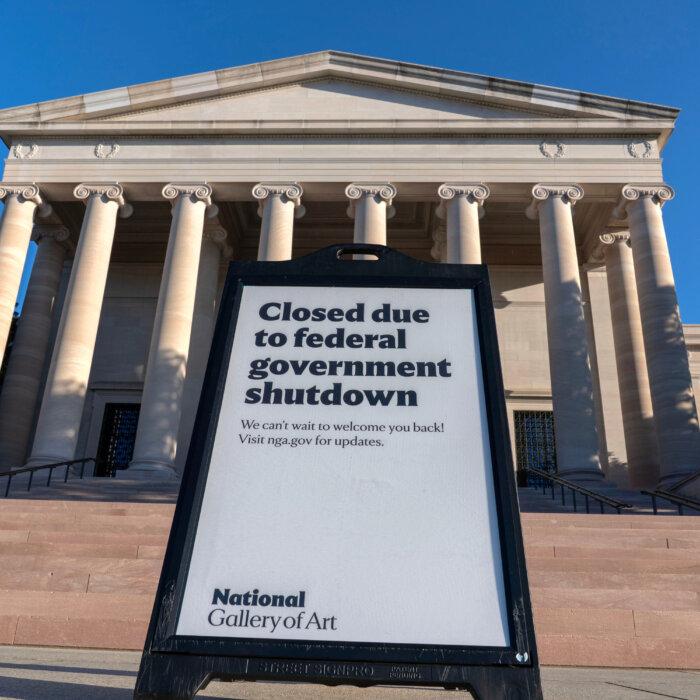
The House of Representatives has not held a regular session since Sept. 19, when it passed the Continuing Appropriations and Extensions Act of 2026—a temporary measure to fund the U.S. Government for three months until full-year spending bills could be negotiated and enacted. The Senate has not passed the same bill because, to advance to a final vote, the support of 60 senators is required according to that body’s rules, and only 55 have supported the bill so far.
Democrats in both houses of Congress have demanded that any temporary funding measure include an extension of health insurance subsidies enacted by the Patient Protection and Affordable Care Act of 2010, known as Obamacare. Those subsidies, many in the form of tax credits, will expire on Dec. 31 of this year.
The government funding authorized by the House-passed bill would have expired on Nov. 21. In contrast, Democrats have introduced their own bill with the Obamacare subsidies and other measures included, which Republicans have opposed. The GOP, historically opposed to Obamacare, has said that its subsidies are a separate policy question from government funding and should be addressed after the government reopens.
Several backbench members of both the House Republican Conference and House Democratic Caucus have dissented from their leaders’ positions.
Rep. Jared Golden (D-Maine) wrote on social media, blaming his own party for the situation: “This government shutdown is the result of hardball politics driven by the demands far-left groups are making for Democratic Party leaders to put on a show of their opposition to President Trump.
“This fight is ostensibly about health care ... normal policy disagreements are no reason to subject our constituents to the continued harm of this shutdown.”