“The market is pricing a 20 percent chance. I would price in a 40–50 percent chance,” he said.
“I would put that as a cause for concern.”
Dimon said his calculation of a higher probability was based on price pressures, citing tariffs, the U.S. government’s immigration policies, and its budget deficit as inflationary.
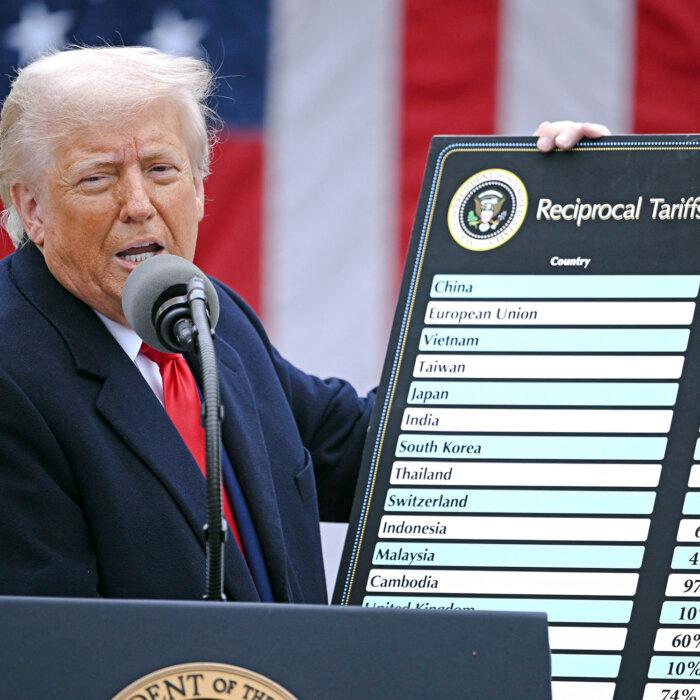
Regarding tariffs, the Trump administration has been sending out letters to numerous countries over the past days in an attempt to finalize some agreements before the Aug. 1 deadline.
Typically, when tariffs are implemented across the board on all trade partners, price increases are inevitable as sellers offset costs by transferring some of it onto customers.
The Trump administration is trying to mitigate an increase in prices by incentivizing manufacturers to set up shop in the country, and by removing longstanding trade barriers that have hindered U.S. access to foreign markets, which boosts the domestic economy.
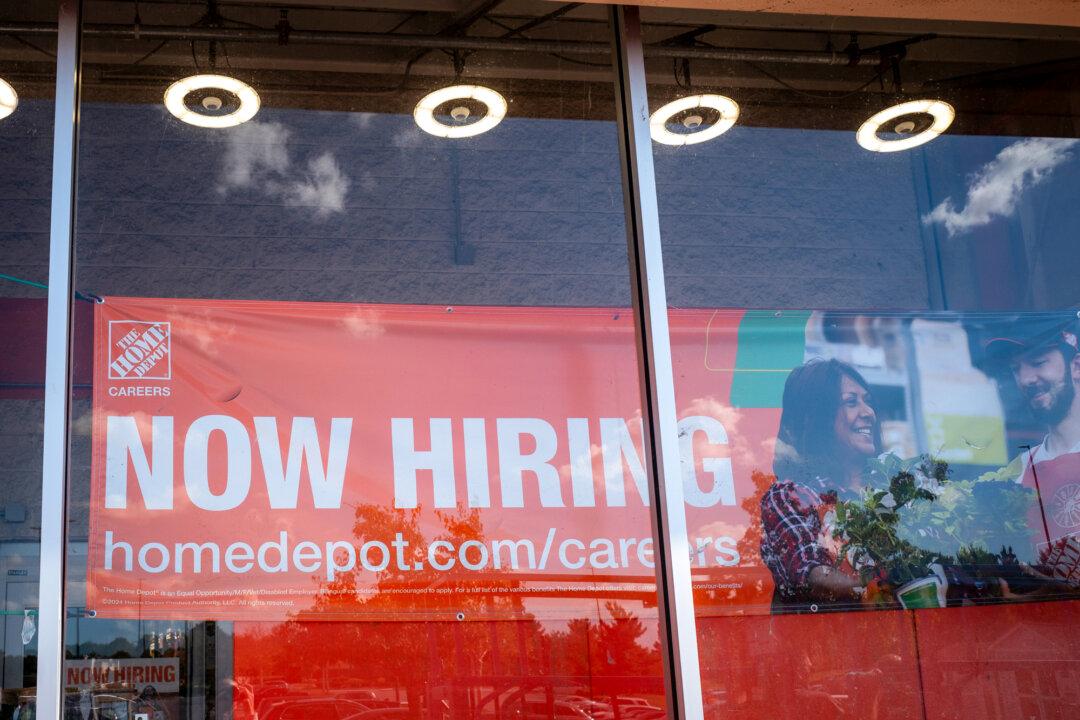
The administration’s policies have, thus far, sustained prices and boosted employment in the economy.
“The June jobs report is like a summer blockbuster—plenty of action and a surprise twist. Despite tariffs, [Washington] D.C. drama, and global headwinds, the U.S. labor market just pulled off a better-than-expected performance,” Gina Bolvin, president of Bolvin Wealth Management, said in an email to The Epoch Times.
These numbers, Bolvin says, suggest that “Main Street is still marching forward—even if Wall Street keeps glancing nervously at the Fed.”
However, Dimon cited the restructuring of global trade and global demographics as “kind of inflationary,” and described real-time data on the U.S. economy as “totally impossible to read.”
“Unfortunately I think there is complacency in markets, and (they are) a little desensitized,” he said.