The IRS will soon implement a new process that automatically provides penalty relief for taxpayers with a history of filing returns and paying tax dues on time.
To qualify for the yearly Automatic Exemption from Penalty (AEP), taxpayers must have made timely filings and payments in the three prior years or 12 consecutive quarterly returns, the IRS said in a July 8 statement. If an individual qualifies, penalties are not assessed when the individual fails to file, pay, or deposit taxes on time. Taxpayers do not need to take any action to get AEP. If eligible, the IRS will automatically apply the eligibility and issue a notice that the relief has been granted.
Not all tax filings are eligible for AEP. Information returns and returns filed in response to specific transactions or infrequent returns, such as gift tax or estate tax returns, are generally not eligible for the new relief.
AEP will apply to eligible returns starting in tax year 2025 and 2026 quarterly returns. The relief system will replace the long-standing First Time Abate (FTA) administrative relief.
FTA relief is granted to taxpayers with at least three years of timely compliance history.
To obtain relief, taxpayers had to contact the IRS, and the agency would review the account information to affirm eligibility.
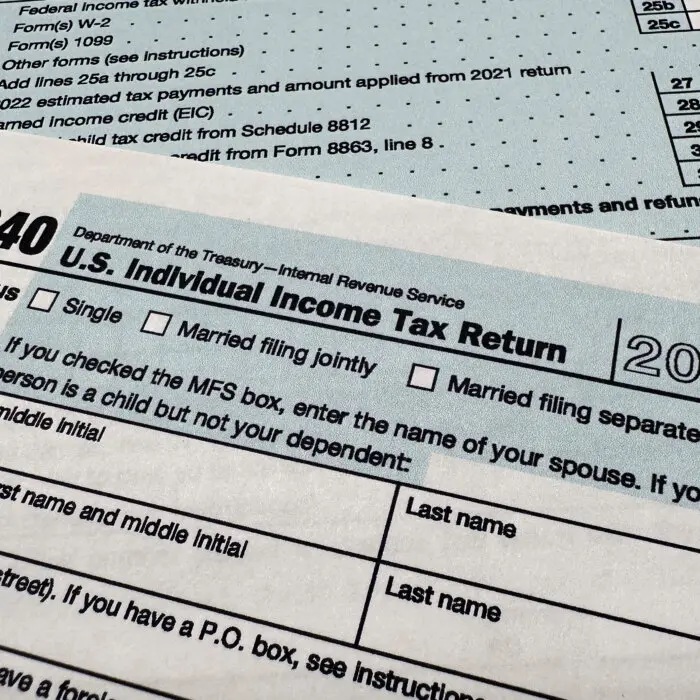

With FTA, the IRS had to first assess the penalty applicable to a taxpayer and then remove it, complicating the process for the agency.
In its latest statement, the IRS said it will start phasing out FTA and transition to AEP this summer. During the transition, some taxpayers who qualify for AEP may still receive a penalty notice for the 2025 and 2026 returns. In such a scenario, they can contact the IRS and request FTA relief.
“Automatic Exemption from Penalty reflects the IRS’ commitment to making the payment of taxes owed simpler and more consistent,” IRS CEO Frank J. Bisignano said in a statement.
“By automatically applying penalty relief, the IRS recognizes that taxpayers who historically pay on time should not have to make a formal request for relief that is routinely granted.”

Taxpayers who do not qualify for AEP can still request penalty relief if there is a “reasonable cause” for delays in filing or paying taxes, according to the agency.
The IRS will determine whether the “reasonable cause” claim is valid on a case-by-case basis, the IRS said in a June 21 update.
Some valid reasons for failing to file or pay on time include an inability to obtain relevant tax records, natural disasters or civil disturbances, death or serious illness of a taxpayer’s immediate family member, and system issues that forced the taxpayer to file or pay late.
HR 5346, the Fair and Accountable IRS Reviews Act, concerns the supervisory approval that is necessary for IRS agents to impose certain federal penalties.
An IRS employee can impose such penalties on a taxpayer after gaining authorization from their immediate supervisor.
IRS agents can therefore “shop around for sympathetic supervisors,” according to a fact sheet from the House Committee on Ways and Means. The definition of an “immediate supervisor” is so broad that IRS agents “can obtain approval to apply tax penalties on taxpayers from virtually any other employee.” Such actions weaken taxpayer protections, the fact sheet said.
The bill clarifies that an immediate supervisor should be the person to whom the IRS agent, making a penalty determination, reports. The bill was passed in the House of Representatives. It is currently in the Senate and referred to the Committee on Finance.