College internships could be the key to helping new graduates secure their first full-time job after graduation.
A June 16 report from the National Association of College and Employers (NACE) indicates that 55 percent of students who participated in a paid internship prior to graduation received at least one employment offer. Additionally, those students were offered higher starting salaries, with an average of $69,521 compared with $61,747 overall.
Overall, the study found that about 44 percent of graduates had at least one job offer before graduation, and that Class of 2026 bachelor’s degree graduates averaged 0.79 job offers. While that figure is consistent with the Class of 2025, it remains well below the hiring pace seen among graduates in 2022 and 2023, the report notes.
“Taking part in a paid internship provides the student with a distinct advantage regardless of the job market,” the report notes. “While students can’t control the job market, there are things they can do to better position themselves for it.”
NACE attributes the upswing in employment for those students to the fact that they can be given “real work” during an internship, so they gain valuable experience that is attractive to employers.
On its website, the University of Miami Herbert Business School notes that internships are no longer just “nice to have” on a resume, but are quickly becoming a prerequisite for getting a job. “They offer opportunities for personal growth, exploration, and self-discovery, allowing you to step out of your comfort zone and delve into new interests and aspirations,” the website states.

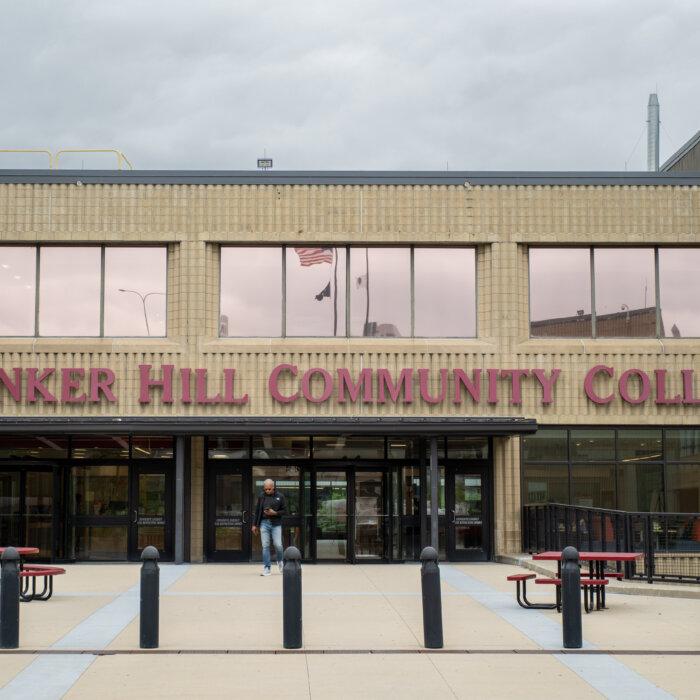
Paid internships are becoming more common, although unpaid internships still exist, especially in highly competitive fields such as entertainment, journalism, and the arts, according to the website. Employers also tend to favor on-site over remote internships, as on-site internships provide opportunities for personal interaction, hands-on experience, and immersion into a company’s culture.
Generally, the NACE report notes, graduates are optimistic about their job prospects, with about 56 percent giving positive feedback.
For all students, NACE highlights the importance of translating classroom work, part-time jobs, or volunteer activities into language that will appeal to employers. “More and more employers are focusing on skills—not GPA—when they are hiring,” the report states.
According to a May 21 report from the Economic Policy Institute, 85 percent of college graduates are currently working in occupations that have experienced strong growth in recent years. The Washington-based nonprofit think tank also found that 62.8 percent of graduates are employed in professional, management, business, and financial occupations.
Employers surveyed by NACE also stressed that graduates should learn how to use artificial intelligence (AI) properly and ethically, meaning it should complement their work, not replace it.
Conducted from March 12 to May 15, 2026, NACE’s Student Survey involved more than 17,000 students from 258 colleges and universities nationwide.