Multiple food delivery companies, such as DoorDash and Instacart, announced they will provide deep discounts or launch food assistance programs for customers who receive food stamps, as the program is slated to run dry on Nov. 1 due to the ongoing government shutdown.
The U.S. Department of Agriculture (USDA) has warned that starting next month, the Supplemental Nutrition Assistance Program (SNAP) won’t send benefits to people receiving assistance via the federal program.
The delivery company added that both initiatives amount to $5 million in direct relief during the SNAP funding lapse.
“We’re committed to ensuring every family in every community can put food on the table,” Dani Dudeck, the chief corporate affairs official at Instacart, said in a statement. “As SNAP funding faces unprecedented disruption and food banks brace for longer lines, we’re focused on practical, immediate solutions: helping families who use SNAP stretch their grocery dollars and helping food banks stock up to support their communities.”
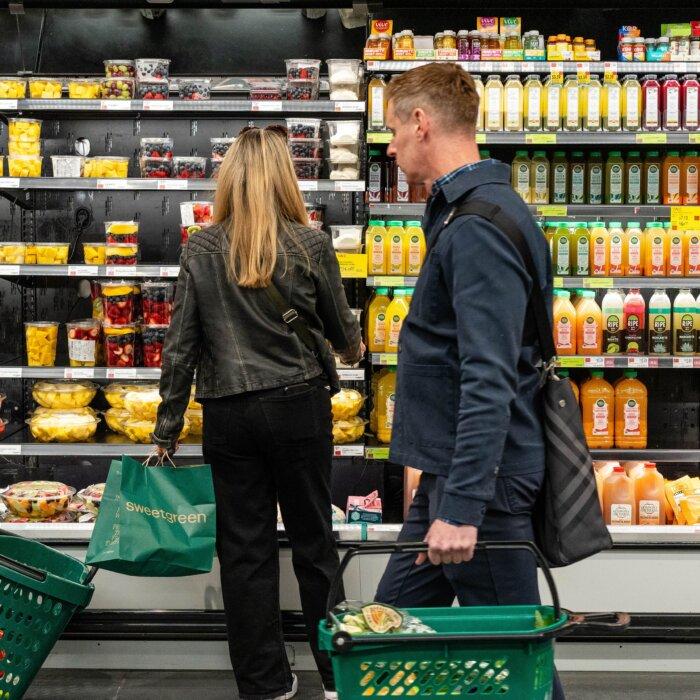

DoorDash stated that more than 2.4 million customers have a SNAP or EBT card linked to their DoorDash account.
Instacart didn’t immediately say how many of its customers receive SNAP benefits. The company began accepting online SNAP payments in 2020. It offers discounted memberships for SNAP recipients and zero delivery fees on orders above $35.
Gopuff, another food delivery company, said it is donating up to $10 million in free groceries and offering two $25 credits for SNAP customers with free delivery. That program starts on Nov. 1, it said.
On Wednesday, Louisiana, New Mexico, and Vermont became the latest states to announce help for low-income households that rely on the funds to eat. They join states from New York to Nevada in scrambling to find ways to get food to people who are increasingly anxious and will otherwise go hungry without their normal monthly SNAP payments.
Meanwhile, New Mexico Gov. Michelle Lujan Grisham announced on Wednesday that her state would provide $30 million in emergency food assistance to residents through EBT cards, temporarily backfilling SNAP benefits.
The shutdown started on Oct. 1 after members of Congress were unable to pass a stopgap measure to fund the government, with Democrats saying that any measure to reopen the government must include an extension of pandemic-era health care subsidies due to expire at the end of the year. Republicans say that talks on health care should be initiated only after the shutdown ends.