It is another milestone in the decades-long trend of increasing reliance on food imports. Historically, this has been blamed on everything from high volumes of food waste to a booming population, but insiders say profitability is the main roadblock keeping the United States reliant on foreign foods.
“I think the biggest problem is not the model, but growing season, economics, profits, [and] market demand,” David Anderson, professor and extension specialist for livestock and food product marketing at Texas A&M University, told The Epoch Times.
When asked what would need to change in the U.S. agricultural model to pivot the nation toward growing more crops for domestic consumption, Anderson said: “I think we can physically grow more vegetables, but are they what people want, when they want them, and at a profitable price? Marketing windows prevent some crops from being profitably grown.
“We often have higher costs than crops from other countries.”
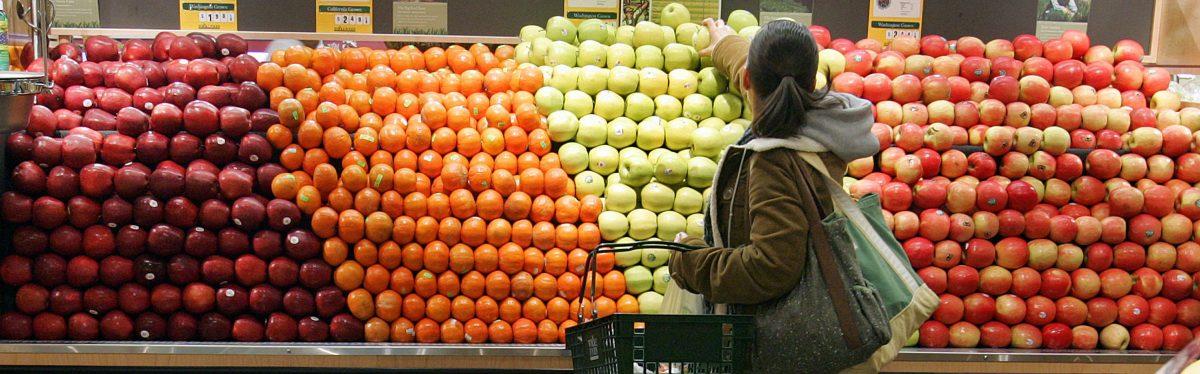
Major agricultural producers such as Mexico, China, Brazil, and India have looser regulations, long growing seasons, and cheap labor, making a lot of the production costs lower than in the United States. That is why imported food has generally been cheaper than its domestic competition.

“Farmers produce what is most profitable,” Anderson said.
“Profits are not only determined by price and production costs but what they can actually grow. Not all crops can be grown everywhere.
Double-Edged Sword
Troubles with turning a profit have led to a sharp decline in homegrown fruits and vegetables over the past few decades. The USDA has observed steady growth in imported fresh produce since the mid-1990s.However, Anderson pointed out that trying to scale up domestic production and decrease reliance on imports is a double-edged sword.
“Imports make food cheaper for consumers,” he said. “If we were to ban or curtail food imports, we would find a lot more seasonality in our food choices at the store. Imports allow us to have year-round supplies of many fruits and vegetables. I think that is good for consumers, too.”
But the soaring imports are not limited to fresh produce. The volume of foreign grains, meat, and dairy entering the United States has also risen in the past 10 years.
Moreover, Anderson pointed out that not all U.S. produce is grown for direct consumption, but for other products. He gave the example of domestically produced tomatoes, many of which go into other items such as sauces or soups, cutting down on the number of actual tomatoes available to meet fresh market demand.
At the end of the day, Anderson said, what producers grow is dictated by dollars and cents.
“We might grow a lot more things if [market] prices were high enough,” he said. “But that creates a problem for consumers: To get the price high enough to produce them would mean few could afford them.”
Aaron Ristow, senior agricultural specialist at American Farmland Trust, also said he thinks that high input costs keep U.S. farmers from scaling up domestic food production.
“Other countries don’t have to pay as much, so their products can be bought cheaper here,” Ristow told The Epoch Times. “I think we’re able to compete, but the cheaper labor and lack of regulations other countries have would be a threat.”
Ristow, who works with farmers in New York state, said there is no shortage of hurdles to increasing domestic food production.
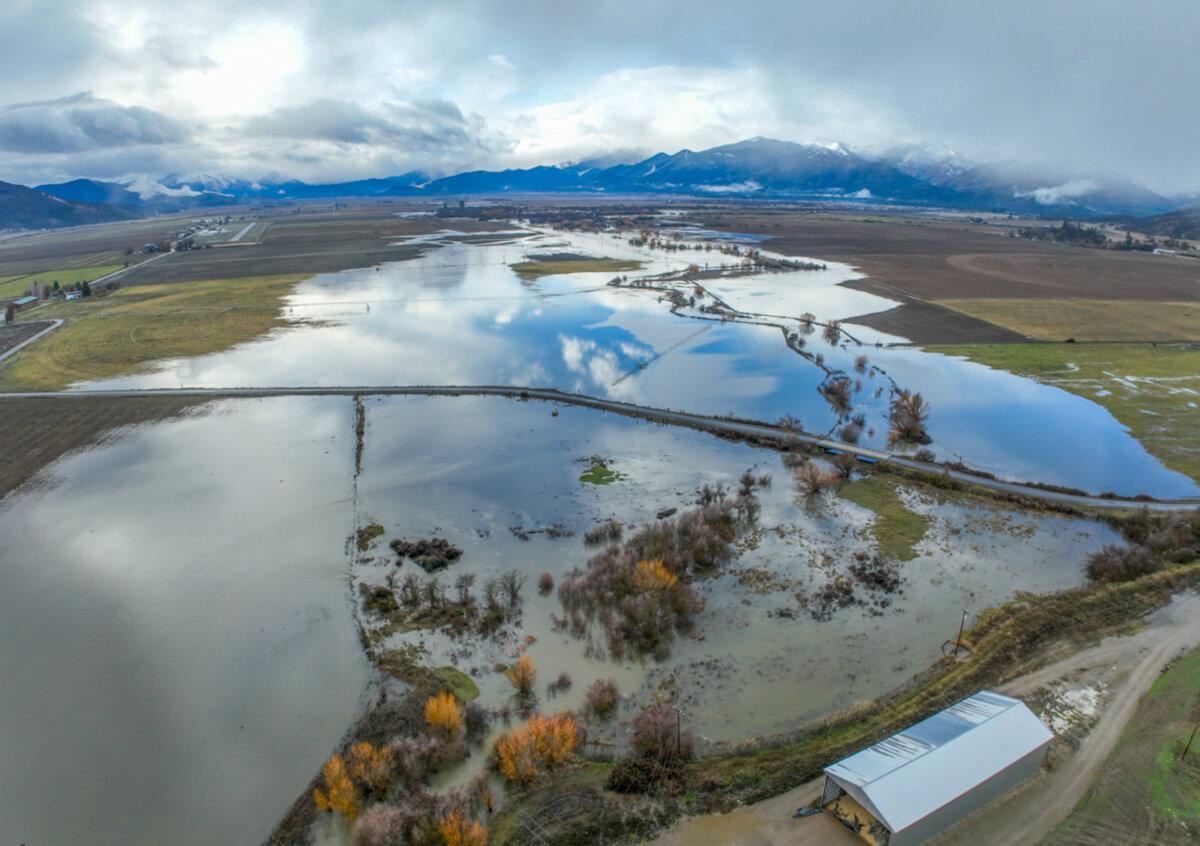
“There’s things like extreme weather conditions,” he said. “Even if we’re getting the same amount of rainfall, we get extended dry periods, then a lot of intense rain suddenly. The runoff and erosion are problematic and can wipe out crops.”
Ristow noted that farms are increasingly under fire from urban expansion. He said many farmers deal with consistent complaints about the noise of farm machinery and the smell of animals.
“People buy a house because they like the views of the countryside, but they don’t like the smell of manure or getting stuck behind farm equipment while driving down the road,” he said, calling it an “invisible wall” for U.S. farmers.
Cost-Price Squeeze
When it comes to federal subsidies for struggling farmers, Ristow said there are roadblocks there, too.“There’s money out there, but more financial support for farmers is needed as they transition into a more sustainable system,” he said.
Anderson agreed that farmers are in a tough spot.
“I think all of our crop farmers are struggling financially, commodity prices are low,” he said. “While production costs have increased, the prices for the crops we sell have not increased. That has created a cost-price squeeze.”
“The U.S. Department of Agriculture’s Agricultural Marketing Service (AMS) works to improve domestic and international opportunities for U.S. growers and producers,” a USDA spokesperson told The Epoch Times. “AMS works with a variety of organizations to support rural America and the nation’s agricultural sector.”
Claims that large-scale producers of corn, soy, wheat, cotton, and rice receive the lion’s share of available federal money have been ongoing for years.
With a growing list of financial burdens, many family-owned farms are passing into new hands as the older generation retires, Ristow said.
“A lot of the time, the children or other family just aren’t interested in farming,” he said, noting that farmland is being lost at a “high rate.”
Much of this retired farmland is passing to urban developers, which complicates any future possibility of using the land for crops.
“Even if the businesses go out of business, you don’t have the same topsoil anymore,” Ristow said. “All the life is removed.”