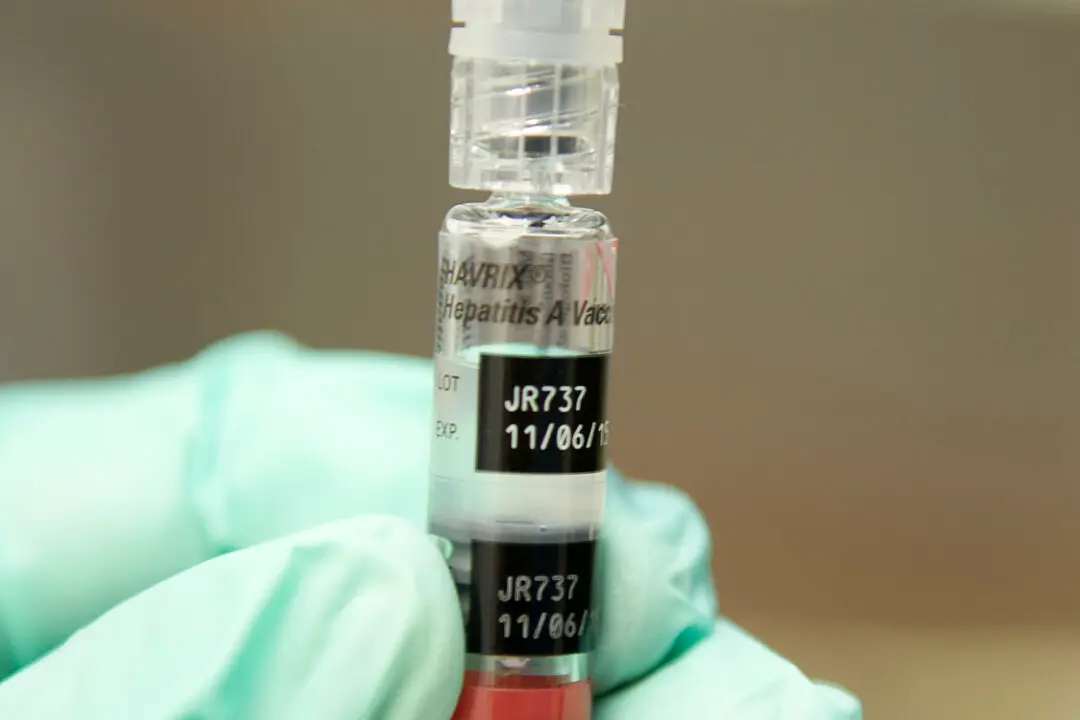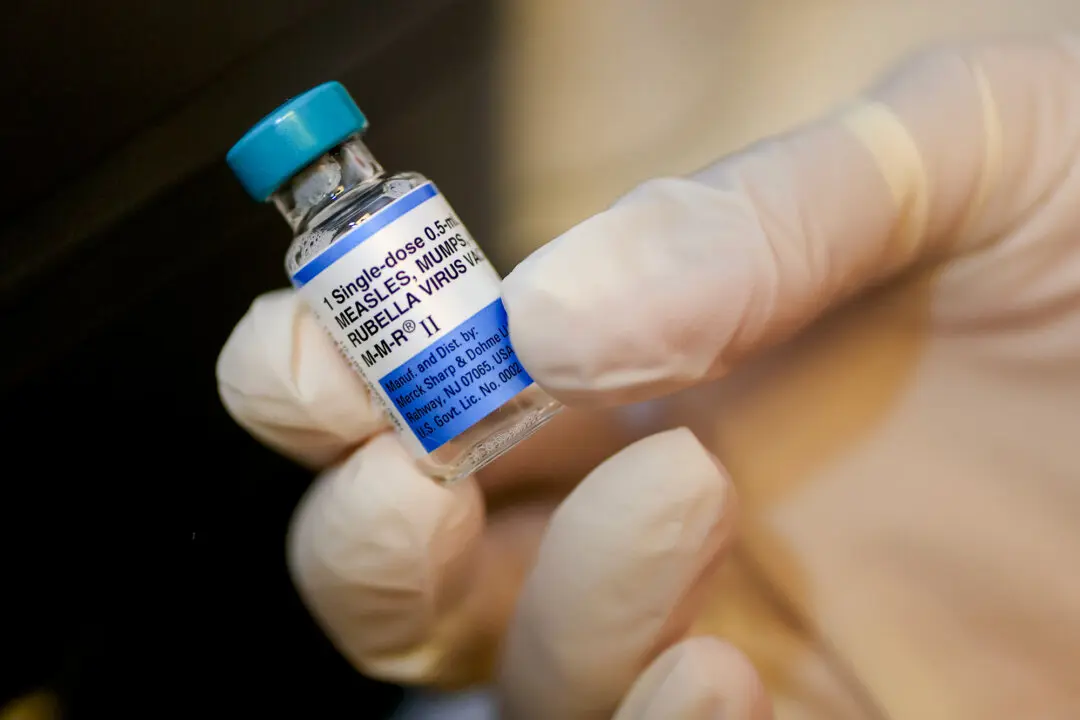
The market for influenza vaccines in the United States will at some point rebound, one of the manufacturers of the shot predicted on Nov. 4.
“When you overlay the hospitalization trends, what you see is a clear correlation between the reduced immunization rates and the higher disease burden,” Dave Ross, senior vice president and general manager of CSL Seqirus, told investors.
“This past flu season represented the worst influenza season in the past 15 years. So what we know is that disease is rising while immunization rates are declining. What we don’t know yet is when that rising burden of disease will trigger the change in behavior that’s needed to see immunization rates recover. In the end, we feel very strongly that science and data will prevail and the public health consequences will ultimately be too big to ignore.”
Rates of influenza vaccination peaked both inside and outside the United States early in the COVID-19 pandemic, when the shots were provided to many patients in hospitals, Ross said this week.
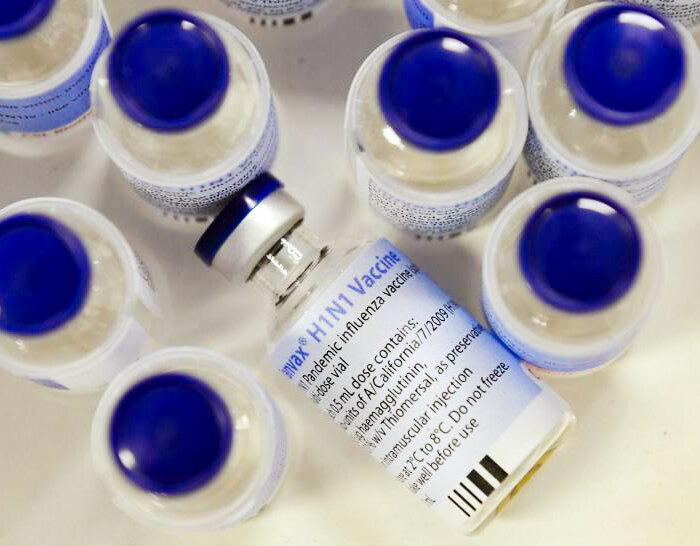
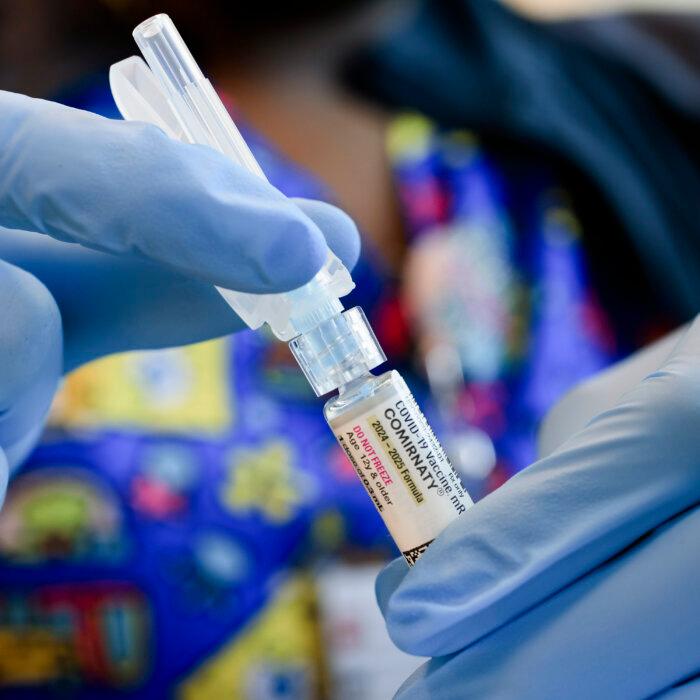
Although most markets have seen steady demand, “the U.S. is experiencing significant vaccine fatigue,” he said.
“That’s led to a decline in immunization rate levels far below what was routine prior to the pandemic,” Ross said. “Now this immunization rate decline equates to about 60 million fewer people being immunized each year. This is, quite honestly, a staggering number from a public health perspective, one that will not go without real consequences in cost from a public health perspective.”
Ross alleged that misinformation and disinformation about vaccine safety and effectiveness are driving lower vaccination rates but that patient advocacy groups, medical societies, and others are combating the problematic information. He said that Seqirus is supporting the efforts by providing evidence on the benefits of its influenza vaccine.
“Immunization rate recovery is important to the growth of our business and the overall market,” he said.
In the annual report, CSL said that it is working on expanding its vaccine portfolio beyond influenza vaccines, including with a self-amplifying messenger ribonucleic acid (mRNA) COVID-19 vaccine that has been cleared in Japan and Europe.
“CSL is excited about its self-amplifying mRNA technology that CSL hopes will lead to the next generation COVID-19 vaccine,” it stated.