Indiana Gov. Mike Braun, a Republican, on Oct. 27 called for state lawmakers to return to Indianapolis for a special session to redraw the state’s congressional districts in an escalation of a growing multi-state, mid-cycle redistricting showdown.
President Donald Trump has increased pressure on Republican governors to call special legislative sessions to draw new congressional maps to give the GOP additional House seats in next year’s midterms, a key election in which the incumbent party in the White House historically loses seats in Congress.
The multi-state redistricting battle kicked off with Texas and Missouri, and now California Democrats have responded with a voter proposition to consider their own redistricting plan to blunt the GOP’s impact.
While lawmakers in Indiana had been more hesitant about redrawing their congressional maps and had held off for weeks on engaging in the effort, Braun is now calling for the Indiana General Assembly to convene on Nov. 3.
The plan would likely involve targeting the state’s First Congressional District that spans Gary and nearby cities in Indiana’s northwest corner near Chicago. Rep. Frank Mrvan (D-Ind.) has held the seat for three terms and is running for reelection next year.
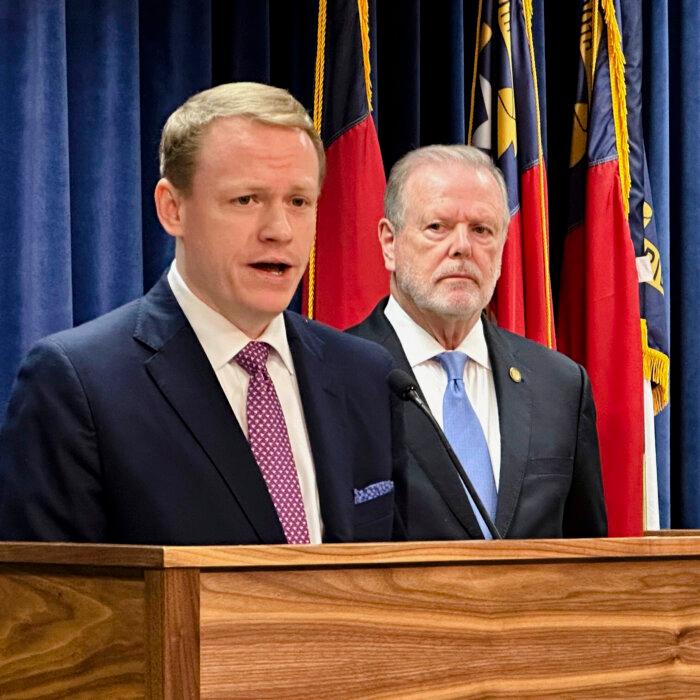
He criticized Braun’s plan in a series of social media posts.
It is not clear whether enough of the state’s Republican-controlled Senate will support the new maps, but the White House has, for months, hosted multiple meetings with holdout Indiana lawmakers.
In August, Vice President JD Vance first met with Braun and state legislative leaders in Indianapolis, and weeks later, Trump met privately with Speaker of the Indiana House of Representatives Todd Huston and Indiana Senate President Pro Tempore Rodric Bray in the Oval Office. On the same day, Vance spoke to state lawmakers who were visiting Washington.
While the meetings did not yield many specifics from the teams involved, Bray confirmed that redistricting was discussed.
Republican state Sen. Liz Brown confirmed that she had visited the White House while posting to social media on Aug. 26.
Vance returned to Indianapolis to meet again with Braun and Republican members of the state House and Senate on Oct. 10.
However, the Indiana Senate may lack the votes to pass a new congressional map, a spokesperson for Bray said on Oct. 22, casting doubt on whether a special session would be successful.
Braun had also previously said he preferred to wait to call a special session until he was confident that enough lawmakers would support the new map.
Some have backed the efforts, but other state Republican lawmakers have voiced opposition to the plan since August, suggesting that it is too costly and politically risky.
Following his meeting with Vance in August, Indiana state Rep. Craig Haggard, a Republican, said in an interview that the vice president’s argument wasn’t “strong-armed” and that there still isn’t a wide consensus among Republicans in the state legislature.
“I don’t think we’ll really know until we get into a session and see some actual maps,” Haggard said at the time.
Other Republicans in the Indiana Legislature have expressed clear opposition to mid-cycle redistricting.
“We are being asked to create a new culture in which it would be normal for a political party to select new voters, not once a decade—but any time it fears the consequences of an approaching election,” Indiana state Sen. Spencer Deery said in a statement on Aug. 13.
After adopting them four years ago, Indiana’s Republican legislative leaders praised the state’s existing congressional boundaries.
“I believe these maps reflect feedback from the public and will serve Hoosiers well for the next decade,” Bray said at the time.
Usually, states begin redrawing congressional district boundaries every 10 years after the new census is completed. The previous census concluded in 2020, but multiple states are now redrawing their maps on partisan lines after Texas, at Trump’s request, bucked tradition this year by redrawing its maps mid-cycle before the next census.
Because the process occurs mid-cycle, efforts by states such as Indiana to redistrict before the next census could be met with court challenges from opponents.
In Indiana, state lawmakers have the sole authority to draw congressional maps. The GOP holds supermajorities in both chambers, so Democrats would not be able to halt the session by withholding their attendance, as they briefly did in Texas.