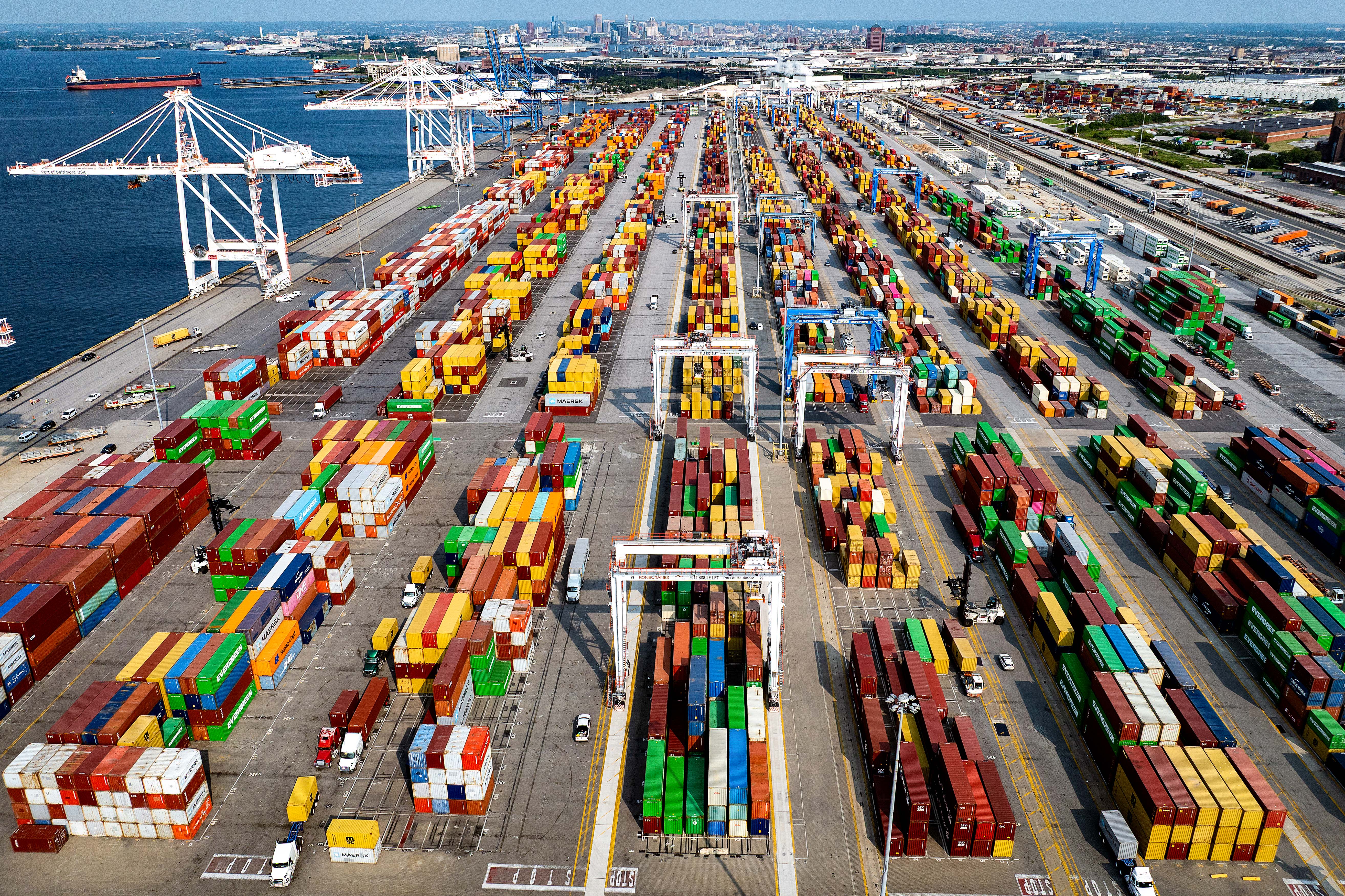

The decision applies to a set of tariffs implemented under an emergency powers law, called the International Emergency Economic Powers Act (IEEPA).
IEEPA tariff measures include reciprocal tariffs on all countries, fentanyl tariffs on China, Mexico, and Canada, transshipment tariffs on Canada, Russian oil, and Venezuelan oil tariffs on India, free speech tariffs on Brazil, and trade deals with foreign countries.
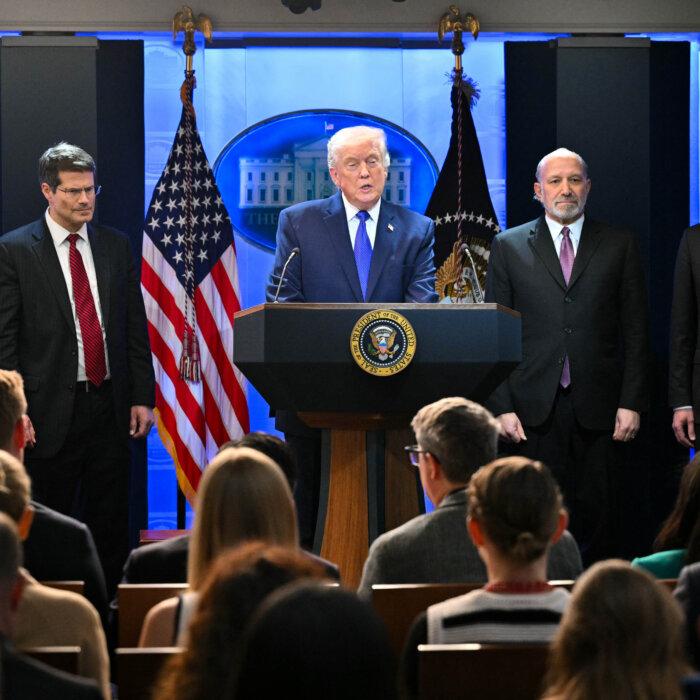
Treasury Secretary Scott Bessent said on Friday that the agency projects this alternative tariff plan to result in “virtually unchanged tariff revenue” this year.
Tariff Revenue
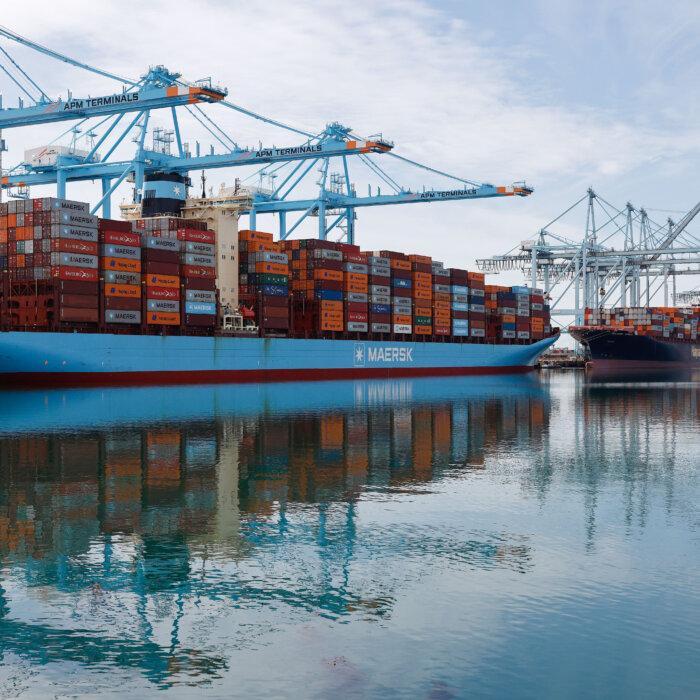
Total U.S. tariff revenue more than doubled in fiscal year 2025 from the year before.The revenue from the tariffs struck down by the Supreme Court exceeds the total U.S. tariff revenue collected in fiscal year 2024.
Breakdown of IEEPA Tariff Revenue
Most of the IEEPA tariff revenue—nearly 90 percent—was from reciprocal tariffs on all countries and fentanyl tariffs on China, according to data from U.S. Customs and Border Protection.The reciprocal tariffs accounted for 61.2 percent of total IEEPA tariff revenues as of Feb. 20. The fentanyl tariffs on imports from China accounted for 28.4 percent of the IEEPA tariff revenues.
The rest of the revenue—tariffs on imports from Mexico (fentanyl tax), Canada (fentanyl and the transshipment penalty), India (Russian and Venezuelan oil tax), Japan (trade deal), and Brazil (free speech tax)—accounted for 10.4 percent.