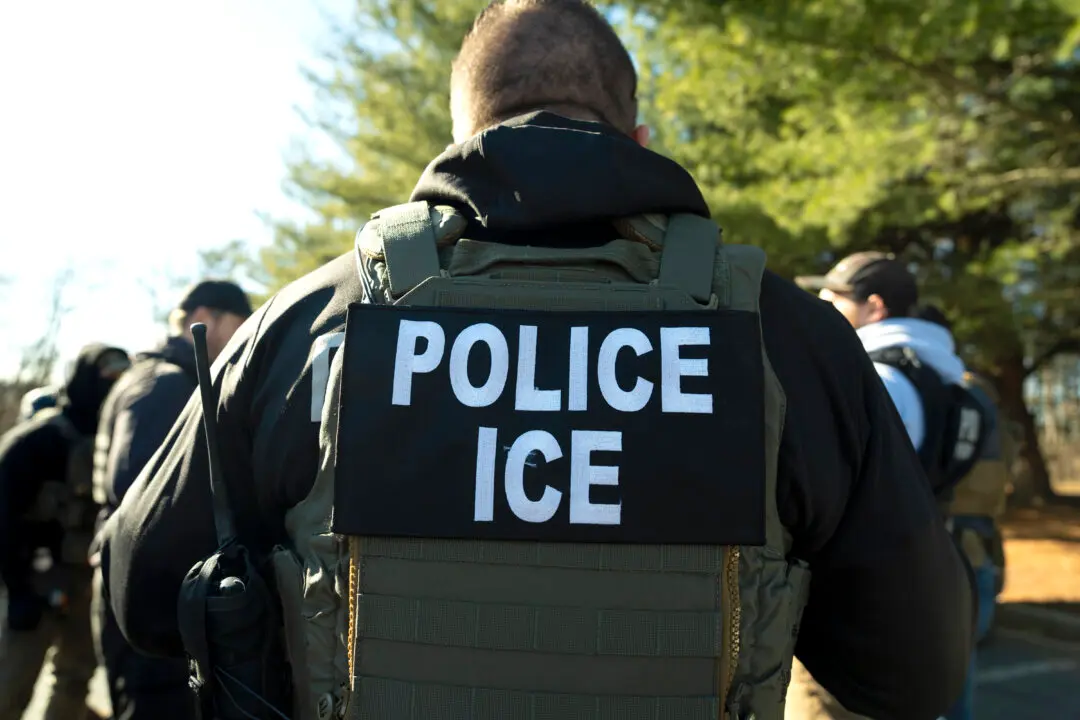
Federal authorities said the operation started July 12 and ended on July 20, resulting in the arrests of illegal immigrants who had warrants out for their arrest, including on charges such as murder, human trafficking, sexual assault, drug-related offenses, and other sex-related offenses.
Thirteen were charged with, or convicted of, assault, and another eight were charged with burglary, robbery, and motor vehicle theft, according to ICE.
Another 17 of those detained in the operation were charged with driving under the influence or related charges.
ICE said that 50 of the illegal immigrants were subject to removal orders, while some “are suspected or confirmed members of gangs and transnational criminal organizations or drug trafficking organizations.”
Those organizations, the agency said, include the foreign terrorist organizations Los Zetas cartel, Tren de Aragua, Sinaloa cartel, and other undisclosed organizations. The cartels and Tren de Aragua were declared foreign terrorist organizations by the Department of State earlier this year, following an executive order signed by President Donald Trump.
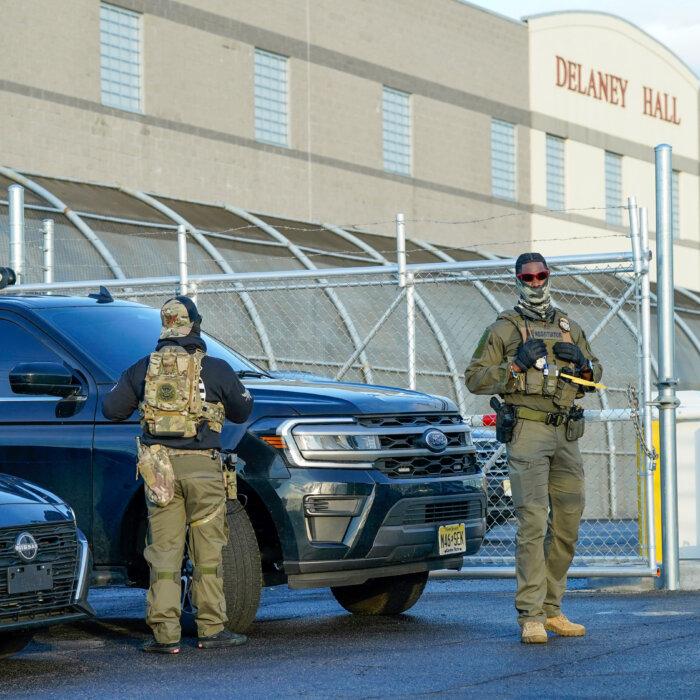
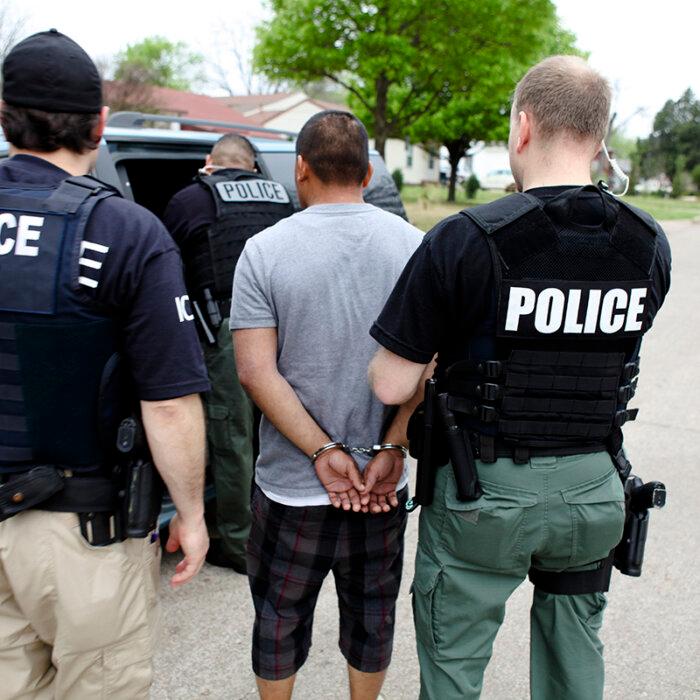
“Many of the criminal aliens ICE arrested during this operation had been previously released into the Denver metro area by local county jails—directly into the community—because of Colorado’s sanctuary laws that prevent Sheriffs from cooperating with ICE,” said ICE Field Office Director Robert Guadia in a statement on the operation.
The individuals arrested during the Denver operation originated from at least 17 countries, including Mexico, Venezuela, Honduras, Nicaragua, Colombia, El Salvador, Spain, Chile, Peru, Ecuador, Romania, Georgia, Ethiopia, Kyrgyzstan, Algeria, Jordan, and China, according to ICE.
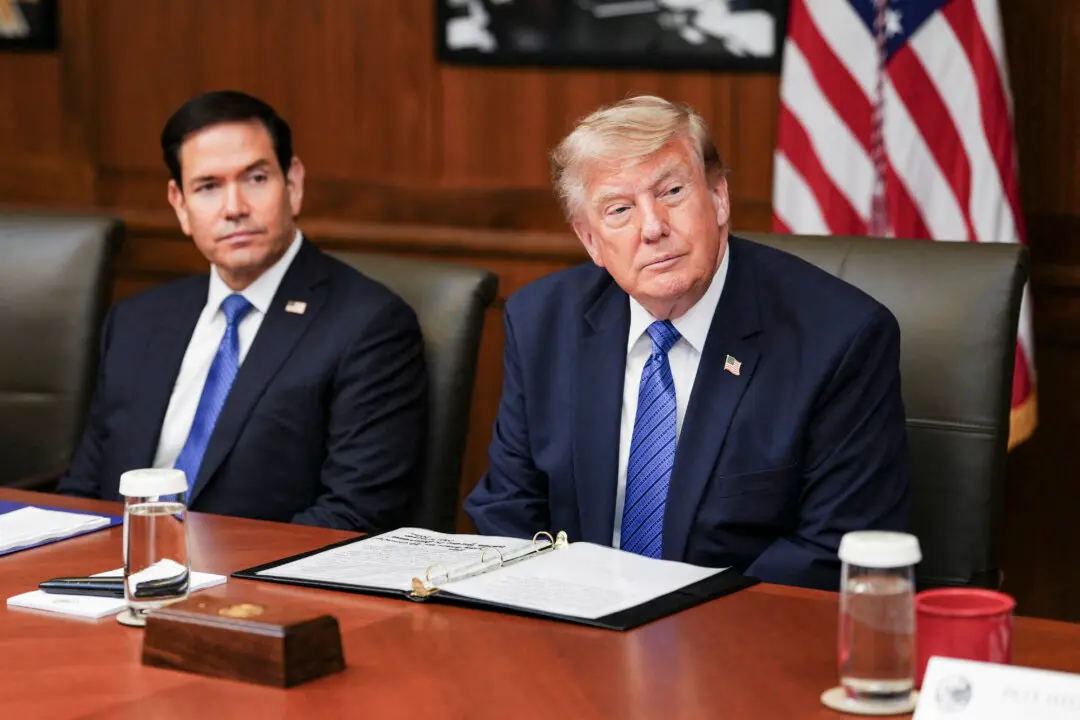
Since he took office in January, Trump has issued a swath of executive orders in a bid to bolster his immigration agenda, including to deport the most dangerous criminals in the largest deportation program in American history.
It includes orders barring birthright citizenship for children born to illegal immigrants in the United States, declaring a national emergency along the U.S.-Mexico border, the aforementioned terrorist designations, and allowing ICE agents to arrest people at more sensitive locations, among other directives.
In January, Trump signed the Laken Riley Act, named for the slain Georgia nursing student, which required detention for people in the country illegally who are arrested or charged with a number of crimes, including burglary, theft, and shoplifting, in addition to violent crimes.
In the Riley case, Jose Ibarra, an illegal immigrant, was found guilty of murder and other crimes in Riley’s February 2024 killing and was sentenced to life in prison without the possibility of parole. Ibarra is seeking a new trial.