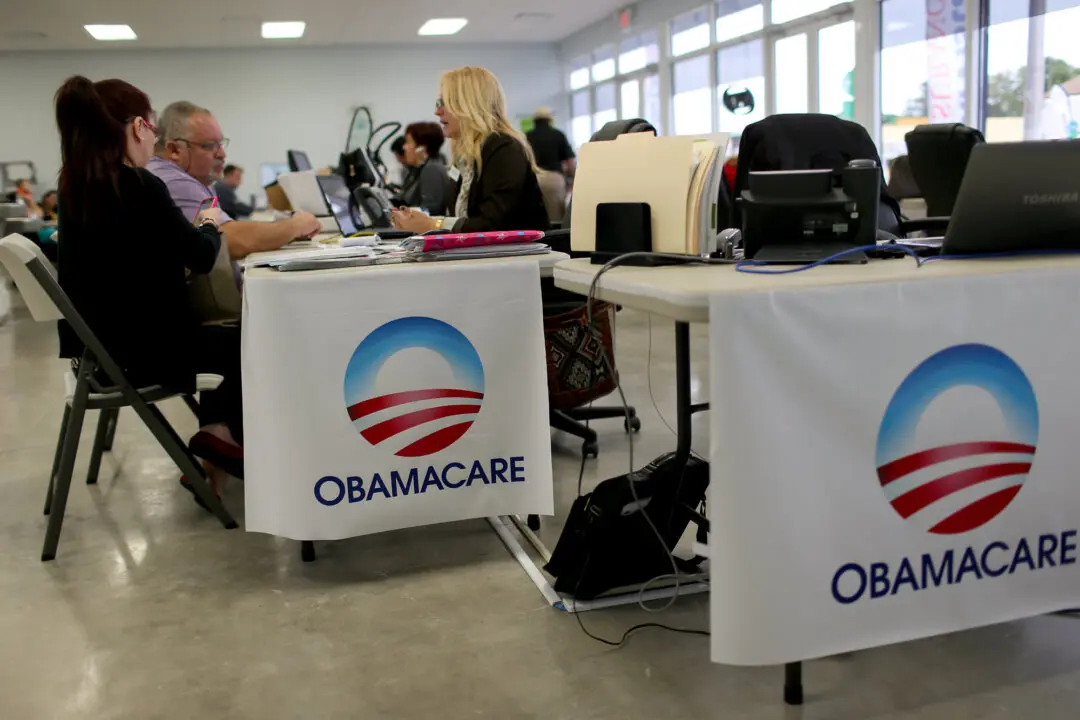
The House of Representatives will vote on the adoption of a three-year extension of Affordable Care Act enhanced subsidies after the measure cleared a procedural hurdle on Jan. 7.
The resolution regarding the act, commonly known as Obamacare, passed 221–205, with nine Republicans voting yes.
The enhanced subsidies, a temporary measure to provide economic relief during the COVID-19 health emergency, expired on Dec. 31, 2025.
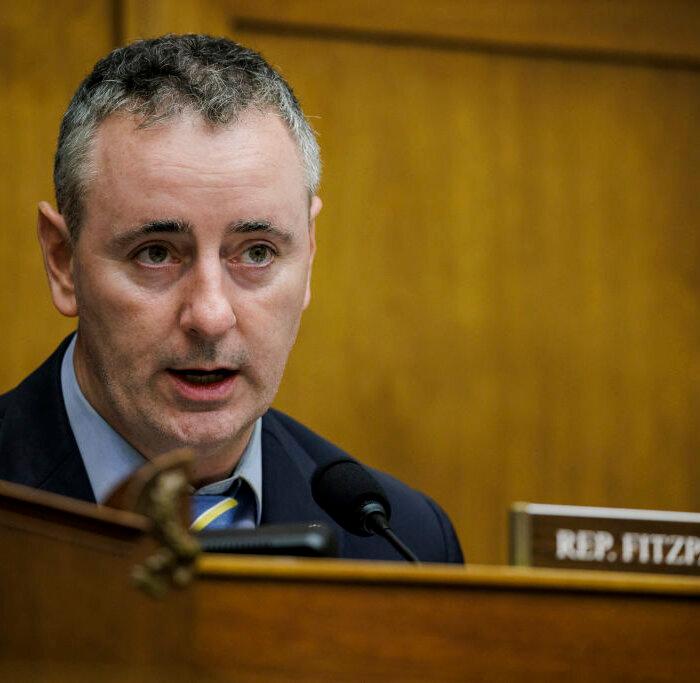
Reps. Brian Fitzpatrick (R-Pa.), Mike Lawler (R-N.Y.), Robert Bresnahan (R-Pa.), and Ryan Mackenzie (R-Pa.) signed a discharge petition on Dec. 17, 2025—a parliamentary maneuver to bring a bill to the floor.
They were joined by Reps. Thomas Kean Jr. (R-N.J.), Nick LaLota (R-N.Y.), Max Miller (R-Ohio), Maria Salazar (R-Fla.), and David Valadao (R-Calif.) in passing the motion to proceed with consideration of the bill.
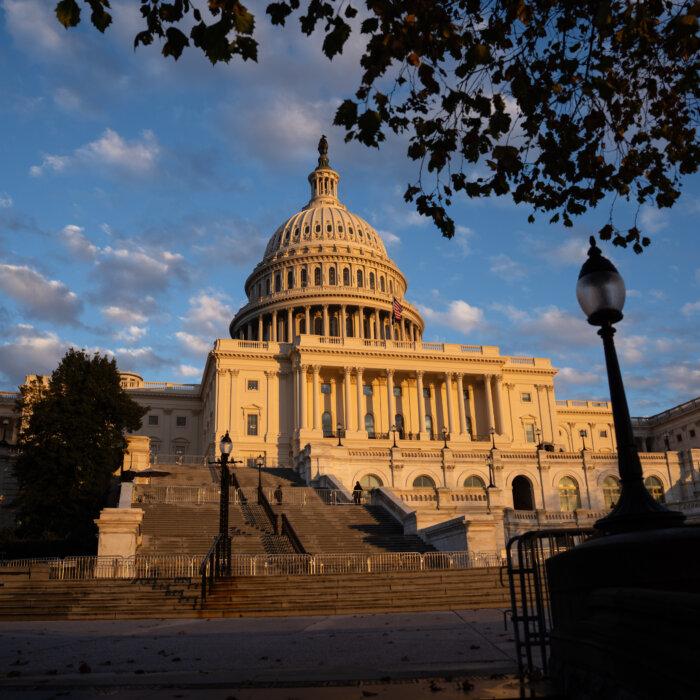
House Republican leaders had refused to allow a vote on the matter.
Lawler said the passage of a three-year extension, which most Republicans oppose, is necessary to provide the Senate with a bill they can alter in a bipartisan fashion.
“The Senate needs a vehicle, because this is a tax bill, and it has to originate in the House,” Lawler told reporters on Jan. 6.
The enhanced subsidies, which expired on Dec. 31, have been a major point of contention since early in the fall, when Democrats refused to authorize funding for the federal government until Republicans negotiated on the subsidies.
The standoff resulted in a shutdown of the federal government for 43 days.
Proponents of enhanced subsidies say rapidly rising health insurance premiums prove that middle- and lower-income Americans cannot afford health coverage without help from an employer or the federal government.
House Minority Leader Hakeem Jeffries (D-N.Y.) told reporters on Jan. 6 that passage of the three-year extension is necessary to shield millions of Americans from rising premiums and other out-of-pocket health expenses.
“In some cases, [that] could result in everyday Americans paying $1,000 or $2,000 more per month,” Jeffries said.
He said such a situation is unacceptable in a wealthy nation.
The House bill is expected to pass with some Republican votes.
It will face an uncertain outcome in the Senate, where it would require 60 votes to end debate and bring the matter to an up-or-down vote.
Majority Leader John Thune (R-S.D.) has been unwilling to consider a clean extension of the subsidies.
Yet Thune told reporters on Dec. 16 that he would consider working with Democrats on premium reductions under the right circumstances.
“Our views on health care and the Democrats’ views on health care are very different,” Thune said.
“But if they’re willing to accept changes that actually would put more power and control and resources in the hands of the American people, and less of that in the pockets of the insurance companies, I think there’s a path forward.”
A permanent extension of the subsidies would add $350 billion to the federal deficit from 2026 to 2035 and increase the number of people with health insurance by 3.8 million, according to the Congressional Budget Office.
The enhanced subsidies removed the income cap for eligibility for federal assistance in purchasing health coverage through the Obamacare Marketplaces.
The enhancements also lowered the maximum amount customers would be required to pay toward premiums, based on household income.
The average Obamacare premium for 2025 was $619 per month, of which federal subsidies covered more than $500.
More than 10 million enrollees, 46 percent of those receiving aid, paid $10 or less per month out of pocket for premiums.
About 8 million paid zero dollars.
Sen. Susan Collins (R-Maine) is part of a group working on health care legislation.
She offered few details to reporters on Jan. 6, but she did say the ideas under consideration included a two-year extension of the enhanced subsidies, accompanied by some program reforms in the first year and more substantial reforms in the second year.
Sen. Brian Schatz (D-Hawaii) said he doubted that the Senate could reach a bipartisan agreement on health care.
“I can’t even find seven or eight [Republicans] who are interested in the discussion, let alone 13 people who are going to vote ‘yes,’” Schatz told reporters on Jan. 6.
“My observation is they don’t have the votes.”
Lawler was more optimistic about reaching a bipartisan deal. Asked whether he believed a consensus on a short-term extension could be reached in the Senate, Lawler said simply, “Yes.”