With the adoption of a House resolution seeking to rescind the Biden administration’s termination of coal leases in Montana’s Powder River Basin, Rep. Harriet Hagemann (R-Wyo.) is calling for a similar measure to restore coal leases in the basin’s Wyoming span.
The resolution passed in a partisan 211-208 vote and now moves on to the Senate.

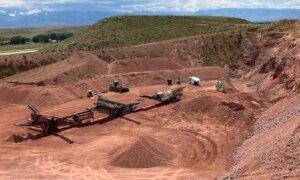
The Miles City and Buffalo resource management areas encompass the Power River Basin, the United States’ largest coal-producing region containing more than 30 percent of the nation’s coal reserves.
“These Biden-era plans lacked balanced resource management and, in fact, are mineral withdrawals in disguise, which runs contrary to federal law,” Hageman said. “They lock up America’s resources, kill jobs, and undermine energy security.”
HR 104 was adopted under the Congressional Review Act, which the longtime Wyoming water rights attorney said would make revisions and repeals of federal agency resource management plans less vulnerable to litigation.
“Wyoming knows this fight all too well, where the Buffalo [BLM] field office was hit with the same environmentalist-driven lawsuits and agency overreach with bureaucrats pushing no leasing alternatives that amount to nothing more than backdoor energy bans,” Hageman said.
Trump’s coal executive order designated coal as a “mineral,” directed agencies to identify coal resources on federal lands, and ended “the coal leasing moratorium” on federal lands imposed during President Joe Biden’s administration.
The company, owned and operated by the Navajo Nation in New Mexico, is seeking to lease 3,500 acres next to its existing Antelope Mine in northeast Wyoming’s Campbell and Converse counties, the third-largest open-pit coal mine in the United States that produced 15 million tons in 2024 and employs more than 350 workers.
The application seeks to access more than 300 million tons of in-place federal coal, although the bureau estimates the additional area could contain up to 50 percent more than the company’s projection.
The company is also seeking to expand its Spring Creek Mine in Montana with a proposed 150-acre modification containing an estimated 6.9 million tons of coal within its 1,262-acre lease-by-application containing approximately 170 million tons.
Wyoming has been the nation’s leading coal producer since 1986, providing about 40 percent of America’s coal with 15 active mines, including 10 in the Powder River Basin.
“There’s still demand for coal energy and the market will show that so long as the government doesn’t get in the way,” Downing said on the floor during the Sept. 3 debate on HR 104. ”We continue to innovate and make things cheaper, more competitive [with] different sources to compete.”