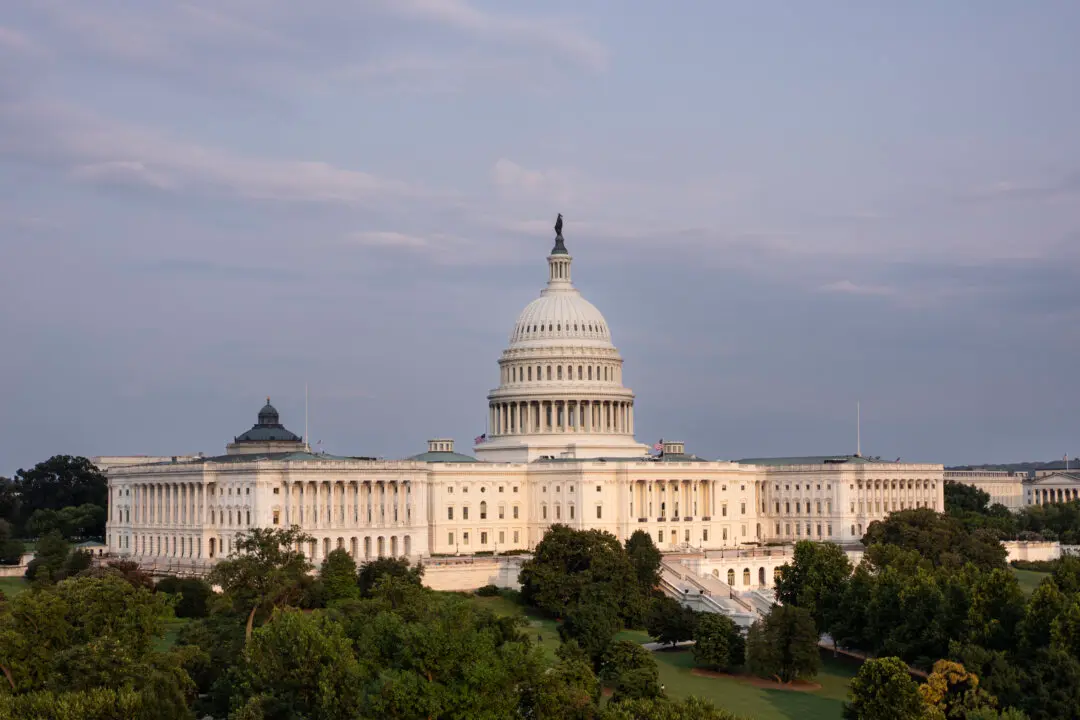
The House on Feb. 10 narrowly rejected a Republican-backed measure that would have barred challenges to President Donald Trump’s tariffs until July.
The ban, part of a broader procedural measure intended to open debate on three unrelated bills, failed in a 217–214 vote. House Republicans first adopted a rule barring tariff challenges in March 2025 and later extended it through January.
Three Republicans—Reps. Thomas Massie (R-Ky.), Kevin Kiley (R-Calif.), and Don Bacon (R-Neb.)—sided with all 214 Democrats against it.
The result presents a challenge for House Speaker Mike Johnson (R-La.), who cannot afford to lose more than one vote from his 218–214 Republican majority on any measure opposed by Democrats.
Democrats hope to force a House vote as early as Feb. 11 to terminate Trump’s use of a national emergency to put punitive trade measures on Canadian goods. They also have resolutions to overturn Trump’s tariffs on Mexico and other countries.
Bacon said in a post on X that Congress “needs to be able to debate on tariffs.”
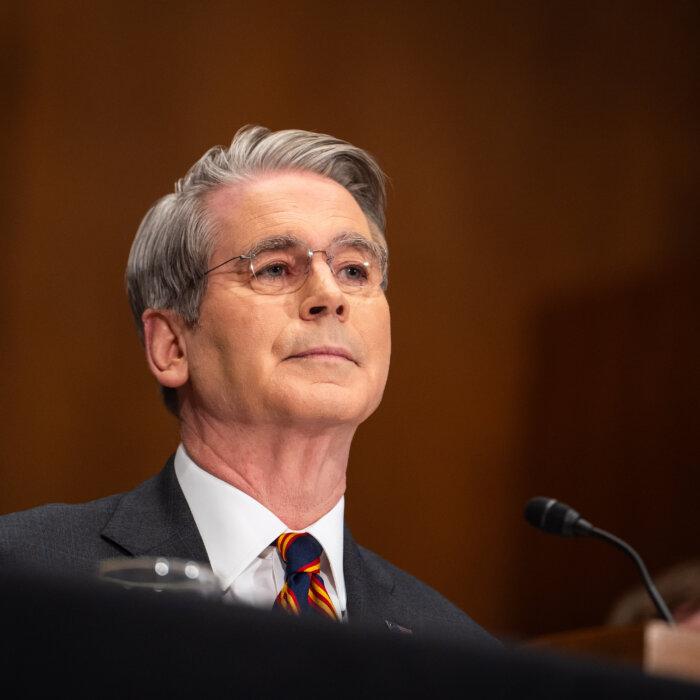

“Tariffs have been a ‘net negative’ for the economy and are a significant tax that American consumers, manufacturers, and farmers are paying,” he said.
Trump has also said that the tariffs could be used to send out $2,000 payments to middle- and low-income Americans and signaled that it could happen later in 2026.
He threatened 100 percent tariffs on all Canadian goods if Canada proceeds with trade agreements granting Chinese electric vehicles reduced duties, from 100 percent to 6.1 percent for the first 49,000 units, in exchange for Beijing’s easing levies on Canadian agriculture.
Trump’s other Cabinet members also criticized Canada for the move. U.S. Transportation Secretary Sean Duffy said that Canada “will live to regret the day [it] let the Chinese Communist Party flood the market with their EVs.”