The bill passed the Senate in November. With the passage in the House, the bill now heads to President Donald Trump’s desk for his signature.
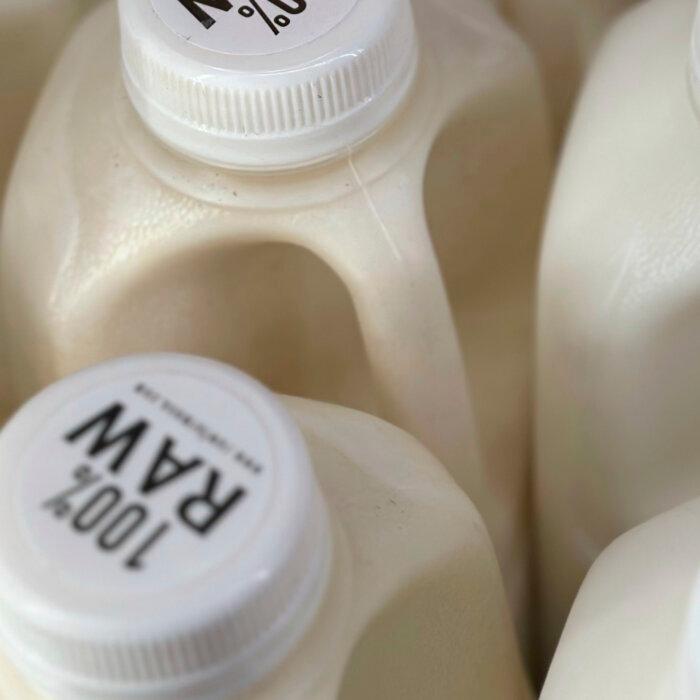

Under current rules, schools must provide students with disabilities a substitute for fluid milk when provided with a written statement from a licensed physician. According to the Whole Milk Act, a parent or legal guardian can write the request.
USDA regulations currently mandate that the average saturated fat content of school meals be less than 10 percent of the total calories.
The act excludes fluid milk from being taken into account in this calculation. Milk fat included in any fluid milk provided under the National School Lunch Program must not be considered saturated fat when measuring compliance with USDA rules, according to the bill.

Harmful or Beneficial?
The Whole Milk for Healthy Kids Act has faced criticism.The committee said the bill prioritizes the profits of the dairy industry. The nonprofit has about 17,000 members who are doctors.
Early signs of high cholesterol, heart disease, and other signals of cardiovascular disease are showing an increasing frequency among children, the group said, warning that adding full-fat whole dairy to school meals will only result in more health issues for American children.
“This bill might improve the dairy industry’s sales, but it’s doing so at the expense of children’s health,” Neal Barnard, president of the committee, said.
“Congress should be putting less saturated fat on school lunch trays, not more, and it can do that by making it easier for students to access nondairy beverages and plant-based entrees.”
According to the committee, whole milk does not provide any nutrients that cannot already be found in other food sources. For instance, protein can be sourced from drinks such as soy milk that do not have saturated fat. Similarly, calcium can be sourced from fortified orange juice, nuts, broccoli, and kale.
Since 2010, nutrition science evidence has evolved to no longer support a policy of allowing only fat-free and low-fat milk in schools, Ayoob said.
Ayoob said that nutrition is not a “static science,” but a dynamic one. As such, we should fine-tune recommendations as credible science keeps evolving, he said.

IDFA President Michael Dykes said whole milk provides 13 essential nutrients that contribute to children’s growth and development and ensure healthy immune function and overall wellness. He attributed health benefits such as less weight gain, lower childhood obesity, and a neutral or lower risk of heart disease to whole milk.
“[The bill’s passage] marks a defining victory for children’s health and for the dairy community that has fought for more than a decade to restore whole and 2 percent milk for our nation’s students,” he said.
“We ask for the President to sign the bill into law so the U.S. Department of Agriculture (USDA) can begin working with state governments and school districts across the country to make this law a reality. Our nation’s dairy farmers and processors are ready to work alongside USDA to restore whole milk to every American school.”