House Democratic leaders are forming a new commission to shape their approach to artificial intelligence (AI) and the broader innovation economy, saying Congress must both foster U.S. leadership in AI and guard against potential harms.
House Democratic Leader Hakeem Jeffries (D-N.Y.) announced on Dec. 9 the launch of the House Democratic Commission on AI and the Innovation Economy, which will convene throughout 2026. The commission will “develop policy expertise in partnership with the innovation community, relevant stakeholders, and committees of jurisdiction,” according to a release from his office.
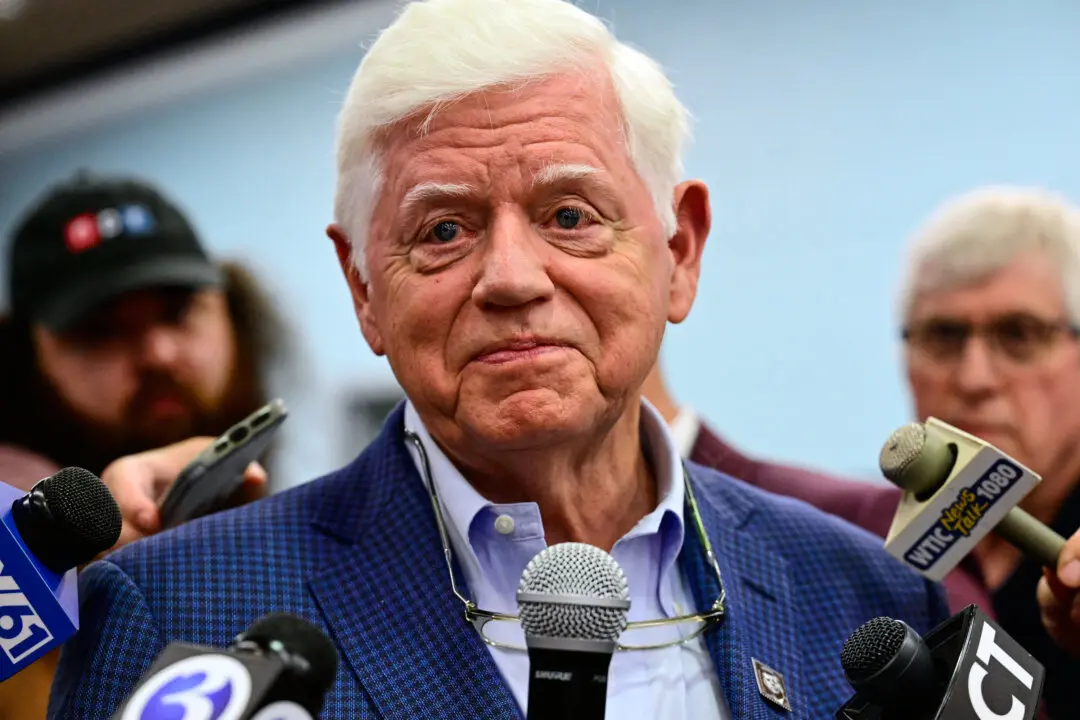
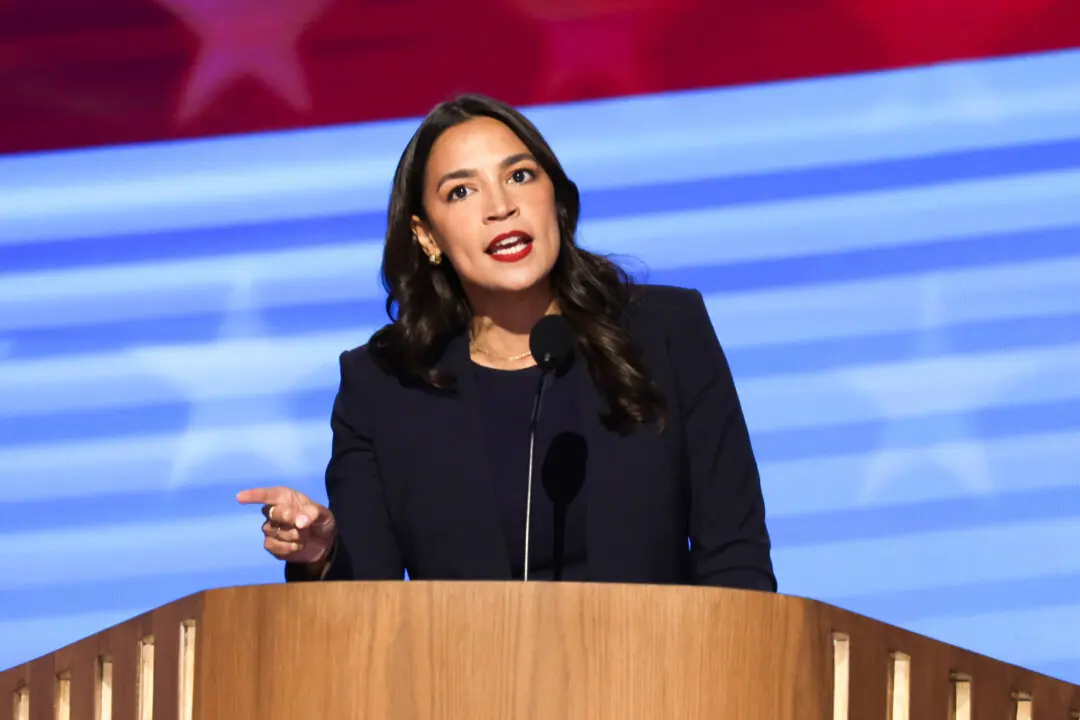
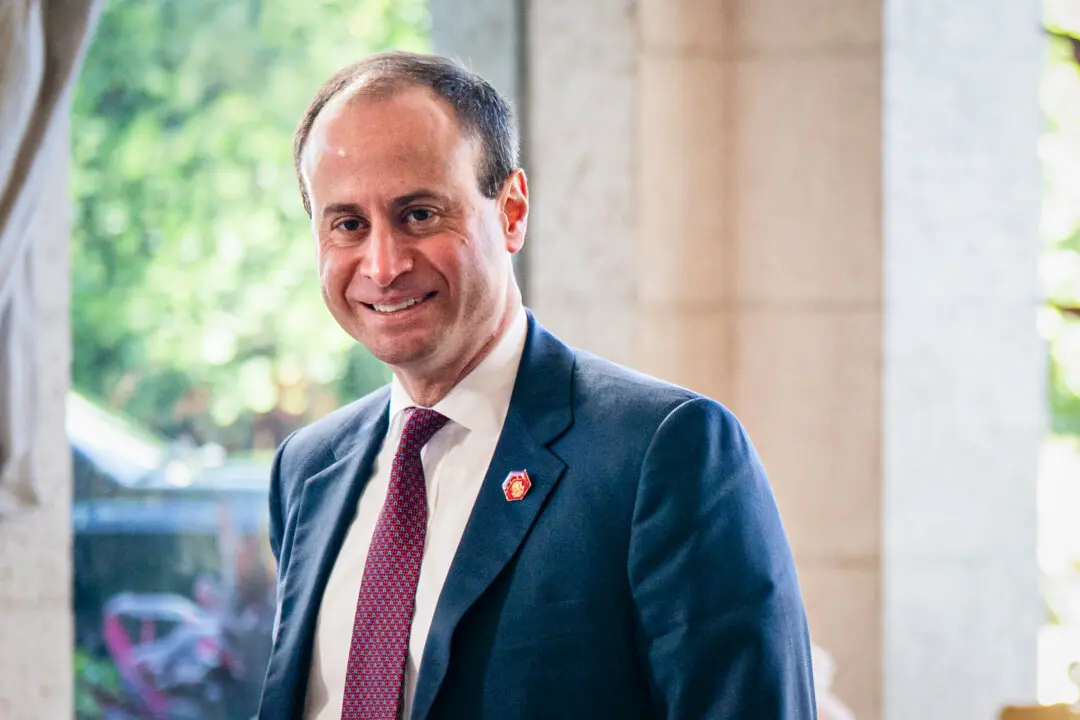
Caucus Vice Chair Ted Lieu (D-Calif.), and Reps. Josh Gottheimer (D-N.J.) and Valerie Foushee (D-N.C.) will serve as co-chairs. Reps. Zoe Lofgren (D-Calif.) and Frank Pallone Jr. (D-N.J.) will serve as ex officio co-chairs.
Jeffries said the commission is an effort to keep U.S. companies competitive while answering public concerns about the fast-changing technology.
“The brilliance and ingenuity of the innovation community has positioned America to lead the world in artificial intelligence and pioneer potentially life-changing breakthroughs in medicine and other fields of human endeavor that will benefit humanity. It is important that American companies continue to thrive in this area,” he said.


He added that policies are needed to prevent bad actors from exploiting the technology and harming Americans.
“House Democrats are ready, willing and able to lean into those issues so we can uplift the health, safety and economic well-being of the American people,” he said.
Lofgren said the commission is intended in part to keep Democratic members engaged with experts as AI tools and business models evolve.
“AI is a transformational technology,” Lofgren said. “It has the potential to make the lives of everyday Americans profoundly better. However, it also carries with it risks. Policymakers in Congress need to educate themselves about this game changing technology so that we can have informed debates about the issues that surround it.”
Pallone said he wants Democrats to draw on work in the states rather than pursuing broad restrictions on AI development.
Republicans have also taken part in the bipartisan work in the House and passed recent AI legislation. In 2024, House leaders from both parties created a 24-member Bipartisan Task Force on Artificial Intelligence, chaired by Rep. Jay Obernolte (R-Calif.) and co-chaired by Lieu.
RSC leaders said when launching the task force earlier this year that they would work with industry to identify challenges and advance legislation they argue will keep the United States a global leader in emerging tech while protecting national security and economic strength.