Gov. Kathy Hochul (D-N.Y.) is defending New York City’s congestion pricing program as a proven success, pledging to continue fighting efforts by the federal government to shut it down.
Hochul said in a statement over the July 4 weekend—marking six months since the toll took effect—that traffic is down, business is up, and critical investments are being made to improve transit.
“Six months in, it’s clear: congestion pricing has been a huge success, making life in New York better,” Hochul said in the statement. “We’ve also fended off five months of unlawful attempts from the federal government to unwind this successful program and will keep fighting—and winning—in the courts. The cameras are staying on.”
The toll, which began on Jan. 5, charges most vehicles $9 to enter Manhattan below 60th Street during peak hours. Officials said the policy is aimed at reducing gridlock and raising money for public transit improvements.
The Metropolitan Transportation Authority (MTA) is on track to collect $500 million this year, helping fund $15 billion in capital projects across the subway, bus, Long Island Rail Road, and Metro-North systems, according to the governor.
“Congestion relief is a massive success and validation of the initiative keeps pouring in,” MTA Chair and CEO Janno Lieber said in the statement. “The program is achieving all of its goals in terms of traffic reduction, increased travel speeds, safety, noise reduction and more. And not only is Congestion Relief delivering all the projected benefits – and more – it’s also proving that New York State government can effectively execute major, ambitious initiatives that improve the quality of life in ways New Yorkers notice and appreciate.”
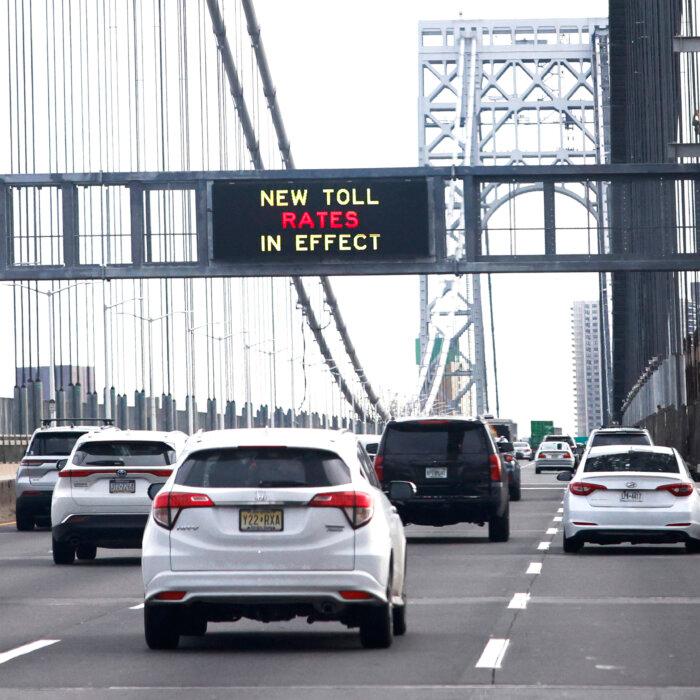
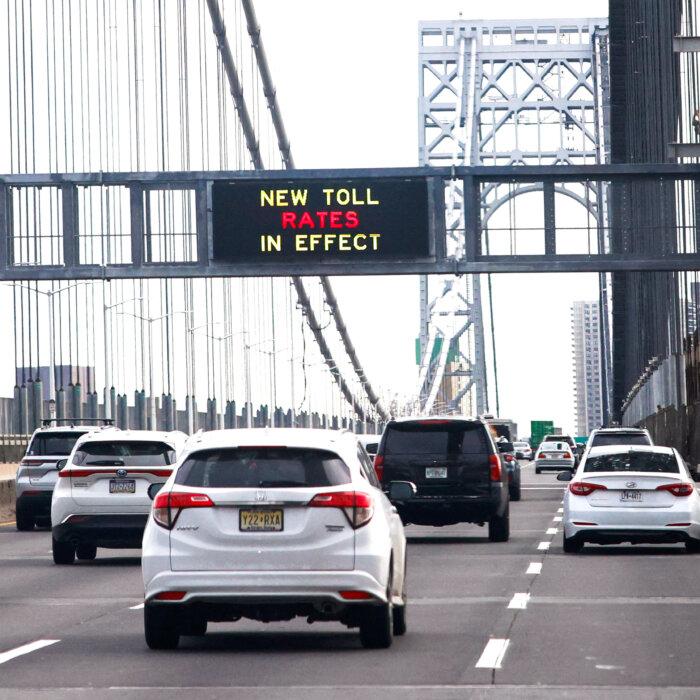
Officials state that traffic into the zone has dropped by 11 percent—about 67,000 fewer vehicles per day—from 2024. Citywide, congestion delays have decreased by up to 25 percent, and crash-related injuries within the toll zone are down by 15 percent. Honking and vehicle noise complaints fell by 45 percent in 2025, while air quality has either improved or remained steady, according to the governor’s office.
Transit ridership has also increased. Subway use rose by 7 percent in the first five months of 2025 from the same period last year. Bus ridership jumped by 12 percent, with increases also seen on commuter rail and paratransit services. On-time performance hit 85.2 percent in May for subways—the best rate outside of the COVID-19 pandemic—and exceeded 97 percent on the commuter lines.
Travel times fell by about 8 percent for inbound trips to the zone, translating to annual savings of more than 10 hours for some drivers, according to the National Bureau of Economic Research. The study also found a 2 percent to 3 percent drop in carbon emissions from vehicles in the area but found no measurable impact on fine particulate pollution (PM2.5)—a key health metric that state officials have highlighted in their defense of the program.
Katherine Hutt, a Brooklyn resident who commutes into Manhattan several days per week, told The Epoch Times that she’s noticed real-life improvements as a pedestrian.
“The most noticeable thing is safety: Fewer cars block the box, which makes it easier and safer for pedestrians to cross the street,” Hutt said. “There is much less honking (because cars can move) and less siren noise (because ambulances and police vehicles can get through and don’t have to lean on their sirens). It has made walking in Manhattan so much more pleasant.”
The program has faced legal threats from the federal government. President Donald Trump ordered the Department of Transportation to revoke federal approval of the toll earlier this year. Transportation Secretary Sean Duffy warned that federal funding for state road and transit projects would be withheld if the state did not comply.
“You’re taxing the average Joe out of driving the streets of New York,” he said. “And the streets aren’t just made for the rich—they’re made for everybody.”
He said that “no doubt it’s working—you can tax people out of their cars.” But he said the real issue is affordability, not effectiveness.
Duffy also criticized how the toll revenue is being used.
“They’re taking this money, they’re not putting the money back in the roads, they’re putting it into the MTA, which is the subway system in New York, which is dirty and violent and crime-ridden,” he said.
Officials say congestion pricing revenue is already helping fund major upgrades, including 435 new subway cars, 44 new dual-mode locomotives for the Long Island Rail Road, accessibility improvements at 23 stations, and the next phase of the Second Avenue Subway.
The Department of Transportation did not respond to a request for comment from The Epoch Times by publication time.