
Democrats and Republicans are currently in a redistricting battle, carving up Congressional maps in states across the country in a bid to ensure their party gains an advantage in the midterms and beyond.
A handful of states have passed new Congressional maps, some of which have faced legal challenges. Other states are considering redistricting.
Texas
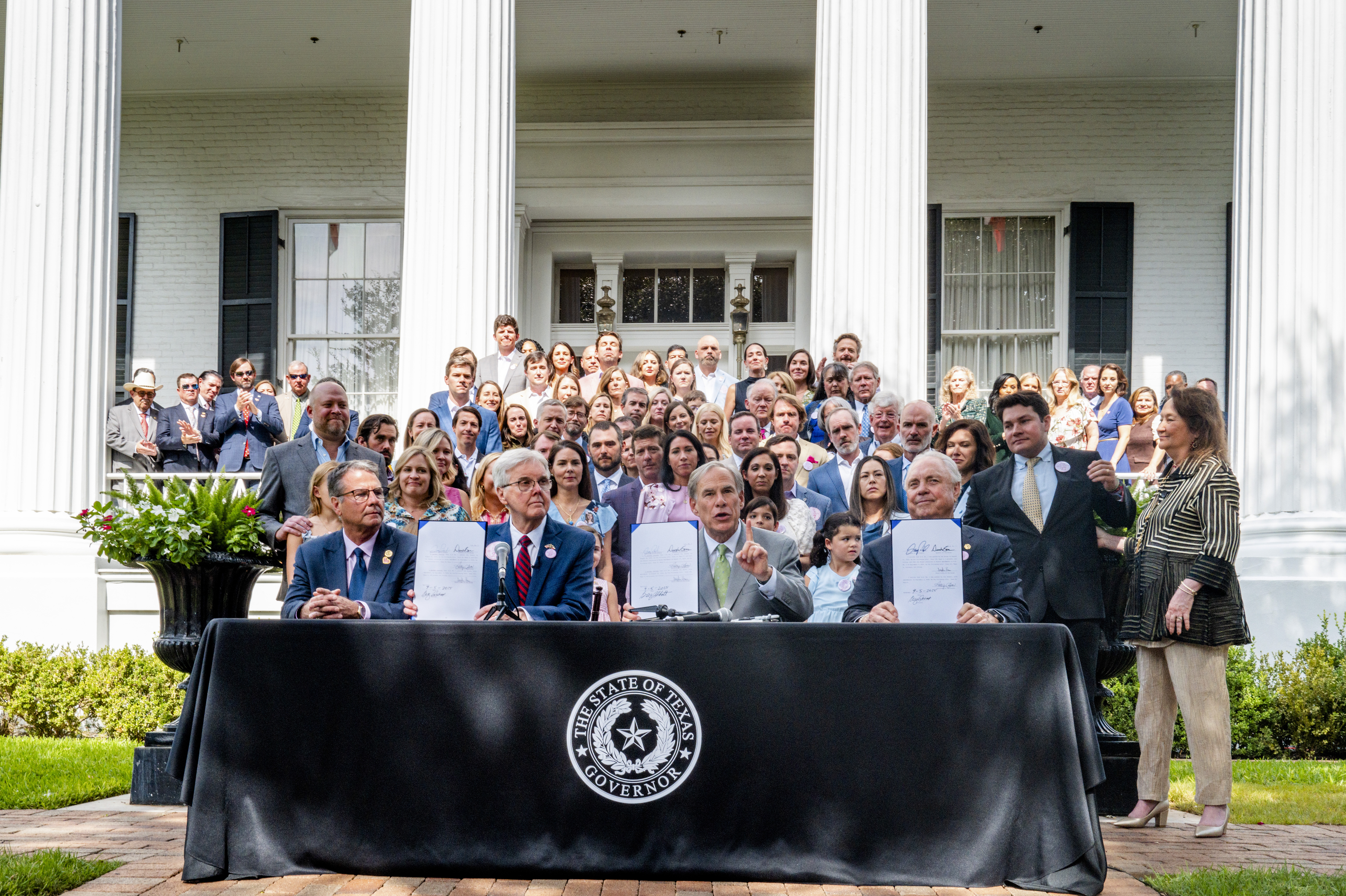
The redistricting battles of 2025 were inaugurated in the overwhelmingly Republican-led Lone Star State. On Aug. 29, Gov. Greg Abbott signed into law a bill that would redistrict the state’s congressional seats before the decennial census in 2030, which is when they are usually done. The bill changed the boundaries of congressional districts 9, 18, 22, 29, 27, 30, 32, 33, and 35.With the new map, Republicans are hoping to flip five seats in the 2026 midterm elections, particularly those in the state’s Democratic oases, such as the Houston and Dallas metropolitan areas.
California
In response to Texas’s actions, the Democratic-led California—the only other state larger than Texas—proposed a ballot initiative, Proposition 50, that would redistrict the state in favor of the Democratic Party. The proposition was approved by voters in California on Nov. 4 during this year’s general elections, with 64 percent of voters in favor.Former President Barack Obama and Gov. Gavin Newsom, both Democrats, were vocal proponents of the bill, which they presented as a direct response to Texas’s actions.

Indiana
The Hoosier State has been the lone GOP-led state to offer some resistance to President Donald Trump’s pursuit of redistricting in states ahead of the 2026 elections. Trump, on Truth Social, has been openly urging state legislators to pass a bill that his allies there have proposed.Virginia
In Virginia, a proposal is currently underway to redistrict the state’s congressional boundaries. Virginia’s constitution has a complicated procedure for such bills, where it must be passed by both houses of the legislature before a statewide legislative election, after which it needs to be passed again. The proposal has already been passed once, and is set to be taken up by the newly composed Virginia General Assembly elected during Nov. 4’s elections.North Carolina
The State of North Carolina has been a perennial site of redistricting contests, given its competitiveness in both congressional and presidential elections. The state legislature, which has a Republican supermajority, has repeatedly passed bills and constitutional amendments to redistrict the state in favor of Republicans and weaken the power of their Democratic governors, Roy Cooper and Josh Stein, to do anything about it.Additionally, when the North Carolina Supreme Court, which is popularly elected, has been dominated by either Republicans or Democrats, allies of the party in the majority on the court have sued and, thus, received favorable rulings to change districts.
Ohio
The Buckeye State has been an outlier in redistricting battles, insofar as Democrats and Republicans there have struck a deal to redistrict some seats and preserve others. The deal, reached on Oct. 31, was made by the state’s redistricting commission and allows two districts, the 1st and 9th districts, to become more Republican.The 13th district, by contrast, has become more Democratic. U.S. Rep. Shontel Brown (D-Ohio), the only other Democratic member of Congress from the state, representing the 11th district, was spared from any changes.
Florida
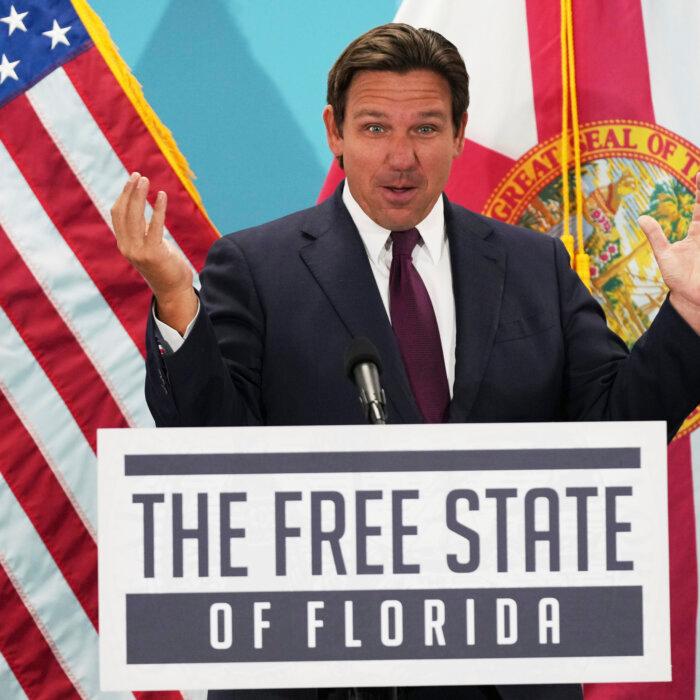
No bill has been drafted or introduced yet in Florida’s legislature, where Republicans have a majority in both houses. There are currently eight Democrats in Florida’s 28-member House delegation.Maryland
Maryland Gov. Wes Moore, a Democrat, is one of several Democratic governors who have vowed to redistrict his state in response to Republican efforts elsewhere. However, he is facing opposition within his party. The president of the Maryland Senate, Sen. Bill Ferguson (D-Baltimore City), has written in opposition to the idea.New York
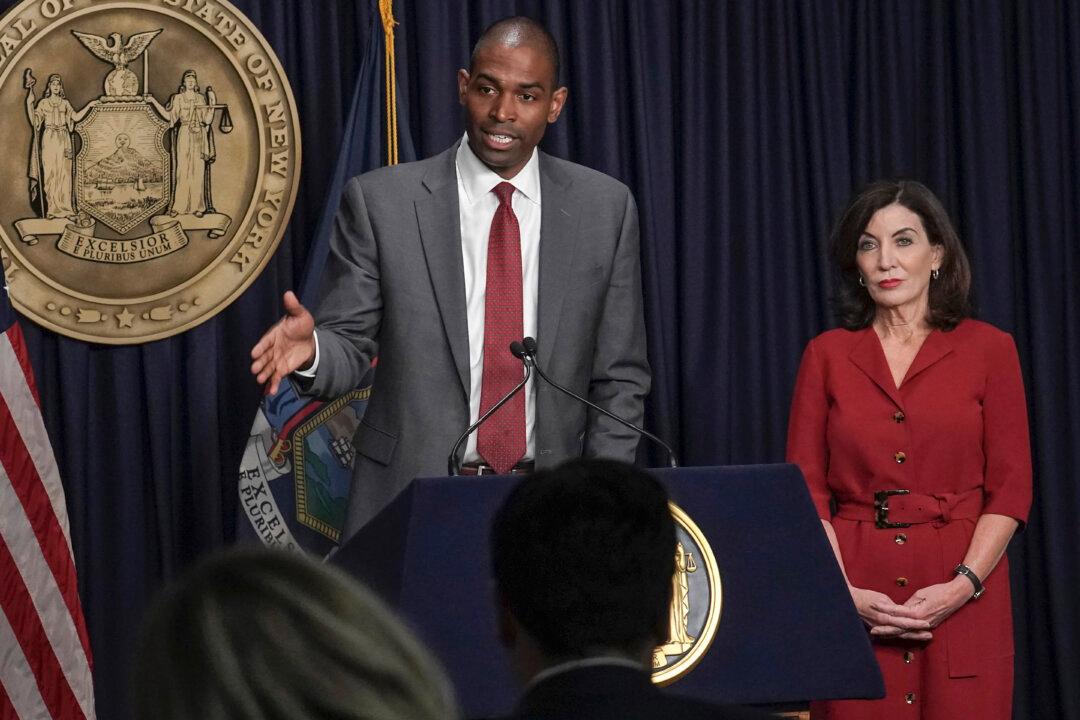
In New York, it is a judicial proceeding, and not a purely political measure, that has impelled redistricting. In October, four voters filed a legal challenge in state court to New York’s congressional delimitation, arguing that the 11th District, represented by Rep. Nicole Malliotakis (R) and covering the Borough of Staten Island in the City of New York, is racially gerrymandered. The lawsuit was filed by the Elias Law Group, run by Marc Elias, who has been the Democratic Party’s go-to attorney for election litigation for years and was general counsel to Hillary Clinton’s 2016 presidential campaign.The New York state legislature does not play an active role in redistricting, which is done by an independent commission. However, if the state court rules in the plaintiffs’ favor, new maps may be instantiated either through the commission or by judicial decree.