Secretary of War Pete Hegseth announced on May 11 that he had directed the Pentagon’s general counsel to convene a special review panel to carry out a department-wide review of the military legal system.
Hegseth said in a video message posted to social media that the panel will review “every aspect of the military legal system” affecting servicemembers, evaluate every military service program, and benchmark them against the Department of Justice and the best state criminal justice systems.
“This panel will enhance trust, strengthen our force, drive real reform, and help ensure our warfighters receive the world-class military legal system they deserve,” he wrote on X.
Hegseth said the military legal system review will result in recommendations to “cut bureaucracy, strengthen training and culture, and make [the military’s] legal professionals far more effective.”
“Our commanders and our warriors need and deserve a world-class military legal system that sharpens their combat effectiveness,“ he said. ”We must deliver reliable advice, better investigations, fair military justice, and better support across the board so that commanders can lead decisively and our warriors can fight with confidence.”
According to the Pentagon chief, the review is aimed at strengthening and modernizing the legal system to ensure that the Judge Advocate General’s Corps can better support servicemembers and uphold the rule of law.

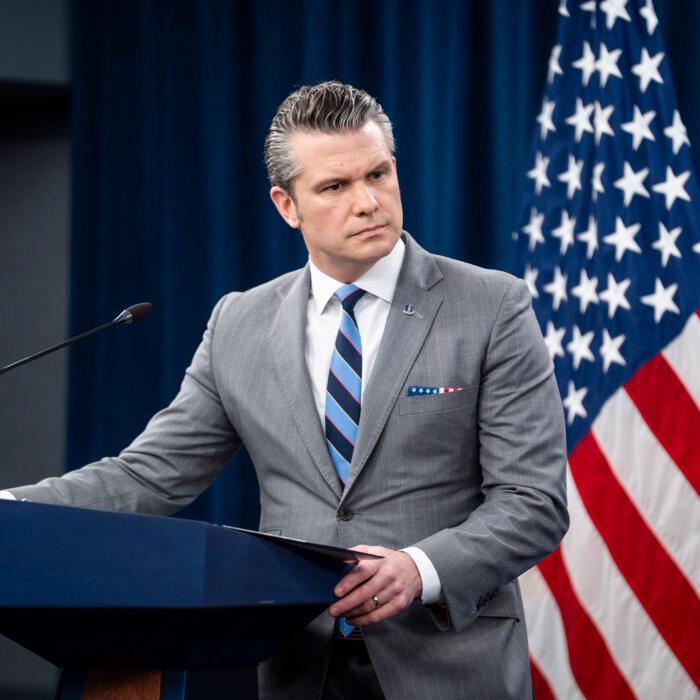
In a March 12 video, Hegseth instructed the service secretaries of the Army, Navy, and Air Force through their general counsels, their judge advocate generals, and the staff judge advocate to the commandant to execute “a ruthless, no-excuses review” of the military’s legal offices.
Hegseth said it was needed to cut duplication and bureaucracy, clarify roles, and eliminate “moral ambiguity” within legal offices, noting that military lawyers are sometimes stuck handling civilian side work.
“One area still needs a hard reset, and that’s how we do legal support in this department,” the Pentagon chief said in the video posted on X.
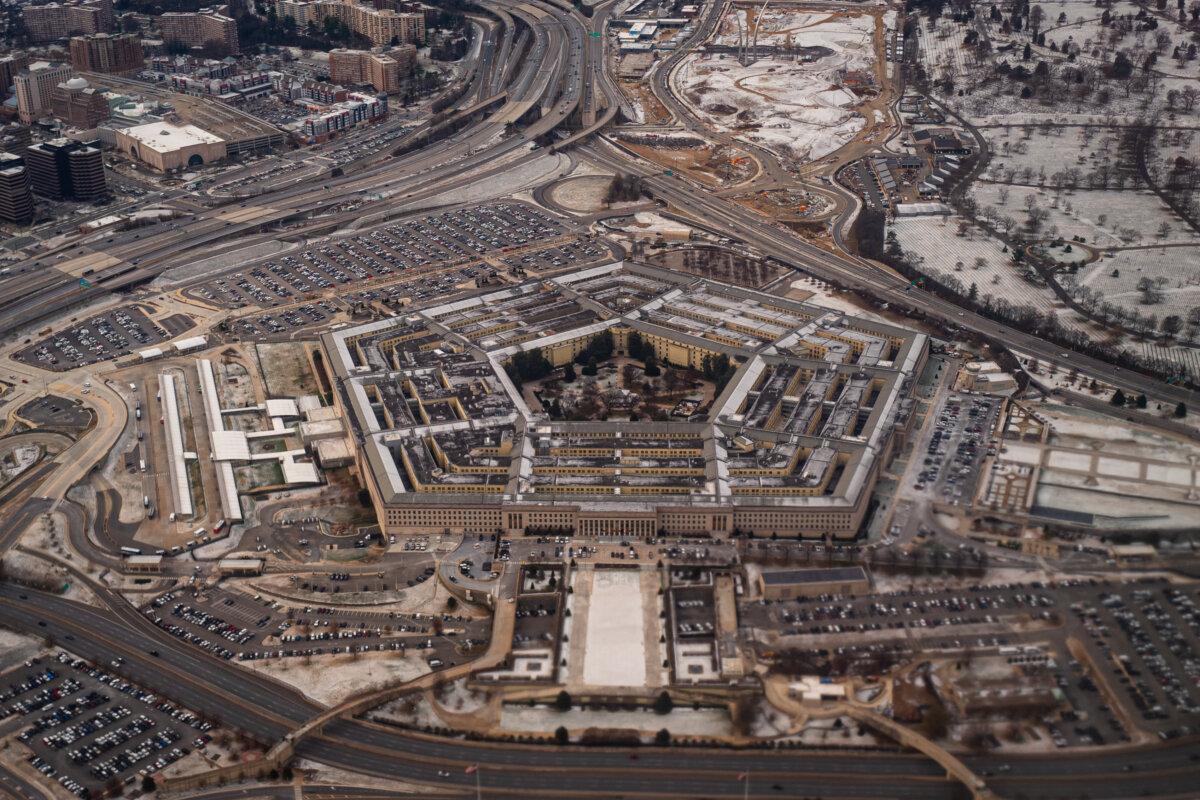
Hegseth said at the time that military lawyers should focus on warfighting, military justice, operational law, the law of armed conflict, deployed contracting, intelligence law, cyberspace, and “everything that sharpens the edge in large-scale combat.”
He also said that “non-operational stuff,” including acquisitions, civilian personnel matters, intellectual property, real estate, and litigation outside of military channels, should instead be handled by civilian general counsels.
“In a great power competition, or with any threat that we face, commanders need agile, independent, dead-on legal advice that enables decisive action, not endless process or turf wars,” Hegseth said.