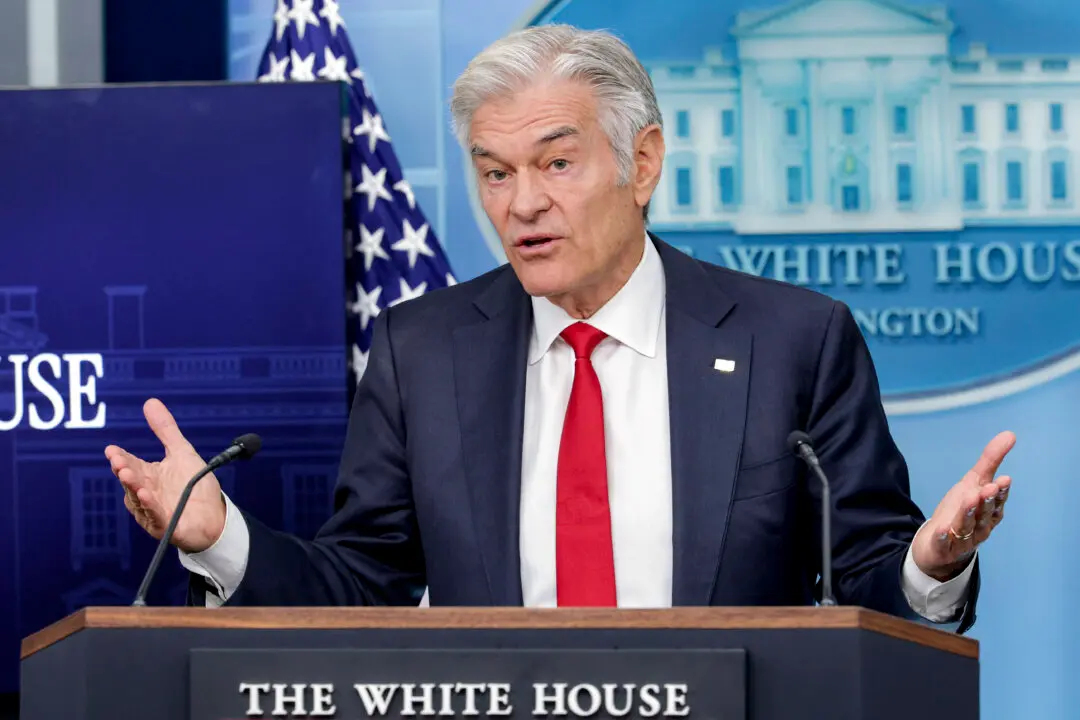
Health care has become a sticking point in congressional negotiations over a stopgap spending bill to avoid a shutdown of the federal government on Oct. 1.
What Democrats Want
Democratic leaders have said they will not support a continuing funding resolution unless it includes provisions to strengthen U.S. health care.Republicans say the cuts are largely aimed at eliminating fraud, waste, and abuse, and transferring some Medicaid costs from the federal government to the states.
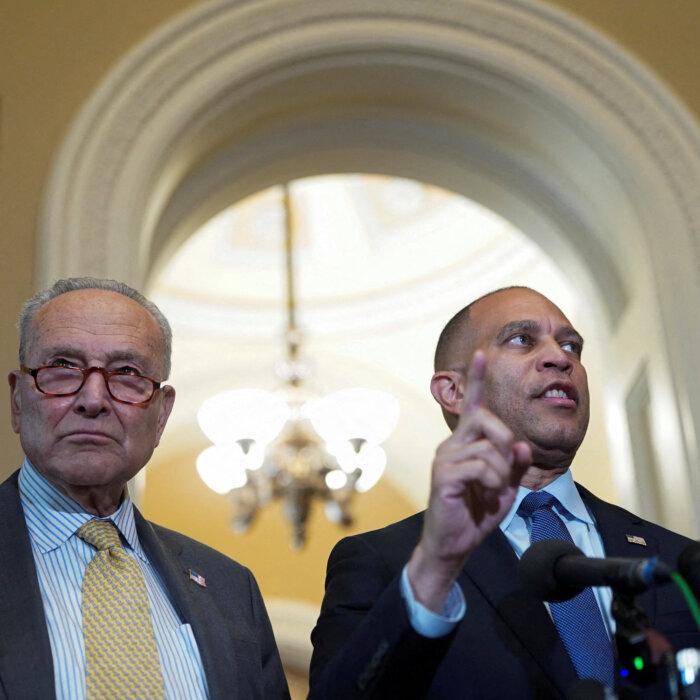

“Democrats do not support the partisan Republican spending bill because it continues to gut the health care of the American people,” House Minority Leader Hakeem Jeffries (D-N.Y.) told reporters on Sept. 24.
Jefferies said potential impacts of the Big Bill include higher insurance premiums, loss of health coverage by up to 10 million Americans, reduced spending on medical research, and financial hardship for rural hospitals.
The Core Issue: Obamacare Expanded Tax Credits
Democrats have mentioned one issue prominently in the continuing resolution talks, which is an extension of the enhanced premium tax credits for the Affordable Care Act Marketplace—also called Obamacare—that were passed in 2021 as part of the American Rescue Plan.Obamacare was designed to make health insurance more affordable by offering tax credits for low-income people to help with the cost of premiums.
The original premium tax credit applies to people whose income is between 100 and 400 percent of the federal poverty level. The federal poverty level for the continental United States is $15,650 in annual income for one person. The level is adjusted annually and increases based on household size.
In 2021, the American Rescue Plan created a second type of credit called the “enhanced” premium tax credit. The enhanced credit reduced the maximum amount enrollees would pay for premiums, and it opened Obamacare to people whose income is above 400 percent of the federal poverty level if their premium payment would be greater than 8.5 percent of their income.
A sharp increase in Obamacare enrollment followed, rising from 11 million in 2020 to 24 million by 2025.
This enhanced premium tax credit was intended to be temporary but was extended through 2025 by the Inflation Reduction Act.
Banking on Popularity
Medicaid, Medicare, and Obamacare programs are “deeply popular” with the American people, Jeffries told reporters on Sept. 25, adding, “These are the things that we are fighting hard to protect, to fix our broken health care system.”Aaron Dusso, chair of political science at Indiana University Indianapolis, said Democrats are banking on the popularity of health care issues to reach voters.
“Surveys tend to show that [voters] trust Democrats more than they trust Republicans on health care,” Dusso told The Epoch Times. “So it’s one of their bread and butter issues.”
Dusso said extending the enhanced tax credits could be the key to resolving the standoff, given that it already has bipartisan support.
“If a sincere offer is made to extend those tax credits for another year or more. I think that the Democrats would ultimately accept that,” Dusso said.
Any offer from Republicans would have to be “ironclad,” Jeffries said on Sept. 24, meaning written into the language of the continuing resolution.
Any agreement will likely involve the approval of Trump.
Jeffries said on Sept. 25 that he is willing to negotiate.
“I’m here in the Capitol, willing to go to the White House at any time or to have that conversation,” Jeffries said. “I also know that at the end of the day, Donald Trump is the decision maker.”
Without an agreement, spending authority will expire after Sept. 30, forcing the government to suspend all but essential functions.